
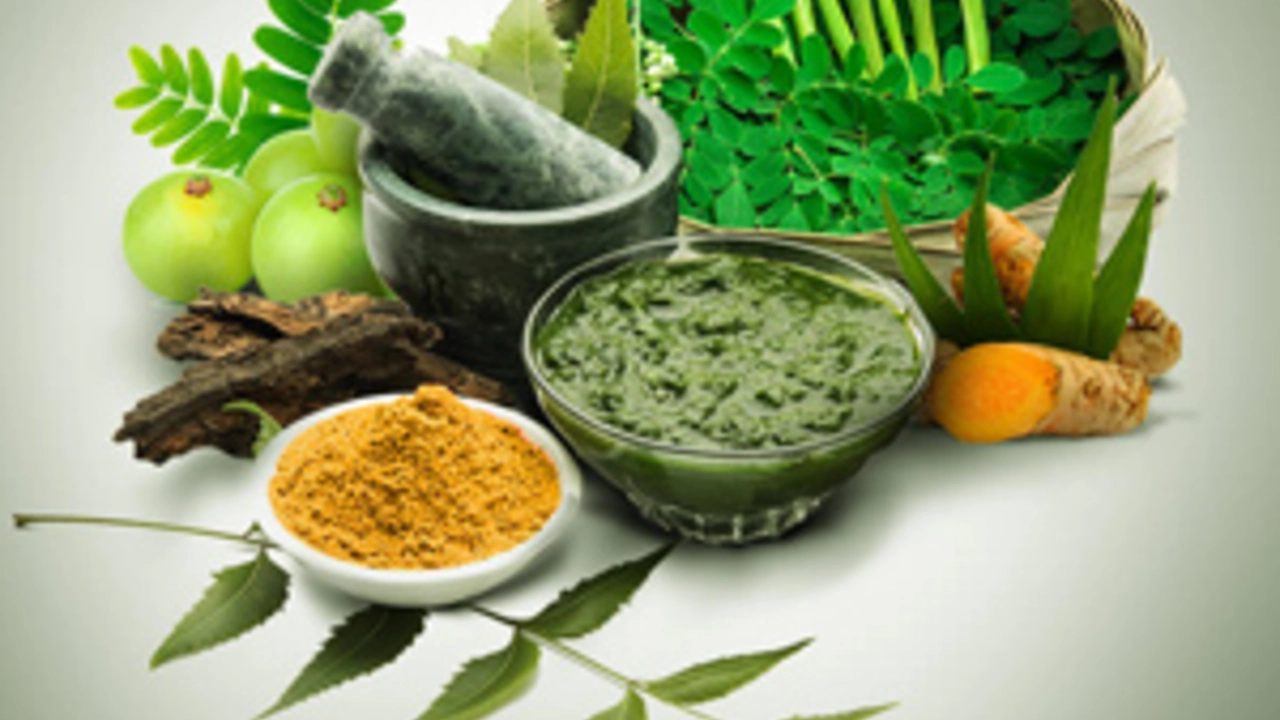
Exploring the World of Fungi and Beyond
Ever caught yourself thinking about how strange it is that we resort to using drugs derived from fungi and other tiny organisms to treat some of our health issues? As a mother of a highly energetic boy, Lachlan, I sometimes find myself in a position where I need to deviate from the path of conventional medicines and examine natural alternatives. That's how I stumbled upon butenafine, an antifungal cream typically prescribed for athlete’s foot and other types of fungal skin infections. But are there natural alternatives and do they really work? Let's delve deep into this intriguing world of fungi fighters.
Tea Tree Oil: The Australian Wonder
One day, when the lovely Irish weather had managed to give Lachlan a really stubborn foot fungus, our family doctor suggested a cream containing butenafine. While it worked, I couldn’t help but wonder if there were gentler, more natural alternatives out there. That curiosity led me to tea tree oil. Known as Melaleuca alternifolia, this potent essential oil has been a trusted remedy within Australian aboriginal communities for centuries. With powerful antifungal properties comparable to butenafine, studies have shown that a 25-50% concentration of tea tree oil is effective in treating athlete's foot while causing lesser skin irritation. Mind you, tea tree oil should always be used with caution as some people may be allergic to it. Always test a little on your inner elbow before enthusiastically splashing it all over!
Welcome, Coconut Oil: The Fungal Nemesis from the Tropics
Here’s another gem from Mother Nature - coconut oil. Now, don’t get me started on coconut oil because my obsession with this wonder oil is quite literally slipping through my fingers! Coconut oil, or Cocos nucifera if we're getting scientific, has medium-chain fatty acids like lauric acid that can help to crack the cell membranes of the nasty fungi. While it may not be as swift and powerful as butenafine, it makes up for it with its skin nurturing properties and soothing effect. It’s also cheaper and smells like a tropical paradise. My only cautionary tale here is that using too much may leave you feeling like a greased piglet, though I hear that's great for summer sunbathing... or winter ice skating if you're daring enough!
The Miraculous Powers of Garlic
No, I'm not advocating for keeping vampires at bay, although with Halloween around the corner that wouldn't be a bad idea! Regular old garlic has long been known for its antifungal properties. The star compound here is ajoene, which has been proven in laboratory studies to inhibit the growth of various fungal strains. While applying garlic paste might not be as easy or smell-free as slathering on some butenafine cream, it’s an easily accessible and cost-effective natural fungicide. I remember there was this one time when I tried a garlic foot soak on Lachlan; let's just say that foot odor changed its constitution that day!
When Nature and Modern Medicines Intersect
While discussing natural remedies, it's also important to highlight their potential interactions with modern medicines. Remember that tea tree oil I mentioned earlier? When paired with certain medications, it can increase the risk of hormone imbalances and can also slow wound healing. Or that delightfully aromatic garlic? It can increase bleeding risks when taken with blood-thinning drugs. Remember, many natural remedies have not undergone rigorous scientific testing, and using them as an alternative can be akin to stepping into somewhat uncharted waters. My recommendation: always consult with a healthcare professional before experimenting. I have a lovely lady who puts up with all my questions and curiosities, bless her.
There you have it, folks, a journey through the alternatives to butenafine. Now, do they work? Well, the quick answer is yes... with a big 'but'. They may not work as effectively and rapidly as butenafine, but if you're open-minded and patient, you might be pleasantly surprised. I’ve noticed this journey is very much like trying to get a healthy dinner into Lachlan - it takes patience, a bit of creativity, and occasionally holding your nose! So, whether you're embarking on a path through the forest of fungi or just dealing with some pesky athlete’s foot, remember our little chat about these natural friends. Trust me; your feet (and wallet) may thank you one day!
megha rathore
Tea tree oil saved my life after my kid got ringworm 😌 I used 70% diluted in coconut oil-no more itching, no more shame. Butenafine? Nah, too chemical. My skin cried when I used it. 🙏
prem sonkar
coconot oil is the real MVP fr. i put it on my toes before bed and wake up like a new man. garlic? too stinky even for my dog. but tea tree? yeah that shit works like magic. 10/10 would smell like a forest again.
Michal Clouser
I appreciate the thoughtful exploration of natural antifungal alternatives. While anecdotal evidence is compelling, it is critical to acknowledge that peer-reviewed clinical trials remain limited for many of these substances. The pharmacokinetics of topical lauric acid, for instance, have not been fully characterized in human dermal applications. I urge readers to consult with licensed dermatologists before substituting FDA-approved therapeutics with unregulated botanicals. Safety first.
Earle Grimes61
Let’s be real-tea tree oil is just Big Pharma’s Trojan horse. They let you use it so you think you’re ‘natural,’ but then you’re hooked on essential oils while they patent the next synthetic derivative. Garlic? They’ve been suppressing the ajoene studies since the 80s. The FDA doesn’t want you curing fungus without a prescription. Look up the 1997 WHO report on botanical suppression. They’re scared of plant-based efficacy. I’ve seen the redacted files.
Corine Wood
There’s something deeply humane about turning to nature before reaching for the pharmacy. I’ve used coconut oil for years on dry, cracked heels-it’s not a miracle, but it’s gentle. And patience… oh, patience is the real cure. Fungal infections don’t vanish overnight, and neither do trust, healing, or self-care. I’m glad you shared this. It reminds us that health isn’t just about speed-it’s about sustainability.
BERNARD MOHR
You know what’s wild? Tea tree oil, garlic, coconut oil-they’re all ancient remedies. But here’s the thing: the universe is trying to tell us something. These plants? They’ve been evolving alongside fungi for millions of years. We just forgot how to listen. Modern medicine is like trying to fix a symphony with a hammer. 🌿✨ I’ve been using a mix of all three for two years now. No recurrence. Coincidence? Or cosmic alignment? I’ll let you decide.
Jake TSIS
This is why America’s falling apart. You let some hippie mom replace science with coconut oil and next thing you know, kids are walking around with fungal foot rot because mom ‘trusted nature.’ Butenafine works. It’s tested. It’s clean. Stop playing with your feet like they’re yoga mats.