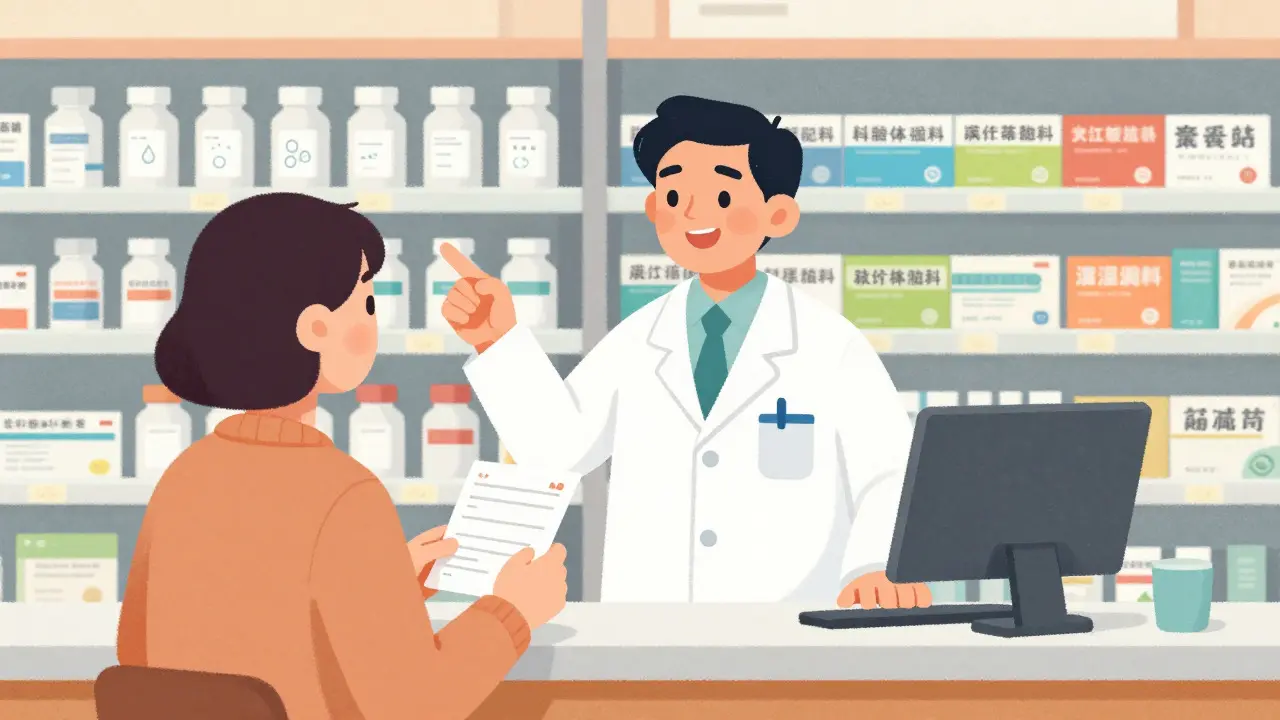
Generics vs Brands: Key Insurance Coverage Policy Differences
Discover how insurance formularies treat generics vs. brand-name drugs, including cost differences, prior authorization hurdles, and state-specific policy variations.
Read More
Looking for clear, up‑to‑date health facts? You’re in the right place. This page gathers the best resources so you can understand meds, diseases, and wellness without the guesswork. Think of it as a quick map to reliable health info, all in plain language.
Bad or outdated advice can lead to wrong self‑diagnoses, unnecessary worry, or even harmful choices. When you search online, you’ll see a mix of credible sites and click‑bait pages. Trustworthy sources back their claims with research, list authors’ credentials, and update content regularly. That’s why checking the source matters as much as the information itself.
WebMD is a household name, but it isn’t the only option. Some of its articles blend medical facts with advertising, and the site’s design can push sponsored content to the top. Relying on a single platform may limit your perspective, especially for niche conditions or the latest supplement research.
Here are a few sites that consistently deliver solid, easy‑to‑read health info:
Each of these sites follows a transparent editorial policy, lists author credentials, and updates its pages when new research appears. That means you can trust what you read without hunting for the source yourself.
When you compare them, look for a clear author bio, reference list, and a date stamp. If a page feels vague or has no citations, it’s a red flag.
Start by defining what you need: a quick symptom overview, medication safety info, or an in‑depth look at a chronic disease? Then match that need to a site that specializes in it. For quick answers, Verywell Health or Healthline work well. For detailed medical guidance, Mayo Clinic or MedlinePlus are safer bets.
Check the “About Us” page. Reputable sites explain their review process, funding sources, and editorial independence. If a site relies heavily on ads or sponsored content, treat its advice with caution.
Finally, cross‑check any crucial info with at least one other trusted source. A second opinion online can catch errors or add missing details before you act on the advice.
By using a mix of these reliable platforms, you’ll get a fuller picture of your health topics and avoid the pitfalls of a single, possibly biased source. Keep this page handy as you explore, and feel free to come back for updates on new health resources and guides.
Discover how insurance formularies treat generics vs. brand-name drugs, including cost differences, prior authorization hurdles, and state-specific policy variations.
Read More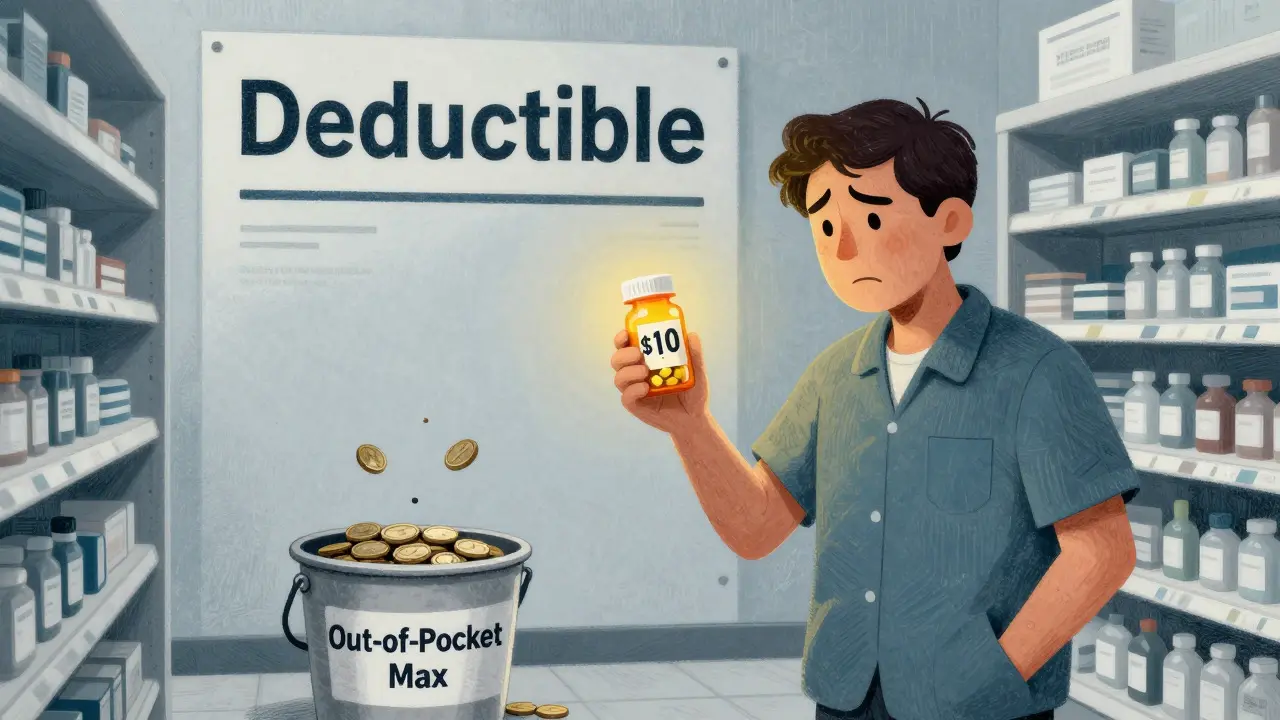
Discover how generic copays interact with your health insurance deductible and out-of-pocket maximum. Learn why copays usually don't count toward deductibles, the 2026 OOP limits, and how to check your specific plan structure.
Read More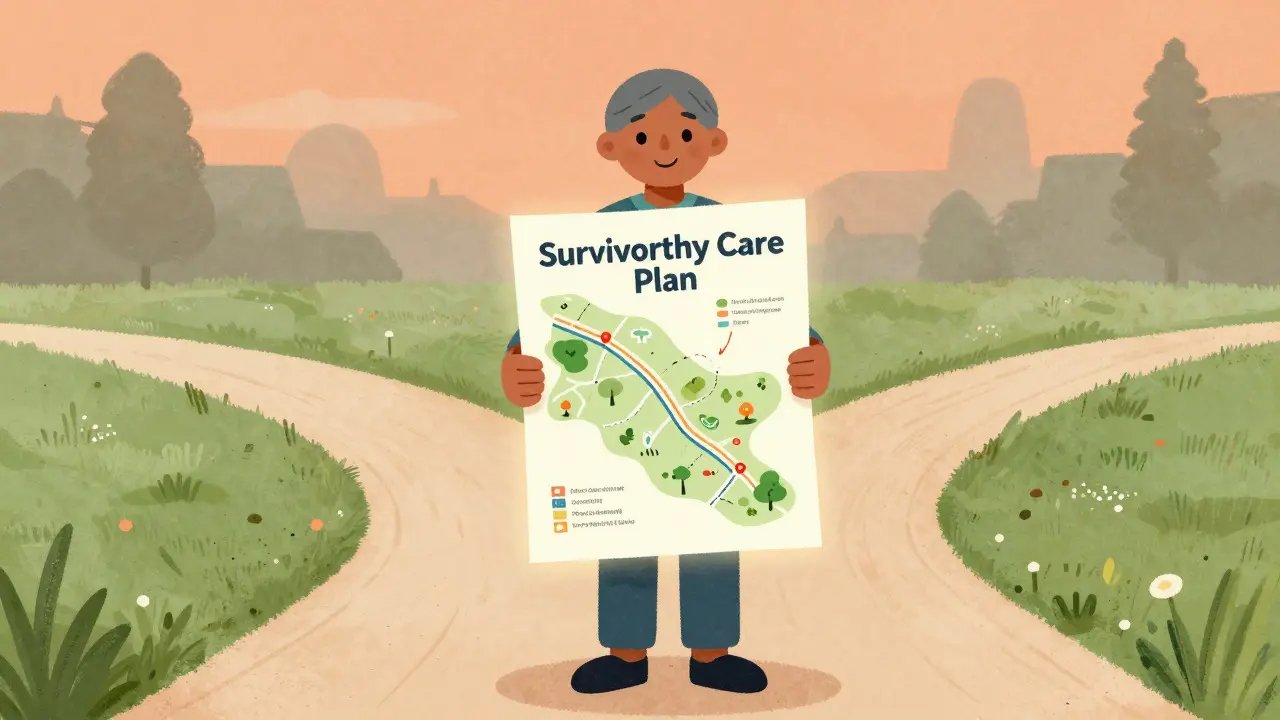
Learn how survivorship care plans guide cancer follow-up, screen for late effects, and coordinate care between oncologists and primary providers.
Read More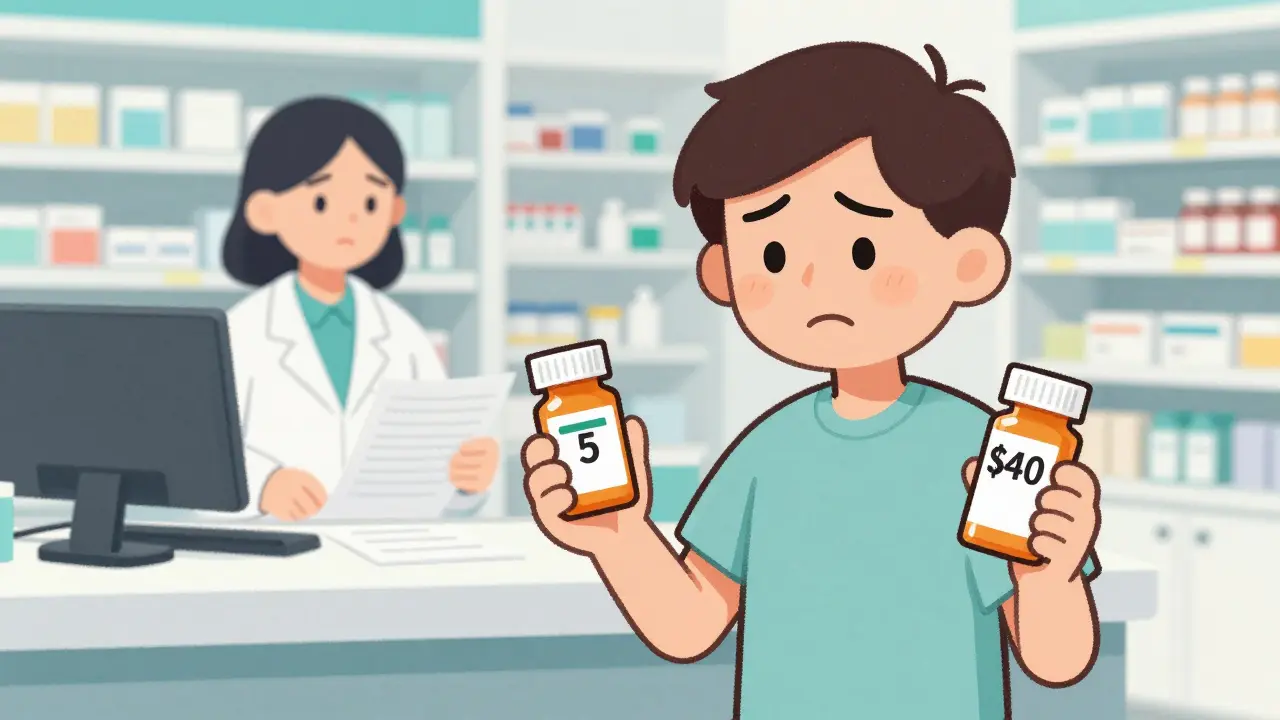
Learn what Medicaid covers for prescriptions, how formularies work, and how to reduce costs with Extra Help and prior authorization tips.
Read More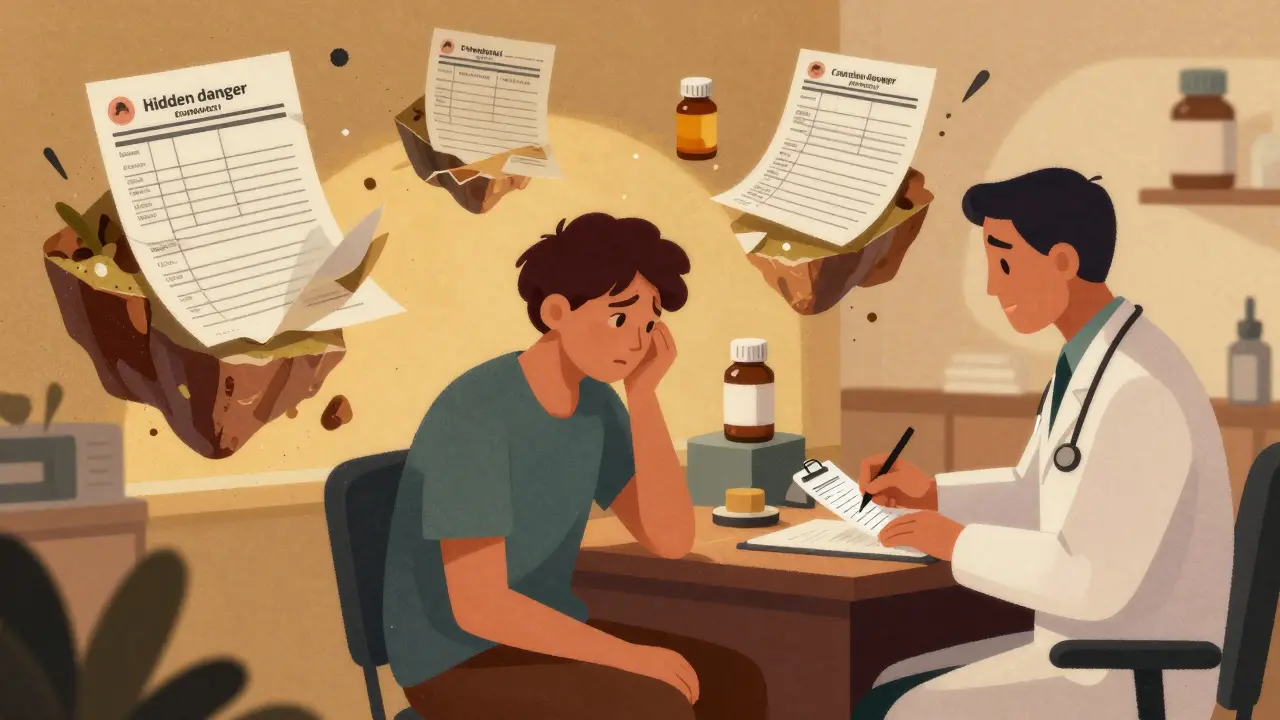
Learn how sharing your complete medical history prevents dangerous medication errors. Discover the Brown Bag Method, why electronic records fall short, and how to communicate effectively with providers for safer drug decisions.
Read More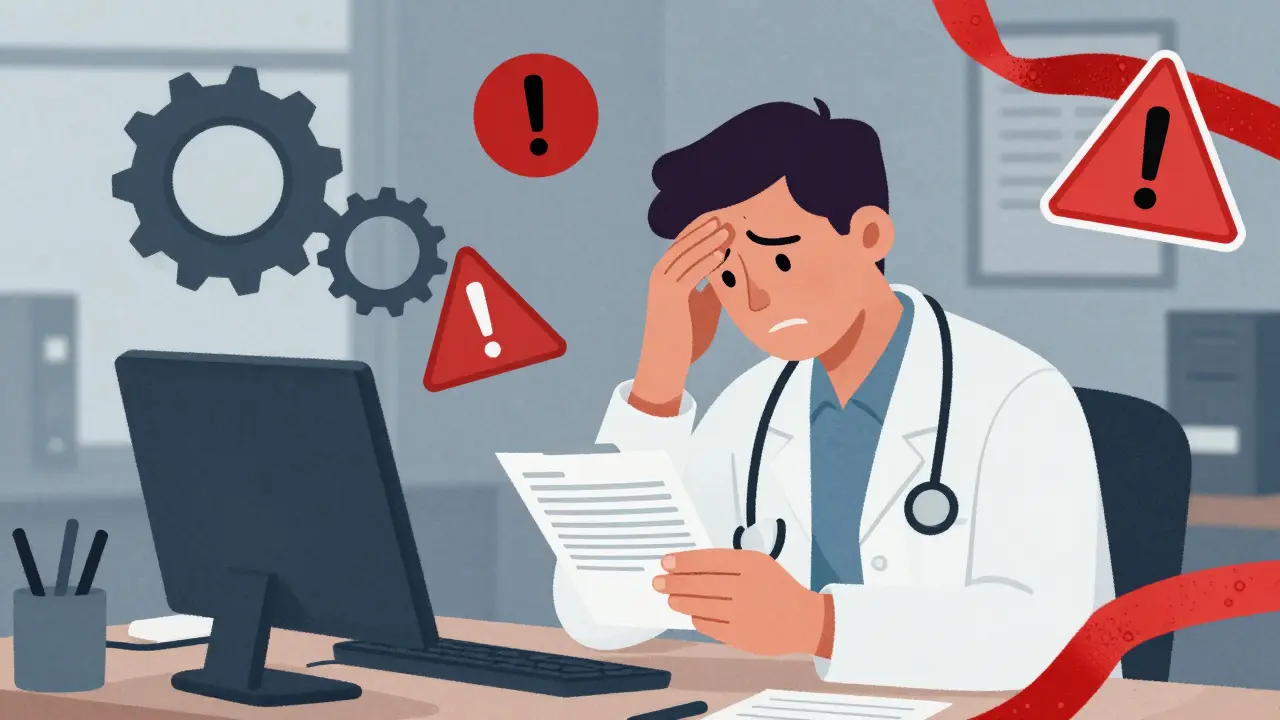
A practical guide for healthcare providers on securing prior authorization for generic medications. Learn why payers require approval, how to document medical necessity, and strategies to speed up the process across different insurance types.
Read More
Learn about asthma medication safety during pregnancy and breastfeeding. Discover which inhalers are safe and why controlling asthma is vital for baby's health.
Read More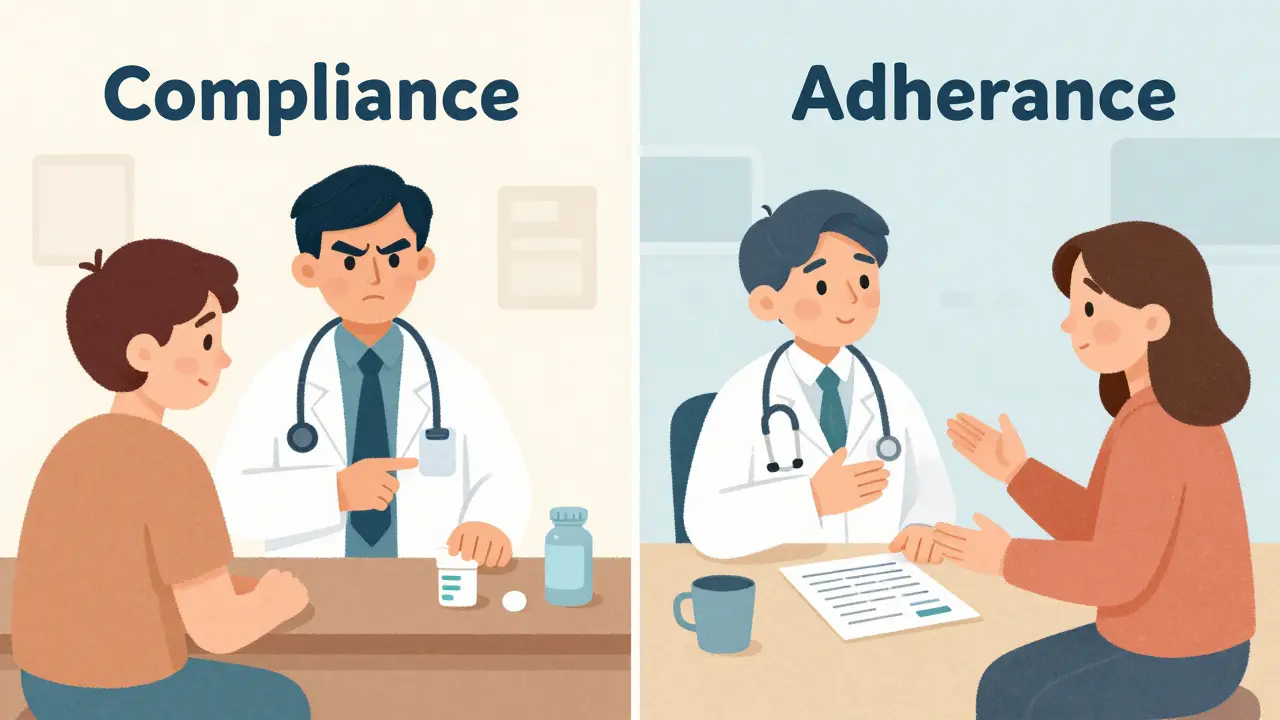
Discover the critical difference between medication adherence and compliance. Learn why a collaborative approach leads to better health outcomes and lower costs.
Read More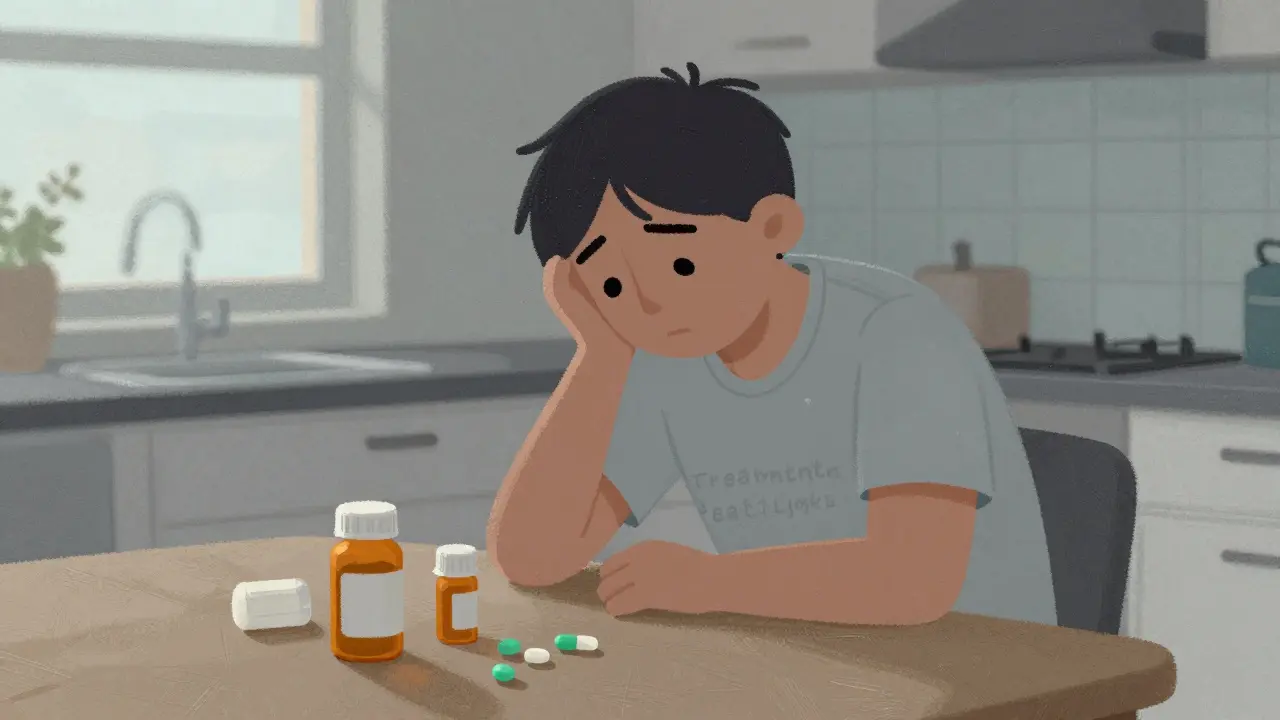
Learn how to manage the mental and practical strain of long-term medication. Explore active and emotion-focused coping strategies to improve adherence and health outcomes.
Read More
Learn what pharmaceutical equivalence actually means for generic drugs, how the FDA ensures safety via the Orange Book, and why some generics look different but work the same.
Read More