
Imagine you have a patient who needs a specific generic medication to manage their chronic condition. You write the prescription, confident it’s the right choice. But when the pharmacist tries to fill it, the system flags it. The insurance plan requires prior authorization before they will cover it.
This isn’t just an annoyance; it’s a roadblock that delays care and adds hours of administrative work to your day. For many providers, securing approval for generics feels like solving a puzzle where the rules change depending on which insurance payer is involved. Yet, unlike brand-name drugs, generic prior authorizations are often simpler and faster-if you know exactly what the payers want to see.
Why Do Payers Require Prior Authorization for Generics?
It might seem counterintuitive. Generics are cheaper than brand-name drugs, so why would an insurer block them? The short answer is cost control and clinical appropriateness. Pharmacy Benefit Managers (PBMs) use prior authorization as a utilization management strategy. They want to ensure patients are using the most cost-effective option available while avoiding unnecessary long-term use or inappropriate dosing.
According to data from the Academy of Managed Care Pharmacy (AMCP), about 28% of all prior authorization requests involve generic medications. These restrictions usually fall into three categories:
- Therapeutic Interchange Restrictions: When multiple generic options exist, the formulary may prefer one over another due to price negotiations with specific manufacturers.
- Quantity Limits: If you prescribe a 90-day supply but the plan limits coverage to 30 days without additional documentation, a prior auth is triggered.
- Duration Limits: Some drug classes, like proton pump inhibitors (PPIs), have built-in time limits (e.g., eight weeks) unless you prove the need for chronic administration.
Understanding these triggers helps you prepare the right documentation before submitting. If you’re requesting a generic because the patient had adverse reactions to the preferred alternative, you need to document that clearly. Without this context, the claim gets denied, and the clock starts ticking.
The Step-by-Step Process for Securing Approval
Securing approval doesn’t have to be a guessing game. By following a structured approach, you can significantly reduce denial rates and speed up processing times. Here is how providers typically navigate this process in 2026.
- Check the Formulary First: Before prescribing, look up the patient’s specific plan formulary. Identify if the generic is restricted, tiered, or subject to quantity limits. Many electronic health record (EHR) systems now integrate real-time formulary checks to flag issues at the point of care.
- Gather Clinical Documentation: This is the most critical step. Payers require proof of medical necessity. For generics, this often means showing why the preferred alternative failed. Include chart notes, lab results, or diagnostic tests. For example, if denying metformin due to GI intolerance, reference the American Diabetes Association guidelines that support switching agents.
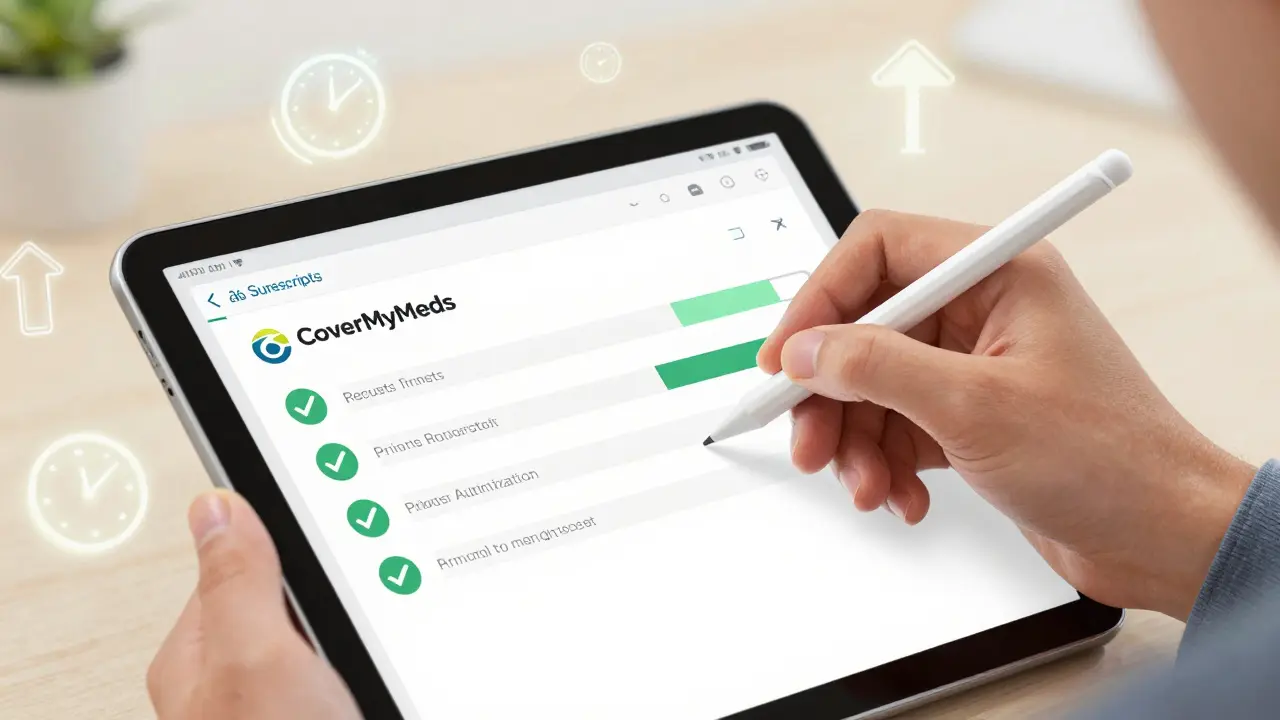
- Choose the Right Submission Method: In 2024, 78% of commercial insurers required electronic submission through portals like CoverMyMeds or Surescripts. Fax submissions are still accepted by some Medicaid plans but take longer. Electronic submissions allow for instant tracking and automated approvals.
- Submit and Track: Once submitted, monitor the status closely. Automated systems can approve simple requests within minutes if quantity limits aren’t exceeded. Complex cases may take 1-3 business days for generics, compared to 3-7 days for brand-name drugs.
Speed matters here. Studies show that 56% of physicians have had to provide bridge prescriptions-temporary supplies paid out-of-pocket-while waiting for approval. Avoiding this keeps patients adherent and reduces financial strain.
Documentation That Gets Approved Faster
The difference between a quick approval and a denial often comes down to the quality of your documentation. Payers don’t want vague statements like “patient needs this drug.” They want objective evidence tied to national guidelines.
Dr. Lorece Shaw, Director of Prior Authorization at Capital Rx, notes that criteria are based on widely published national guidelines developed by Pharmacy and Therapeutics committees. To align with these standards, include the following in your submission:
- Specific Adverse Reactions: Detail exactly what went wrong with the preferred generic. Did the patient experience rash, nausea, or therapeutic failure?
- Laboratory Results: Attach recent labs that justify the dosage or duration. For instance, kidney function tests for dose adjustments.
- Diagnostics: Radiographs, MRIs, or endoscopy reports that confirm the diagnosis requiring long-term therapy.
- Trial of Alternatives: Document attempts to use lower-cost alternatives and why they were ineffective.
Using standardized templates for common scenarios can cut approval times by 32%, according to Capital Rx. Create separate templates for frequent issues, such as PPI extensions or diabetes medication switches. This consistency makes it easier for reviewers to verify medical necessity quickly.
Navigating Different Insurance Types
Not all payers operate the same way. Understanding the nuances between Medicaid, Medicare Part D, and commercial insurance can help you tailor your approach.
| Insurance Type | PA Requirement Rate for Generics | Average Processing Time | Key Characteristics |
|---|---|---|---|
| Medicaid Fee-for-Service | 67% | 24 hours (urgent) / 14 days (standard) | Based on Preferred Drug Lists (PDLs); strict adherence to state guidelines. |
| Medicare Part D | 89% | 72 hours (standard) / 24 hours (urgent) | Regulated by CMS; new rules mandate faster responses under the Improving Seniors' Timely Access to Care Act. |
| Commercial Insurance | 93% | 1-3 business days | High variability between PBMs; heavy reliance on electronic submission platforms. |
For Medicaid, focus on meeting state-specific Department of Human Services requirements. For Medicare Part D, leverage the new 2024 regulations that enforce stricter response times. Commercial insurers vary widely, so building relationships with payer representatives can help clarify ambiguous denials.
Common Pitfalls and How to Avoid Them
Even experienced providers make mistakes in the prior authorization process. Here are the most common pitfalls and how to sidestep them.
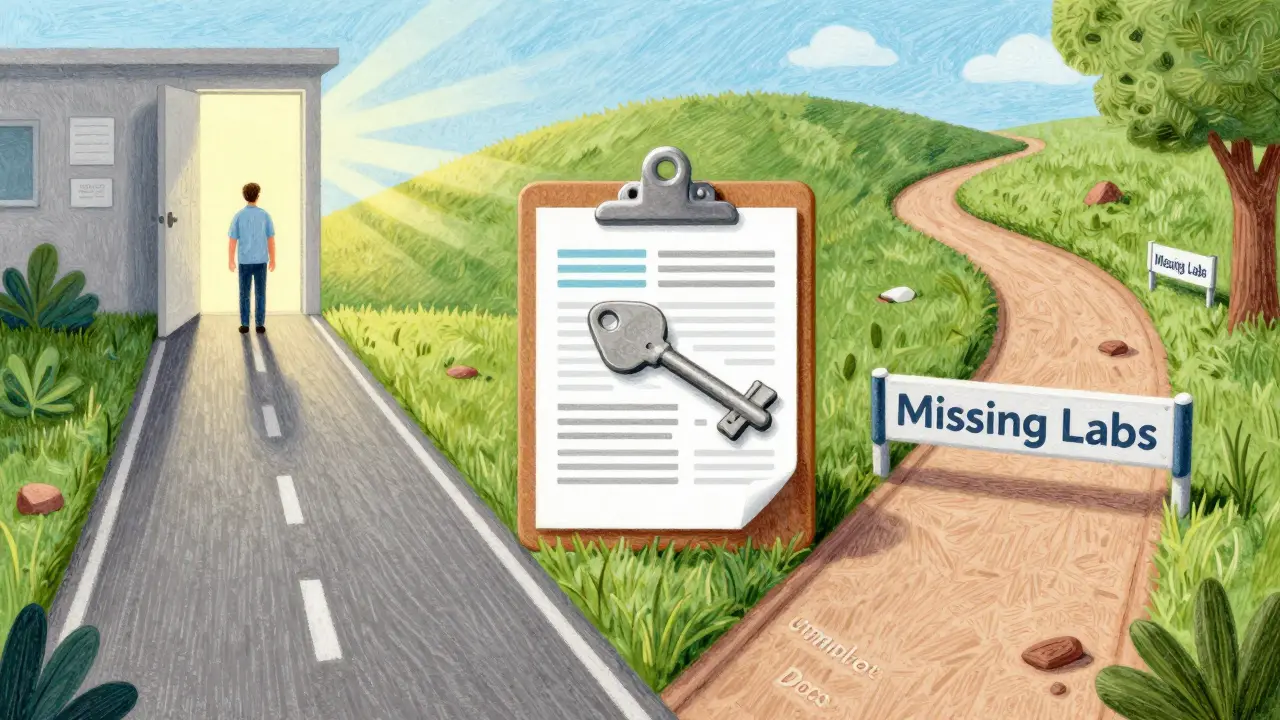
Incomplete Documentation: This is the leading cause of denials, accounting for 42% of rejections. Always double-check that you’ve attached all required charts and labs. Missing a single page can reset the clock.
Failing to Demonstrate Medical Necessity: Another 38% of denials stem from insufficient justification. Don’t assume the payer knows your patient’s history. Explicitly link the prescribed generic to the diagnosed condition using clinical language.
Ignoring Preferred Alternatives: Twenty percent of denials occur because the provider didn’t try the preferred alternative first. Unless there’s a documented safety concern or allergy, payers expect you to attempt the formulary-preferred option. Document this trial thoroughly.
To avoid these errors, implement a pre-submission checklist in your practice. Have a dedicated staff member review each request against the payer’s specific criteria before sending it off. This extra minute of verification can save hours of follow-up calls.
The Role of Technology in Streamlining Approvals
Technology is changing how we handle prior authorizations. As of Q2 2024, 87% of major PBMs offer electronic prior authorization options, reducing processing times by 35-50% compared to fax-based systems. Platforms like CoverMyMeds and Surescripts integrate directly with EHRs, allowing you to submit requests with a few clicks.
Looking ahead, AI-assisted review systems are expected to handle 75% of generic prior authorization decisions by 2026, according to McKinsey. These systems can instantly verify if documentation meets predefined criteria, potentially approving simple requests in under 24 hours. While this promises greater efficiency, it also means your documentation must be precise. AI algorithms look for specific keywords and data points. Vague notes may trigger automatic denials.
Additionally, auto-approve pathways are becoming more common. Express Scripts reported a 40% increase in auto-approvals for generics in 2023 when quantity limits weren’t exceeded. If your prescription fits within standard guidelines, it may never reach a human reviewer. Ensure your orders align with these automated thresholds to bypass manual review entirely.
When Things Go Wrong: Appeals and Next Steps
Despite best efforts, denials happen. The average denial rate for generics is 18.7%. If your request is rejected, don’t give up. Most denials are reversible if you address the specific reason cited.
First, read the denial letter carefully. It will state whether the issue was lack of documentation, failure to try alternatives, or other reasons. Gather the missing information and resubmit. If the denial persists, file a formal appeal. Include additional supporting letters, peer-reviewed studies, or specialist consultations that reinforce medical necessity.
For urgent cases, consider expedited appeals. Under federal law, patients have the right to an expedited review if delaying treatment could seriously harm their health. Use this tool sparingly but effectively when time is critical.
Finally, maintain open communication with your patients. Explain the process, set realistic expectations, and offer bridge prescriptions if necessary. Transparency builds trust and reduces frustration during these delays.
How long does prior authorization for generics typically take?
For generic medications, prior authorization usually takes 1 to 3 business days if documentation is complete. Urgent requests may be processed within 24 hours, especially under new Medicare Advantage rules. However, if additional information is requested, the timeline can extend to 7-14 days.
What documentation is needed for generic prior authorization?
You need to provide clinical documentation proving medical necessity. This includes chart notes, laboratory test results, diagnostic images (like MRIs or X-rays), and records of adverse reactions to preferred alternatives. Specificity is key-vague statements often lead to denials.
Why do insurers require prior authorization for cheaper generic drugs?
Insurers use prior authorization to control costs and ensure appropriate use. Even though generics are cheaper, payers may restrict certain ones due to manufacturer pricing agreements, quantity limits, or duration caps. They also aim to prevent long-term use of medications like PPIs unless medically justified.
Can I appeal a denied prior authorization for a generic?
Yes, you can appeal any denial. Review the denial reason, gather missing documentation, and resubmit. If the denial stands, file a formal appeal including additional clinical evidence. For urgent cases, request an expedited appeal to speed up the review process.
Are electronic prior authorization submissions better than fax?
Yes, electronic submissions are significantly faster and more reliable. As of 2024, 78% of commercial insurers require electronic submission via platforms like CoverMyMeds or Surescripts. Electronic systems allow for real-time tracking, automated approvals, and reduced processing times compared to fax.