
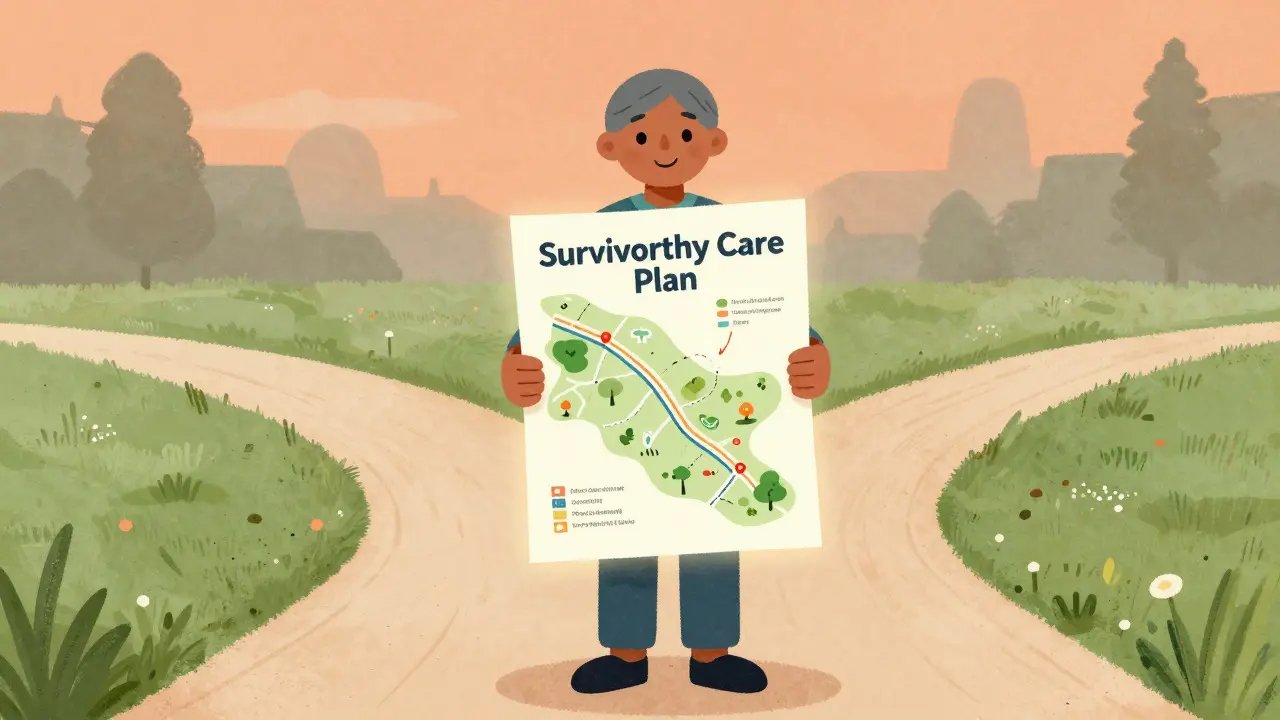
Beating cancer is a massive victory, but the finish line doesn't mean you can just walk away from medical care. In fact, for many survivors, the real work of managing health begins only after active treatment ends. This is where a survivorship care plan becomes your most important document. It’s not just paperwork; it’s a roadmap designed to keep you healthy, catch any issues early, and manage the long-term side effects of your treatment.
If you’ve recently finished chemotherapy, radiation, or surgery, you might feel lost in the transition from intensive oncology care to routine primary care. You’re not alone. Studies show that nearly half of all cancer survivors report feeling unprepared for this shift. A survivorship care plan bridges that gap, ensuring both you and your doctors know exactly what happened during treatment and what needs to happen next.
What Is a Survivorship Care Plan?
A survivorship care plan is a comprehensive document created at the end of cancer treatment that summarizes your medical history and outlines future healthcare needs. The concept was formalized by the Institute of Medicine (now the National Academy of Medicine) in their landmark 2006 report, which highlighted the dangerous "lost in transition" phase many patients face. Today, these plans are considered the standard of care across major cancer centers.
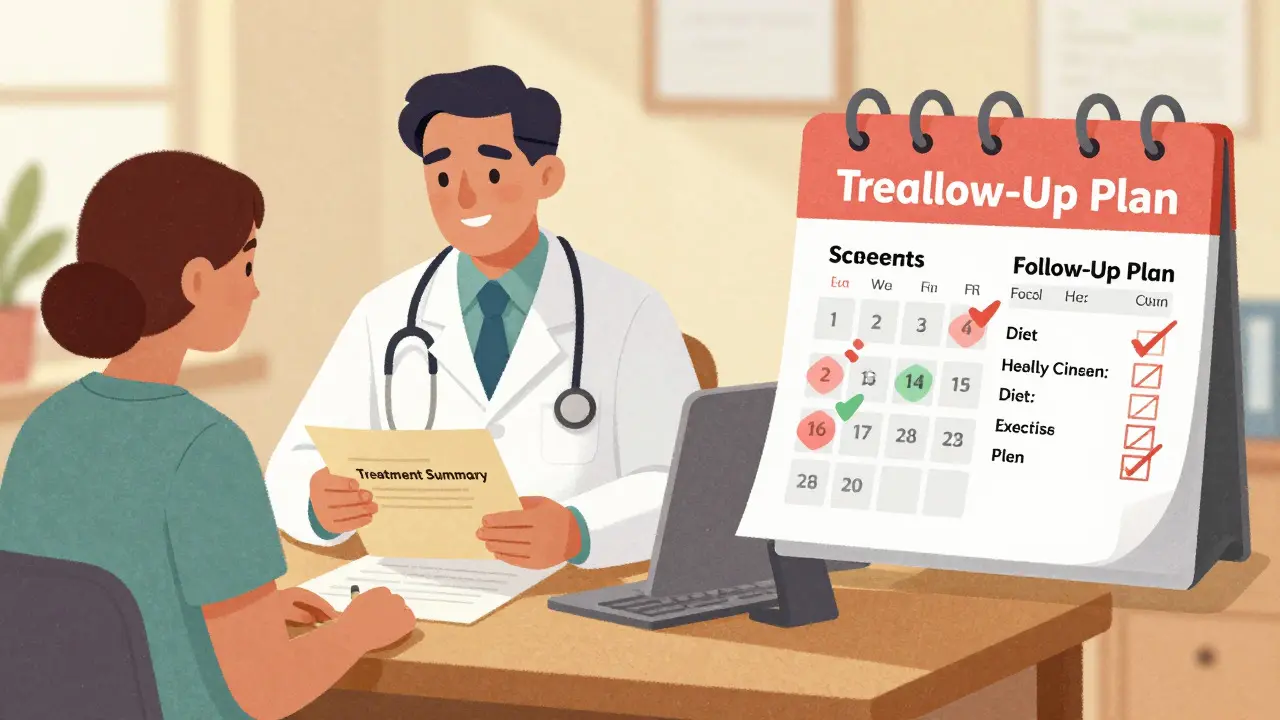
Think of it as your personal medical passport. It contains two critical parts: a Treatment Summary and a Follow-Up Plan. Without this document, your primary care physician might not know which drugs weakened your heart or which areas of your body were exposed to radiation. That lack of information can lead to missed screenings or inappropriate treatments down the road.
The American Society of Clinical Oncology (ASCO) estimates that 68% of primary care physicians feel unprepared to manage cancer survivors without specific guidance. Your care plan provides that exact guidance, acting as a communication tool between your oncologist and your regular doctor.
The Two Core Components: Summary and Plan
To be effective, your plan must include precise details. Vague statements like "you had chemo" aren’t enough. Here is what needs to be documented:
1. The Treatment Summary
This section records exactly what you went through. According to guidelines from Memorial Sloan Kettering Cancer Center (MSKCC), this must include:
- Diagnosis Details: Date of diagnosis, type of cancer, location, stage, and histology (the specific cell type).
- Chemotherapy/Biotherapy: Names of drugs, doses, number of cycles, and whether you were part of a clinical trial.
- Radiation Therapy: Type of radiation, total dose received, and the specific site treated.
- Surgery: Procedures performed and dates.
- Ongoing Medications: Any hormone therapies or other meds you are still taking.
2. The Follow-Up Plan
This is the actionable part of the document. It tells you when to come back and what tests to expect. ASCO’s template requires this section to cover:
- Surveillance Schedule: How often you should see an oncologist vs. a primary care provider.
- Screening Tests: Specific imaging or blood work needed to check for recurrence.
- Late Effects Management: Strategies to identify and treat long-term side effects.
- Healthy Living Options: Recommendations for diet, exercise, smoking cessation, and alcohol use.
Understanding Late Effects and Screening
One of the most confusing aspects of survivorship is distinguishing between short-term side effects and late effects. Short-term effects, like nausea or fatigue, usually fade weeks or months after treatment. Late effects can appear years or even decades later. They are caused by the damage treatment did to healthy cells alongside the cancer cells.
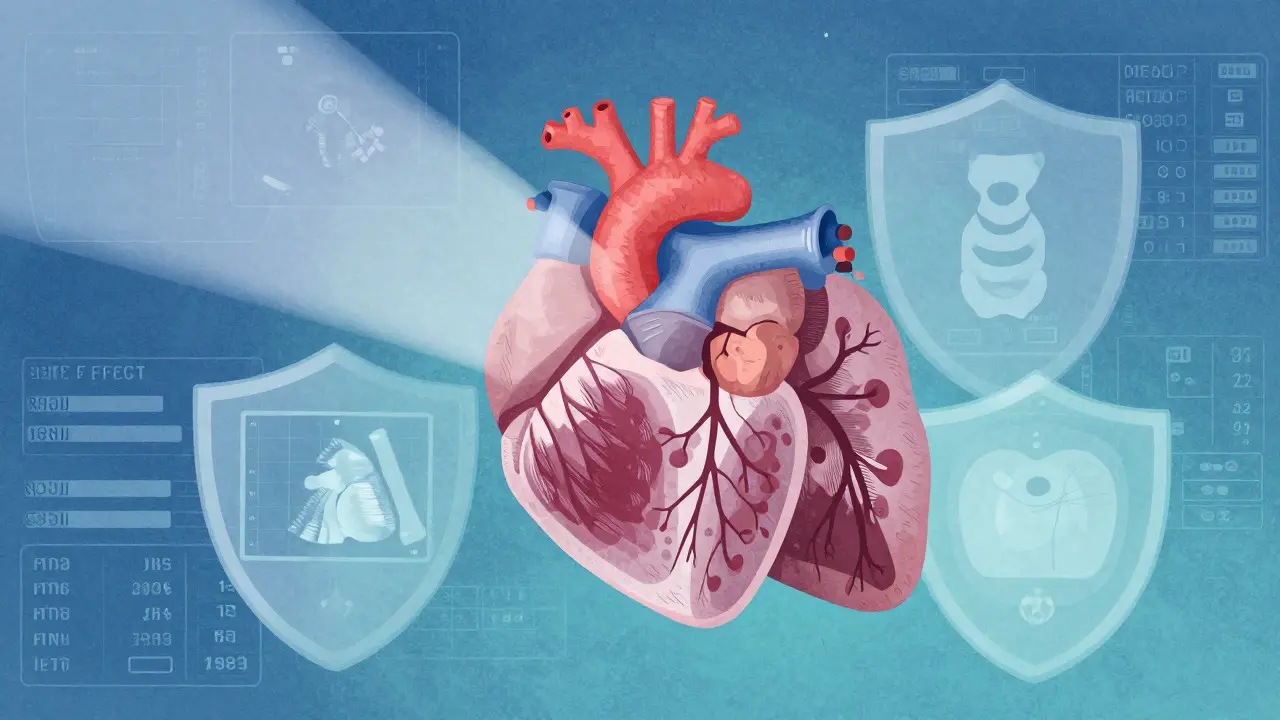
Your care plan should specify screenings based on your unique exposure. For example, if you received anthracyclines (a common chemotherapy drug) at a dose higher than 250 mg/m², you are at risk for heart damage. The Children's Oncology Group (COG) guidelines recommend an echocardiogram every five years for these patients. Similarly, Hodgkin lymphoma survivors who had chest radiation need annual mammograms starting eight years after treatment due to increased breast cancer risk.
| Treatment Exposure | Potential Late Effect | Recommended Screening/Monitoring |
|---|---|---|
| Anthracycline Chemotherapy (>250 mg/m²) | Cardiomyopathy (Heart Damage) | Echocardiogram every 5 years |
| Chest Radiation (e.g., Hodgkin Lymphoma) | Breast Cancer, Lung Disease | Annual Mammogram (starting 8 years post-tx); Low-dose CT scan |
| Testicular Radiation | Hypothyroidism | Thyroid function test annually |
| Immune Checkpoint Inhibitors | Autoimmune Conditions | Monitoring for thyroid, liver, or lung inflammation |
The CDC notes that survivors who actively use their care plans are 2.3 times more likely to receive appropriate surveillance testing. This isn't about fear; it's about control. Knowing what to look for reduces anxiety and ensures problems are caught when they are easiest to treat.
Who Creates Your Plan and When?
You shouldn't have to create this document yourself. It is the responsibility of your oncology team. However, implementation varies. As of 2022, 97.8% of National Cancer Institute-designated cancer centers provide some form of survivorship planning, but only 58% of community cancer centers have formal programs. If you are treated at a smaller clinic, you may need to ask for one explicitly.
The best time to review this plan is at the end of active treatment. MSKCC data shows that 83% of centers deliver the plan at treatment completion. Don't wait until your first follow-up appointment six months later. You want this document in hand before you transition out of daily oncology care.
Creating these plans takes time-about 45 minutes per patient on average, requiring input from nurses, doctors, and social workers. Some institutions now use digital tools like the OncoLife Survivorship Care Plan or ASCO’s digital builder to generate personalized plans in under 10 minutes. These tools pull data directly from your electronic health record to ensure accuracy.
Using Your Plan with Primary Care Providers
Here is the hard truth: having the plan isn't enough. You have to use it. Research indicates that only 41% of survivors bring their care plan to primary care visits. This is a missed opportunity.
Your primary care provider (PCP) will become your main point of contact for general health. They need to know your cancer history to avoid prescribing medications that interact with past treatments or to recognize symptoms that might be related to late effects rather than common ailments. For instance, fatigue in a survivor could be anemia from past chemo, thyroid issues from radiation, or simply stress. The care plan helps your PCP narrow down the causes quickly.
Make copies of your plan. Keep one in your wallet, one at home, and send a digital copy to your PCP’s office before your first visit. Treat it as seriously as your insurance card.
Barriers and Challenges
Despite its benefits, survivorship care planning faces hurdles. One major issue is reimbursement. Currently, Medicare pays only $127.50 for creating a plan, which covers less than 40% of the actual cost. This financial disincentive means some clinics rush the process or skip it entirely.
Another barrier is technology interoperability. About 67% of institutions struggle to share survivorship data between oncology systems and primary care electronic health records. This means your PCP might not see your plan unless you physically hand it to them.
There are also disparities in access. Only 31% of safety-net hospitals provide comprehensive plans compared to 78% of academic centers. If you notice gaps in your care, advocate for yourself. Ask your oncologist: "Do I have a written summary of my treatment? Do I have a schedule for future screenings?"
Future Trends in Survivorship Care
The field is moving toward greater personalization. Instead of a one-size-fits-all approach, leading centers are using genomic risk stratification. For example, 32% of academic centers now incorporate polygenic risk scores to predict the likelihood of secondary cancers. Artificial intelligence is also being tested to predict individual risks for late effects, such as cardiac complications, with models achieving up to 84% accuracy.
New technologies are emerging to support this. Mobile apps that sync with wearable devices can monitor heart rate and activity levels in real-time, alerting providers to potential issues. The National Cancer Institute’s SUSTAIN trial is currently testing technology-enhanced plans with automated reminders, aiming to improve adherence to follow-up schedules.
Next Steps for Survivors
If you are currently in treatment, start thinking about survivorship now. Ask your team about their process for creating a care plan. If you have already finished treatment but don’t have a plan, request one immediately. Bring it to your next primary care appointment and discuss any questions you have about late effects or lifestyle changes.
Remember, survivorship is a lifelong journey. Your care plan is the map. Use it to stay proactive, informed, and in charge of your health.
What is the difference between a treatment summary and a survivorship care plan?
A treatment summary is just one part of the whole plan. It lists the diagnoses, drugs, doses, and surgeries you received. The survivorship care plan includes the treatment summary PLUS a forward-looking follow-up plan that details when you need appointments, what screenings are required, and how to manage long-term side effects.
How often should I see an oncologist after finishing treatment?
This depends on your cancer type and risk of recurrence. Generally, visits are frequent in the first few years (every 3-6 months) and then space out to once a year after five years. Your survivorship care plan will specify the exact schedule recommended by your oncologist.
Can I get a survivorship care plan if I was treated at a small community hospital?
Yes. While adoption is lower in community settings, you have the right to ask for one. If your hospital doesn't have a formal program, ask your oncologist to write a letter summarizing your treatment and follow-up needs. You can also use online tools like the OncoLife platform to help generate a draft based on your records.
What are "late effects" of cancer treatment?
Late effects are health problems that develop months or years after cancer treatment has ended. Unlike acute side effects (like nausea during chemo), late effects can include heart disease, lung damage, secondary cancers, or hormonal imbalances. They are caused by the impact of treatment on healthy tissues.
Does insurance cover the creation of a survivorship care plan?
Reimbursement varies. Medicare has a specific payment code for care plan creation, but the amount often doesn't cover the full cost of staff time. Many private insurers cover it as part of routine oncology visits. Regardless of billing, it is a standard of care that you should request from your oncology team.
charlie student
It’s wild how much the system fails us right when we think we’re safe. The transition from oncology to primary care is basically a cliff jump for most people. I remember feeling like I was holding a bomb and nobody told me where the pin was.
Tegan Morey
So true! It feels like you're just thrown into the deep end without a life jacket. I always tell my friends who are finishing treatment to demand that paper trail immediately. Don't let them brush you off because 'it's standard procedure.' It isn't yet, not everywhere. You have to be your own advocate here.
I had to chase down my records three times before they gave me a proper summary. It was exhausting but worth it.
Gary Browne
Look, the problem is doctors are overworked and underpaid. They don't have time to write these essays for every patient. If you want a plan, ask for it at discharge, not six months later when they've already forgotten your chart exists. Stop blaming the system and take responsibility for your own health data.
Christina Thygesen
that's such a harsh way to put it gary. sure doctors are busy but cancer survivors are traumatized too. it's not about blame it's about connection. i felt so lost after chemo ended. no one explained what fatigue meant long term. i thought i was just lazy. knowing it could be thyroid or heart related changed everything for me. please be kinder
Minal Aditi
Oh, spare me the emotional woe-is-me narrative. You beat cancer, congratulations, now grow up and read the instructions. It's called a 'plan' for a reason. If you can't handle organizing your medical history, maybe you weren't cut out for the survivorship game anyway. Most of you just want attention and validation instead of actual data.
The article says 68% of GPs feel unprepared? Good. Maybe they should quit if they can't do their jobs. Or maybe patients need to stop being helpless victims and start acting like adults with agency. It's pathetic how dependent everyone is on the medical industrial complex to hold their hand through basic logistics.
Marc H
Wow, Minal. Truly inspiring. Nothing says 'supportive community' like telling someone to suck it up because their doctor didn't fill out a form correctly. You must be a joy at dinner parties.
For the rest of us, yes, the bureaucracy is insane. I had to fax my own records to my new GP because the systems didn't talk to each other. In this day and age? Unbelievable.
sam howard
the tech interoperability issue is real. 67% struggle with it. means you gotta carry the pdf everywhere. print it. laminate it. wear it around your neck. dont rely on digital handoffs. they fail. always.
Chris McQuaid
Actually, Sam, it's not just about carrying paper. The issue is semantic interoperability. Different EHRs use different coding standards for late effects. ASCO has guidelines but implementation is patchy. Also, the reimbursement model is broken. Medicare pays $127 for something that takes 45 minutes of multidisciplinary work. That's why clinics rush it. It's an economic disincentive, not just a tech failure. You're oversimplifying a complex systemic issue.
Alli Crumley
Exactly! The paradigm shift required here is massive. We need to leverage genomic risk stratification as mentioned in the post. Polygenic risk scores are the future. Without integrating AI-driven predictive models for cardiac complications, we are merely treating symptoms rather than addressing the root physiological vulnerabilities. It's pseudo-science to think a simple PDF fixes decades of cellular damage. We need precision medicine integration. 🧬📉
Diane Nash
While the technological advancements are certainly promising, one must not overlook the fundamental human element of care. A document, regardless of its algorithmic sophistication, cannot replace empathetic communication between provider and patient. The formal structure of the survivorship plan is vital, yes, but it serves best as a scaffold for ongoing dialogue. We must ensure that our pursuit of efficiency does not erode the therapeutic alliance established during active treatment.
Samuel Hershberger
Great point, Diane. And for those asking how to get started: if your clinic doesn't offer one, ask specifically for a 'Treatment Summary' and a 'Follow-Up Plan'. If they say no, ask for a referral to a survivorship program. There are free tools online like OncoLife that can help you draft it if you have your records. Don't give up! Your health is worth the fight. 😊💪
Mathew Stuckey
Thanks for sharing this info Samuel! Really helpful. I'm gonna print mine out today. 👍