
Prescription drugs can be expensive. For millions of Americans relying on Medicaid is a joint federal and state program that helps with medical costs for people with limited income and resources, understanding exactly what medication coverage includes is not just helpful-it is essential for staying healthy without financial stress. While federal law sets broad guidelines, the reality of your pharmacy bill depends heavily on your state’s specific rules, your doctor’s prescribing habits, and whether you know how to navigate the system.
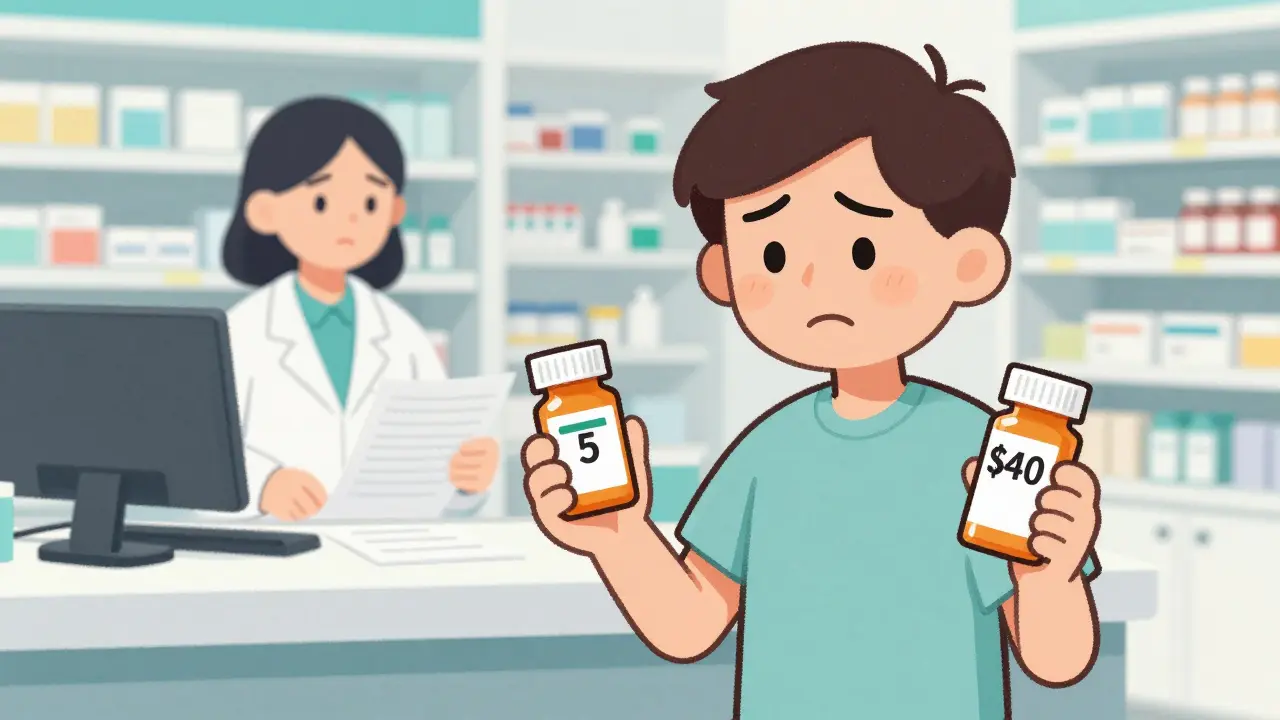
If you have ever stood at a pharmacy counter wondering why a generic pill costs $5 but the brand-name version costs $40, or why your doctor had to fill out extra paperwork for a new script, you are dealing with the complex machinery of Medicaid pharmacy benefits. This guide breaks down what is actually covered, how much you will pay, and the steps you need to take if your preferred medication is denied.
What Is Actually Covered Under Medicaid?
Technically, outpatient prescription drug coverage is an "optional" benefit under federal Medicaid law. However, in practice, all 50 states and the District of Columbia provide this coverage to categorically eligible individuals. As of 2025, this serves approximately 85 million low-income Americans. The coverage is not a simple yes-or-no list; it operates through a structured system designed to balance patient access with cost containment.
The core of this system is the Preferred Drug List (PDL), also known as a formulary. Think of this as a menu approved by your state’s Medicaid program. Medications are categorized into tiers:
- Tier 1: Generic drugs. These are chemically identical to brand-name versions but cost significantly less. They usually have the lowest copay.
- Tier 2: Brand-name drugs. These are preferred non-generic options. Copays are higher than Tier 1 but lower than non-preferred brands.
- Non-Preferred/Tier 3: Specific brand-name drugs that are not on the preferred list. These often require additional steps, such as prior authorization, before they will be covered.
Not every drug is automatically covered. States use these lists to negotiate better prices with pharmaceutical manufacturers through the Medicaid Drug Rebate Program, established in 1990. Manufacturers must pay rebates to state programs to have their drugs covered. If a drug does not offer a rebate, it may be excluded from the formulary entirely, as seen when North Carolina removed several medications in late 2025 due to fiscal impacts.
How Much Will You Pay? Understanding Copays and Cost-Sharing
One of the biggest questions beneficiaries ask is, "What comes out of my pocket?" The answer varies by state, but there are general patterns. Most states charge a small copayment for each prescription filled. For example, a generic drug might cost between $1 and $5, while a brand-name drug could range from $10 to $40 or more.
However, certain groups face little to no cost-sharing. Federal law prohibits states from charging copays for:
- Pregnant women
- Children
- Certain elderly or disabled populations receiving home and community-based services
If you are a dual-eligible beneficiary-meaning you qualify for both Medicare and Medicaid-your costs are further reduced through the Extra Help program (also known as the Low-Income Subsidy). In 2025, participants in Extra Help pay $0 premiums, $0 deductibles, and maximum copays of $4.90 for generics and $12.15 for brand-name drugs. Once your total drug costs reach $2,000 annually, you pay $0 for covered drugs for the rest of the year. Approximately 1.2 million eligible Medicare beneficiaries do not receive this benefit simply because they are unaware they qualify.
| Cost Component | Standard Medicaid (Varies by State) | Extra Help (Low-Income Subsidy) |
|---|---|---|
| Monthly Premium | $0 - $10 (State dependent) | $0 |
| Deductible | None or minimal | $0 |
| Generic Copay | $1 - $5 typical | Max $4.90 |
| Brand Name Copay | $10 - $40+ typical | Max $12.15 |
| Annual Out-of-Pocket Max | Varies widely | $2,000 (then $0) |
Navigating Prior Authorization and Step Therapy
Sometimes, your doctor prescribes a medication that is not on the Preferred Drug List, or it is on the list but requires approval. This is where Prior Authorization (PA) and Step Therapy come into play. These are administrative hurdles designed to ensure that patients try cheaper, effective alternatives first.
Step Therapy (Trial and Failure): Many states, including North Carolina and Florida, require beneficiaries to demonstrate that they have tried and failed two preferred drugs before a non-preferred alternative will be covered. For instance, if you need an SSRI for depression, your plan might require you to try Sertraline and Fluoxetine before approving Escitalopram. Exceptions are made only if specific clinical criteria are met, such as a history of severe side effects.
Prior Authorization: This is a pre-approval process where your doctor must submit documentation proving the medical necessity of the prescribed drug. According to the Medicare Rights Center, 63% of Medicaid beneficiaries experience delays due to PA requirements, with average processing times of 7.2 business days for initial requests. However, 78% of initial denials are overturned on appeal when accompanied by complete clinical documentation.
To avoid delays:
- Ask your doctor to check the formulary before prescribing.
- If a PA is required, ensure your doctor submits detailed notes explaining why preferred alternatives failed or are unsuitable.
- Follow up with your pharmacy within 3-5 days if you haven’t heard back.
Specialty Drugs and High-Cost Therapies
While generic drugs account for 89% of all Medicaid prescriptions, they represent only 27% of spending. Conversely, specialty drugs make up just 3% of utilization but drive 42% of expenditures. These include treatments for conditions like rheumatoid arthritis, multiple sclerosis, and hepatitis C.
States are increasingly using value-based purchasing contracts for these high-cost items. By 2025, 44 states implemented some form of outcomes-based contracting, meaning manufacturers only get paid if the drug works effectively for the patient. This protects taxpayers and ensures patients have access to transformative treatments like gene therapies, which can cost over $2 million per treatment. Currently, 22 states participate in CMS Innovative Payment models to manage these budget impacts.
Practical Tips for Maximizing Your Benefits
Navigating Medicaid pharmacy benefits has a learning curve. SHIP counselors report that new beneficiaries typically need nearly three assistance sessions to fully understand their coverage. Here is how to stay ahead:
- Use Network Pharmacies: Always fill prescriptions at participating network pharmacies. Some plans offer preferred mail-order services for maintenance medications (like blood pressure or cholesterol pills), which can save you money and time.
- Check for Extra Help: If you have Medicare and Medicaid, apply for Extra Help immediately. It is automatic for those with full Medicaid coverage, SSI payments, or state assistance with Part B premiums, but many miss out due to lack of awareness.
- Appeal Denials: If your drug is denied, do not give up. File an appeal with supporting letters from your doctor. The success rate for appeals with proper documentation is high.
- Stay Updated on Formulary Changes: States update their PDLs regularly. For example, North Carolina revised its list in July and October 2025, moving some drugs from preferred to non-preferred status. Check your state’s Medicaid website or call your plan’s customer service line.
Starting in 2025, beneficiaries with Medicaid or Extra Help gained increased flexibility to change drug coverage once per month, rather than being restricted to the Annual Enrollment Period. Use this flexibility to switch plans if your current one does not cover your necessary medications.
Does Medicaid cover all prescription drugs?
No, Medicaid does not cover every single drug available. Coverage is determined by your state's Preferred Drug List (PDL) or formulary. While most common and medically necessary drugs are covered, some newer or non-rebate-eligible drugs may be excluded or require prior authorization. All 50 states provide coverage for outpatient prescription drugs, but the specific list of covered medications varies by state.
What is the difference between a generic and a brand-name drug copay?
Generic drugs (Tier 1) typically have the lowest copays, often ranging from $1 to $5. Brand-name drugs (Tier 2 or Non-Preferred) have higher copays, which can range from $10 to $40 or more, depending on your state's rules. If you qualify for the Extra Help program, your maximum copay for generics is $4.90 and for brand-name drugs is $12.15.
What should I do if my prescription is denied due to step therapy?
If your prescription is denied because you haven't tried preferred alternatives, you have two main options. First, work with your doctor to try the preferred drugs as required. Second, if you have a valid medical reason why the preferred drugs won't work (e.g., allergies, past side effects), ask your doctor to file a prior authorization appeal with detailed clinical documentation. About 78% of appeals with complete documentation are successful.
Who qualifies for the Extra Help program?
The Extra Help program (Low-Income Subsidy) is available to Medicare beneficiaries with limited income and resources. Automatic qualification applies to those with full Medicaid coverage, Supplemental Security Income (SSI) payments, or state assistance with Medicare Part B premiums. If you are not automatically enrolled, you can apply through Social Security. It reduces premiums, deductibles, and copays significantly.
Can I change my Medicaid pharmacy plan anytime?
Starting in 2025, beneficiaries with Medicaid or Extra Help gained the ability to change their drug coverage once per month, rather than being limited to the Annual Enrollment Period. This allows you to switch plans if your current one does not cover your necessary medications or if you find a plan with better pharmacy networks or lower copays.