
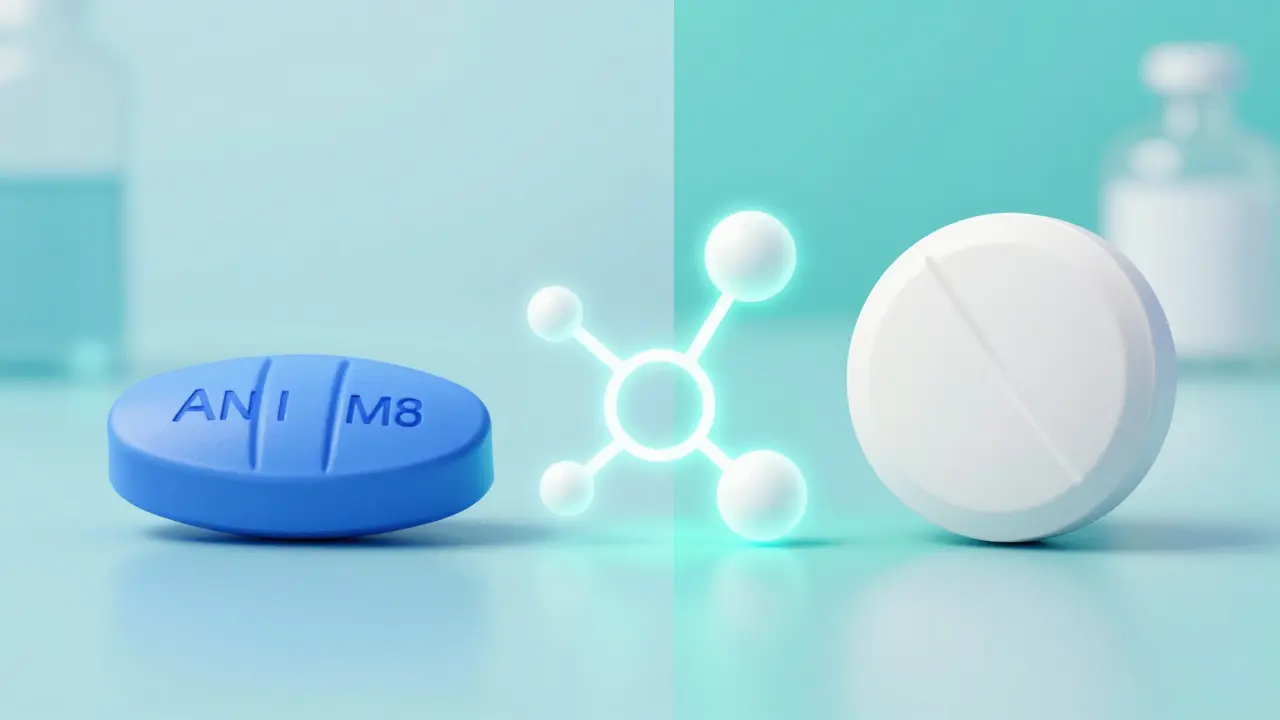
Ever wondered why your pharmacist swaps your brand-name pill for a generic one that looks completely different but costs a fraction of the price? It all comes down to a regulatory gold standard called pharmaceutical equivalence is the requirement that a generic drug must have the same active ingredient, dosage form, route of administration, and strength as the original brand-name drug . While a different color or shape might make the pill look like a different medicine, the chemistry inside is designed to be identical. But does "identical" always mean it works exactly the same way in your body? That's where the nuance of the law meets the reality of medicine.
The Foundation: What Makes a Drug a Pharmaceutical Equivalent?
Before a generic drug can hit the shelves, it has to pass a strict set of tests. It isn't enough to just "be similar." According to the FDA , for two drugs to be pharmaceutical equivalents, they must match on four specific fronts: the active ingredient, the dosage form (like a tablet or a liquid), the way you take it (oral, topical, etc.), and the strength.
Think of the Active Pharmaceutical Ingredient (or API) as the engine of the car. If the brand-name drug uses a specific molecule to lower blood pressure, the generic must use that exact same molecule in the exact same amount. To prove this, manufacturers use high-performance liquid chromatography (HPLC) to ensure the API content is within ±5% of the labeled amount. If it's off by more than that, it doesn't make the cut.
However, there is a catch: the "inactive" parts of the pill. These are called excipients -things like binders, fillers, and dyes. Pharmaceutical equivalence allows these to be different. This is why your generic might be a white round pill while the brand is a blue oval. For most people, this doesn't matter. But for someone with a severe allergy to a specific dye or filler, these differences can actually cause a reaction, even though the medicine itself is identical.
The Three Tiers of Equivalence
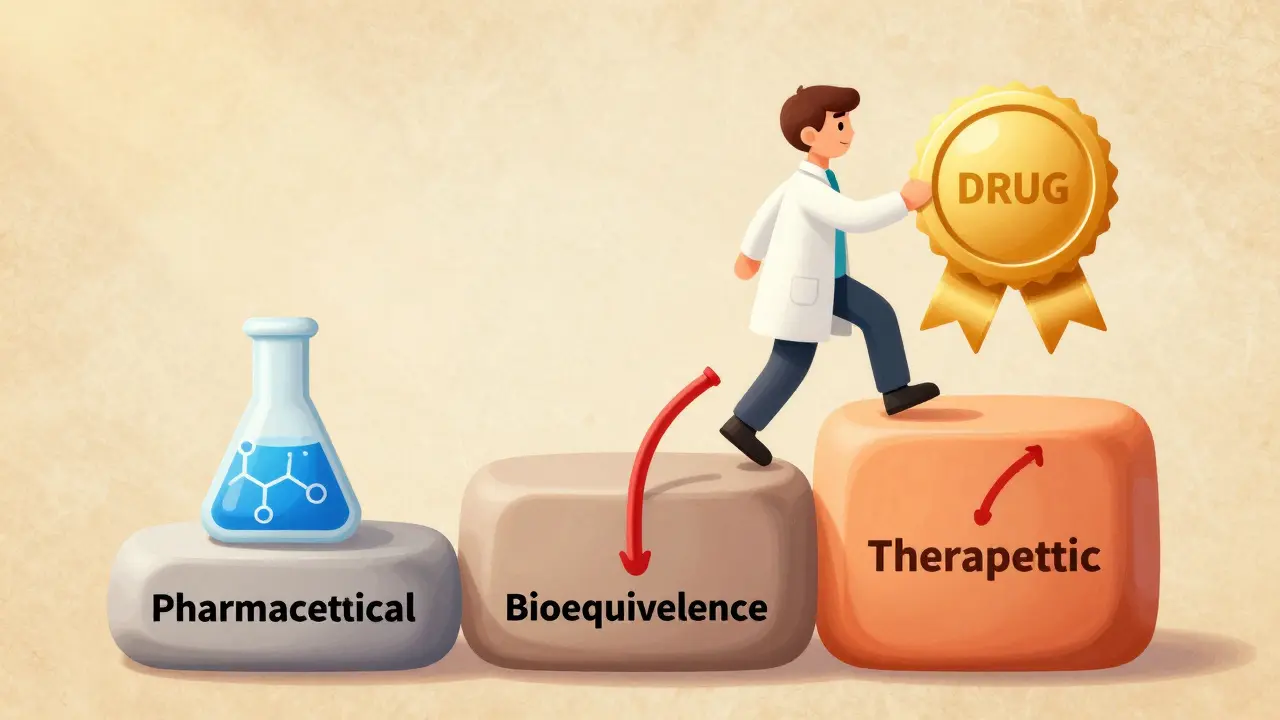
It is a common mistake to think that pharmaceutical equivalence is the final step. In reality, it's just the first hurdle in a three-tier system. You can't have a therapeutically equivalent drug without first proving it is pharmaceutically equivalent.
First is pharmaceutical equivalence, which focuses on the physical and chemical makeup. Next is bioequivalence . This is where the FDA checks how the drug actually behaves in a human body. They look at the "Area Under the Curve" (AUC) and the maximum concentration (Cmax) to ensure the drug hits the bloodstream at the same rate and extent as the brand. The acceptable range here is 80% to 125%, which accounts for natural biological differences between people.
The final tier is therapeutic equivalence . A drug reaches this status when it's expected to have the same clinical effect and the same risk of side effects as the original. This is the "gold seal" that allows pharmacists to swap drugs automatically.
| Tier | Focus | Key Requirement | Goal |
|---|---|---|---|
| Pharmaceutical | Chemistry/Physical | Same API, Strength, Dosage | Identical Composition |
| Bioequivalent | Pharmacokinetics | 80%-125% Absorption Rate | Same Bloodstream Delivery |
| Therapeutic | Clinical Outcome | Equivalent Effect & Safety | Interchangeability |
The "Orange Book" and the AB Rating
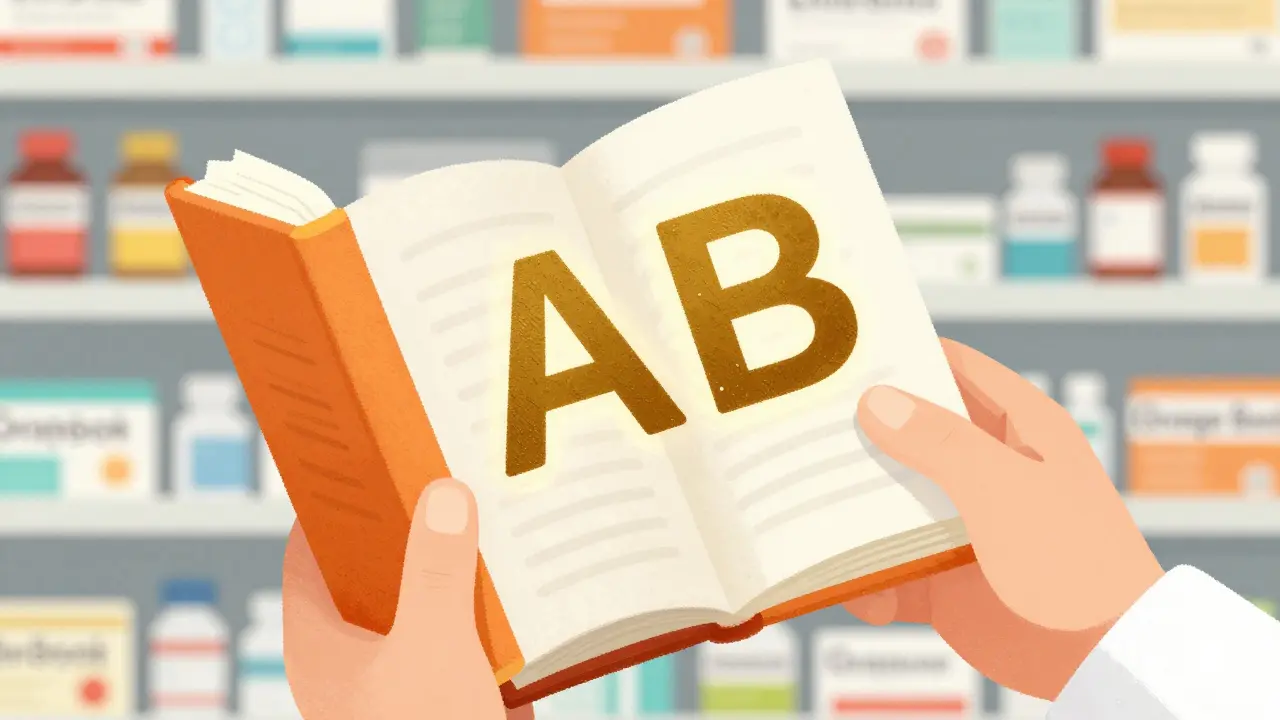
If you want to know if a generic is truly equivalent to a brand, you look at the Orange Book (officially known as Approved Drug Products with Therapeutic Equivalence Evaluations). This is the master list used by almost every pharmacy in the US. When a pharmacist looks up a drug, they are looking for a specific code: AB.
An "A" rating means the drug is bioequivalent. A "B" rating means there are some differences, but they aren't clinically significant. When you see "AB," it means the drug is both pharmaceutically and bioequivalent. As of mid-2024, there are over 15,000 approved generics, and the vast majority are rated AB. If a drug is rated BX or BZ, it means it's not therapeutically equivalent, and the pharmacist cannot swap it without a doctor's explicit permission.
Where the System Faces Challenges
While the system works for most medicines, it isn't perfect. Some drugs are known as narrow therapeutic index (NTI) drugs. This means the window between a dose that works and a dose that is toxic is very small. For drugs like warfarin (a blood thinner), even a tiny variation in how the drug is absorbed can be dangerous. In these cases, pharmaceutical equivalence is a starting point, but doctors often keep patients on the exact same brand to avoid any fluctuation.
Complex generics also pose a problem. Think of inhalers or topical steroids. For these, the API might be identical, but the delivery mechanism-the way the spray reaches your lungs-can vary. Research from Harvard Medical School has pointed out that for these complex products, simply having the same ingredients doesn't always guarantee the same result in the patient.
What This Means for You and Your Wallet
The real-world impact of these standards is massive. By allowing generic companies to prove pharmaceutical equivalence through an Abbreviated New Drug Application (ANDA) instead of running 10-year clinical trials, the government has slashed the cost of medicine. The Generic Pharmaceutical Association reports that this framework has saved the US healthcare system over $2 trillion since 2009.
If you are switching to a generic, here are a few practical tips:
- Check the ingredients: If you have a known allergy to a specific dye or filler (like lactose or gluten), ask the pharmacist to check the excipients, as these can differ between equivalents.
- Don't panic over the look: If your pill changes from blue to white, it doesn't mean the medicine is weaker; it just means the manufacturer changed the inactive filler.
- Talk to your doctor about NTI drugs: If you're on a high-stakes medication with a narrow therapeutic window, ask your provider if switching brands is safe for your specific condition.
Does a generic drug have less active ingredient than the brand name?
No. Pharmaceutical equivalence requires that the generic contains the exact same amount of the active pharmaceutical ingredient (API). There is a common myth that generics only contain 80% of the drug; this is a misunderstanding of the bioequivalence range (80-125%), which refers to how the body absorbs the drug, not how much is in the pill.
Why do some generics look different if they are equivalent?
Pharmaceutical equivalence only requires the active ingredients to be the same. Inactive ingredients, such as colors, shapes, and fillers (excipients), can be different. These do not affect the medicinal potency of the drug for the vast majority of patients.
Can I always switch from a brand-name drug to a generic?
In most cases, yes, provided the generic is rated "AB" in the FDA Orange Book. However, for narrow therapeutic index (NTI) drugs, where small changes in absorption can cause serious side effects, your doctor may prefer you stay on a specific brand.
What is the FDA Orange Book?
The Orange Book is the official FDA publication that lists all approved drug products and their therapeutic equivalence ratings. Pharmacists use it to determine if a generic can be substituted for a brand-name drug without a new prescription.
What happens if I have a reaction to a generic but not the brand?
This is usually due to the excipients (inactive ingredients). While the active medicine is the same, you may be sensitive to a specific filler or dye used by the generic manufacturer. In these cases, you should notify your doctor and pharmacist to find an alternative.
Billy Wood
Save that money!!! Get the generics!!!
Mary Johnson
The 80-125% range is exactly where they hide the truth from us. Why is there a 45% variance allowed in the bloodstream? That is a massive gap for the FDA to just shrug off as biological difference. It is obvious they are cutting corners to let big pharma make more money on the back end while we take the risk with these subpar substitutes. I bet those fillers they mention are just placeholders for things they aren't allowed to list on the label.
Brooke Mowat
It is kinda wild how we just trust the vibez of a pill based on a book. Like, the actual physical form is just a vessel for the soul of the med, ya know? Its a total kaleidoscope of chemestry that just happens to be the same but diffrent at the same time. Truly a trip to think about how our bodies interpret these little sugar pills with a tiny bit of spark in them lol.
Clint Humphreys
I totally appreciate the breakdown here, really friendly guide, but we have to look at the deeper patterns of who actually benefits from the ANDA process because if you analyze the flow of capital from the generic manufacturers back into the lobbying arms of the government, it becomes pretty clear that the AB rating is more of a legal shield than a medical guarantee. I've spent years looking into the pharmacokinetic data and there is a recurring trend where the most profitable generics are the ones that barely scrape by that 80% threshold, which is just a fancy way of saying they are barely functional but legally compliant. It is honestly a tragedy that we have to navigate this labyrinth of bureaucracy just to make sure our blood thinners actually thin our blood and not just act as a placebo for the masses who don't know how to read the Orange Book.
Princess Busaco
Of course the author thinks this is a "practical guide" when in reality it is just a sanitized version of a broken system that ignores the holistic experience of the patient in favor of cold, hard HPLC numbers. I find it absolutely laughable that anyone believes a 25% variance in absorption is "equivalent" just because some bureaucrat in a suit decided it was acceptable for the average person, even though we all know that the average person is a myth and individual biochemistry is far too complex to be captured by a simple AUC graph. This whole approach is just a symptom of a society that values profit margins and efficiency over the actual sanctity of human health, and honestly, if you're okay with a generic that might only be 80% as effective as the brand, you're basically just gambling with your own life for the sake of a few dollars.
Milo Tolley
The pharmacokinetic profile is absolutely critical!!! The Cmax and AUC parameters are the only things that matter here!!! If the bioequivalence is off, the whole therapeutic window collapses!!! Absolute disaster!!!
Tabatha Pugh
Actually, most people don't realize that the Orange Book is updated frequently and the AB rating can change if the manufacturer changes their synthesis process, which I'm sure many of you didn't know since you just blindly follow your pharmacist. I've seen several cases where a patient switched from one generic to another and had a completely different reaction because of the excipients, even though both were rated AB.
john chiong
imagine paying extra for a brand name just for the fancy packaging and a little bit of blue dye thats just plain greedy of the pharma companies to charge a premium for the exact same molecule when the generic does the job just as well without the corporate markup