
Pharmaceutical Equivalence for Generics: A Practical Guide
Learn what pharmaceutical equivalence actually means for generic drugs, how the FDA ensures safety via the Orange Book, and why some generics look different but work the same.
Read More
Learn what pharmaceutical equivalence actually means for generic drugs, how the FDA ensures safety via the Orange Book, and why some generics look different but work the same.
Read More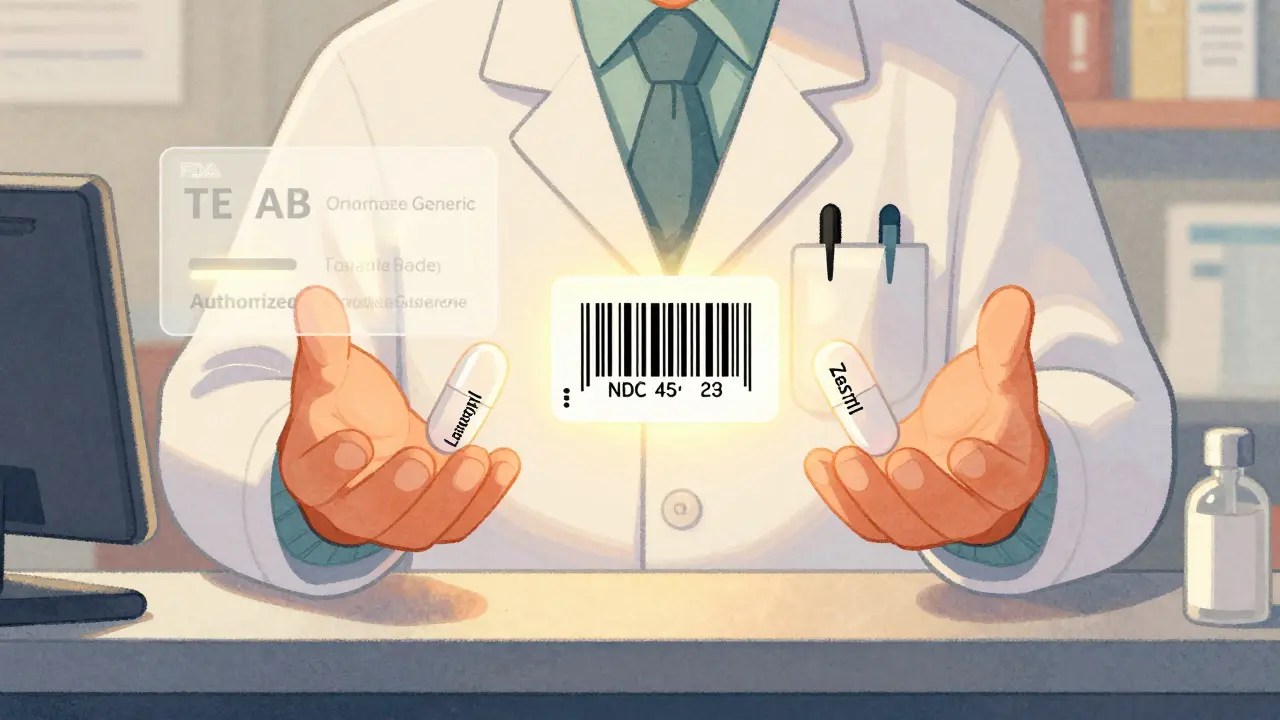
Learn how pharmacy systems accurately distinguish between generic and brand drugs using NDC codes, TE classifications, and FDA guidelines. Best practices for safe, compliant, and cost-effective drug dispensing.
Read More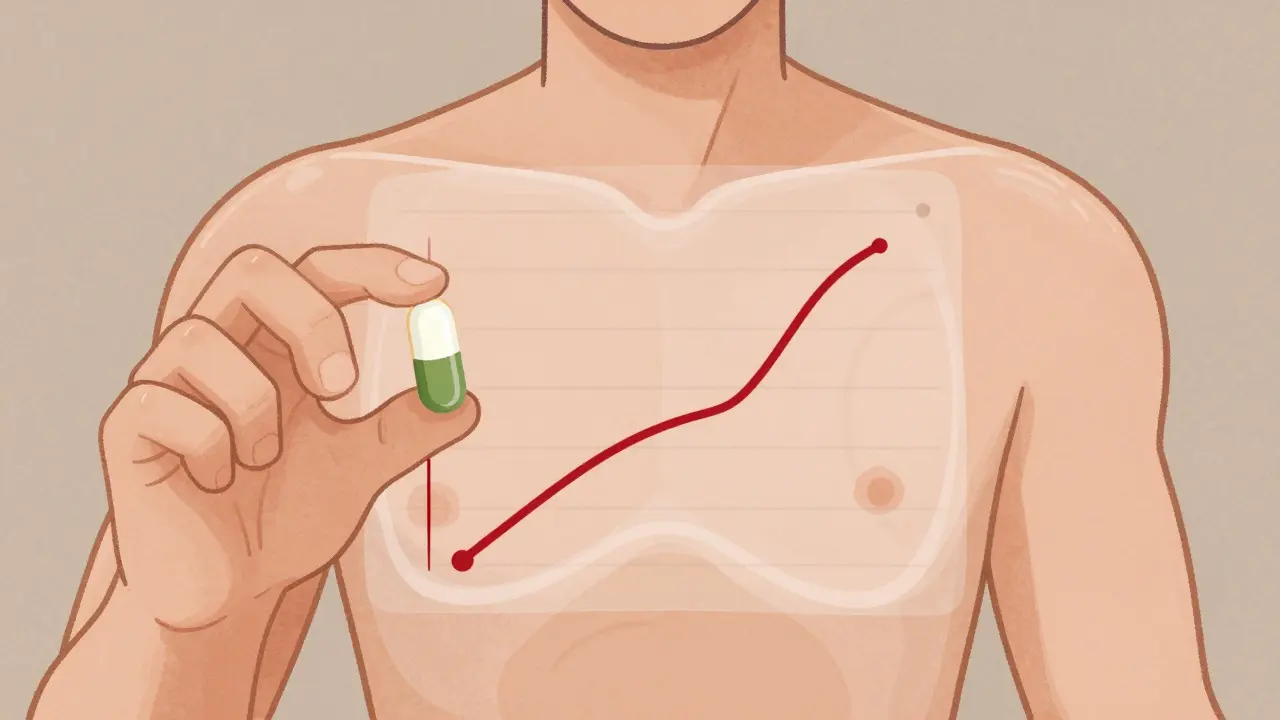
Bioequivalent medications are generic drugs proven to work the same as brand-name versions in your body. Learn how the FDA tests them, why they’re safe for most people, and when to watch for differences.
Read More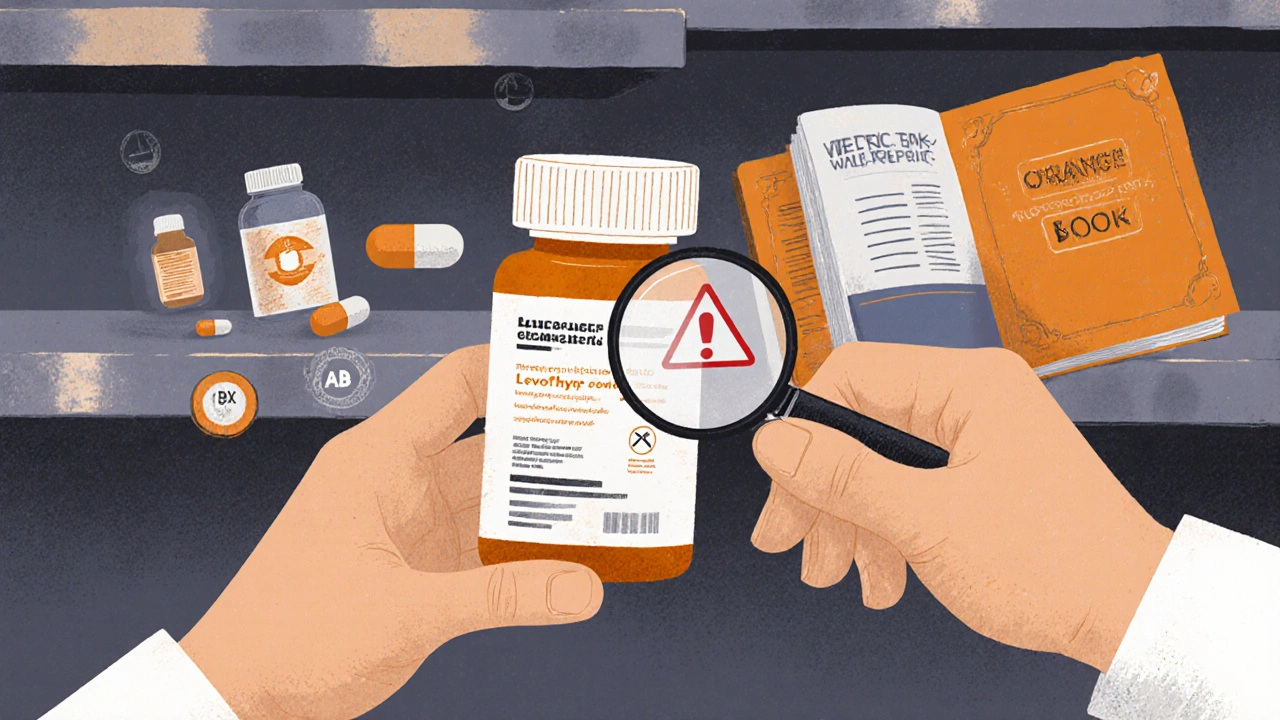
Generics save money but aren't always interchangeable. Pharmacists must know when to flag problematic ones-especially for narrow therapeutic index drugs like levothyroxine or warfarin. Learn the signs, the tools, and the steps to protect patients.
Read More