
Naloxone Co-Prescribing Eligibility Checker
Patient Risk Factors
Check applicable clinical history:
Enter patient data and click "Assess Risk Level" to see recommendations based on CDC/HHS guidelines.
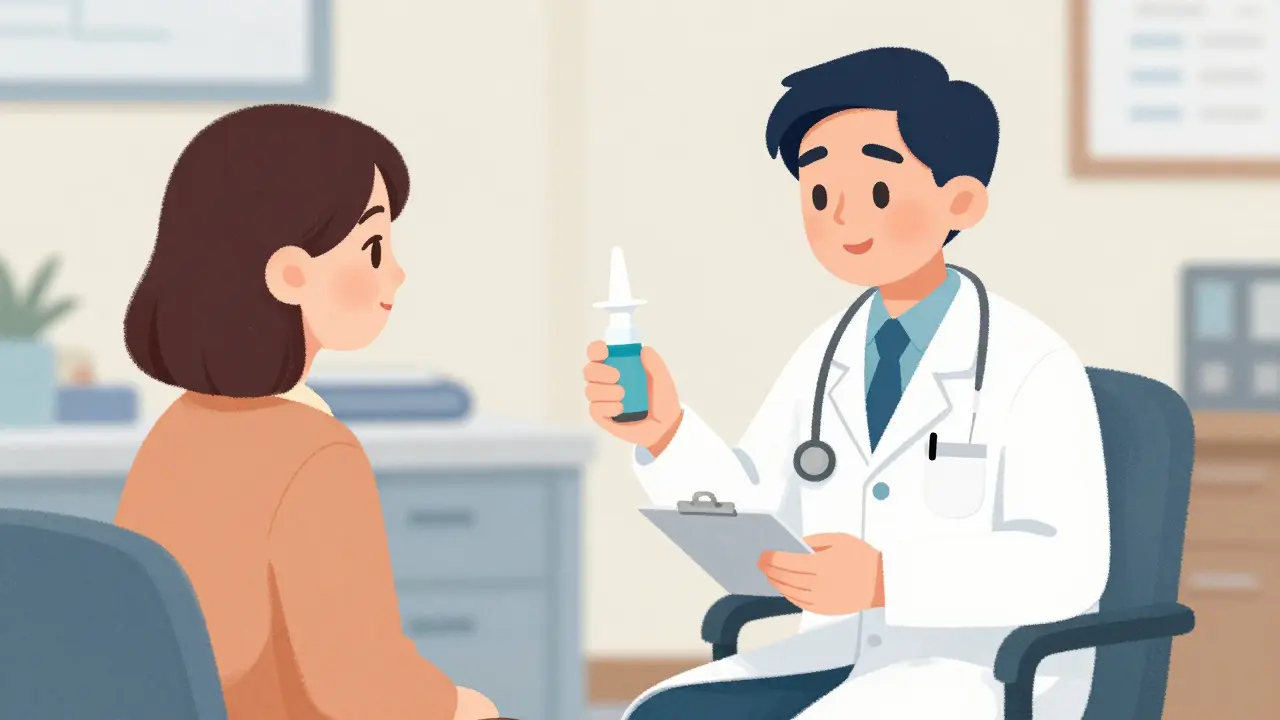
Imagine you are a doctor sitting across from a patient who needs strong pain relief. You prescribe opioids because the pain is severe and other options haven't worked. But you also know the risk: one too many pills, mixed with alcohol or sleep medication, can stop breathing in minutes. This is where Naloxone co-prescribing is the clinical practice of simultaneously prescribing naloxone, an opioid antagonist, alongside opioid analgesics to patients at risk of overdose. It’s not about accusing your patient of addiction. It’s about giving them a safety net, just like wearing a seatbelt.
This approach has shifted from a niche recommendation to a standard of care. Back in 2016, the Centers for Disease Control and Prevention (CDC) issued a guideline that changed how we think about opioid therapy. They recommended offering naloxone when specific risk factors are present. Today, this practice saves lives by ensuring that if an overdose happens, someone nearby can reverse it immediately.
Understanding Naloxone and How It Works
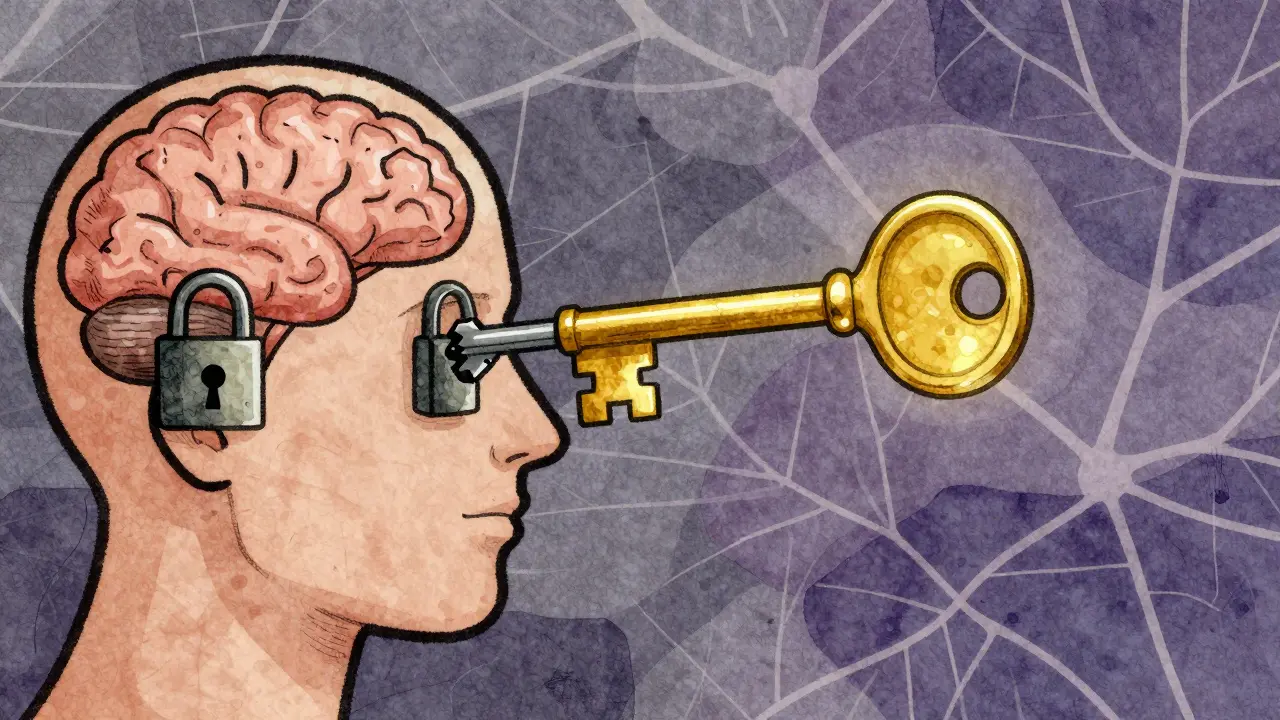
To understand why co-prescribing matters, you first need to know what naloxone does. Naloxone is a medication that rapidly reverses opioid overdose by competitively binding to opioid receptors with greater affinity than opioids themselves. Think of opioids as keys that lock into receptors in your brain and body, slowing down heart rate and breathing. Naloxone is like a master key that kicks those opioid keys out of the locks instantly.
When someone overdoses on opioids, their breathing slows until it stops. This respiratory depression is what kills. Naloxone restores normal breathing within minutes. It doesn’t make the person high; it simply neutralizes the opioid effects. The drug was approved by the FDA in 1971, but its role in community-based overdose prevention has grown significantly in recent years.
There are different ways to take naloxone, but for co-prescribing, two forms dominate:
- Intranasal Spray: Brands like Narcan® or generic versions come in a pre-filled nasal spray. It’s easy to use, requires no needles, and works quickly. Most patients prefer this because bystanders or family members can administer it without medical training.
- Injectable Form: Available as intramuscular or subcutaneous injections. These are often part of generic kits that include syringes and vials. While effective, they require more comfort with needles, which can be a barrier for some users.
Who Should Receive Naloxone?
You might wonder, "Do I need this?" The answer depends on several risk factors. The CDC and the Department of Health and Human Services (HHS) have clear criteria. If any of these apply to you or your patient, co-prescribing is strongly recommended:
- High Dosage: Taking 50 morphine milligram equivalents (MME) per day or more. At this level, the risk of overdose doubles compared to lower doses. For context, 30 mg of oral morphine equals 20 mg of oxycodone or 15 mg of hydrocodone.
- History of Overdose: A past non-fatal overdose is the strongest predictor of a future fatal one.
- Substance Use Disorder: A diagnosed history of substance abuse increases vulnerability.
- Concurrent Medications: Using benzodiazepines (like Xanax or Valium) or sleeping pills alongside opioids drastically increases respiratory depression risk.
- Respiratory Conditions: Diseases like COPD or obstructive sleep apnea already compromise breathing, making opioid-induced suppression more dangerous.
- Recent Incarceration Release: People released from jail or prison often have lost their tolerance to opioids, making them highly susceptible to overdose upon returning to previous dosages.
The HHS guidance expanded these criteria in 2020 to include patients using stimulants like methamphetamine or cocaine, due to the rising threat of fentanyl contamination in illicit drug supplies. Even if you only take prescribed opioids, cross-contamination risks mean naloxone is a wise precaution.
The Clinical Workflow: How Doctors Implement Co-Prescribing
Implementing co-prescribing isn’t complicated, but it requires a structured approach. The CDC’s implementation guide suggests a three-step process that takes about 5-7 minutes of additional clinical time.
Step 1: Risk Assessment. Before writing the prescription, check the Prescription Drug Monitoring Program (PDMP) data. Look for patterns like multiple prescribers or early refills. Combine this with clinical factors like age, mental health status, and social support.
Step 2: Patient Education. This is the hardest part for many clinicians. You have to talk about overdose without sounding judgmental. Use the “S.L.A.M.” framework recommended by the Indian Health Service:
- Signs of overdose (unresponsiveness, pinpoint pupils, slow breathing)
- Life-saving steps (call 911 immediately)
- Administer naloxone (demonstrate how to use the nasal spray)
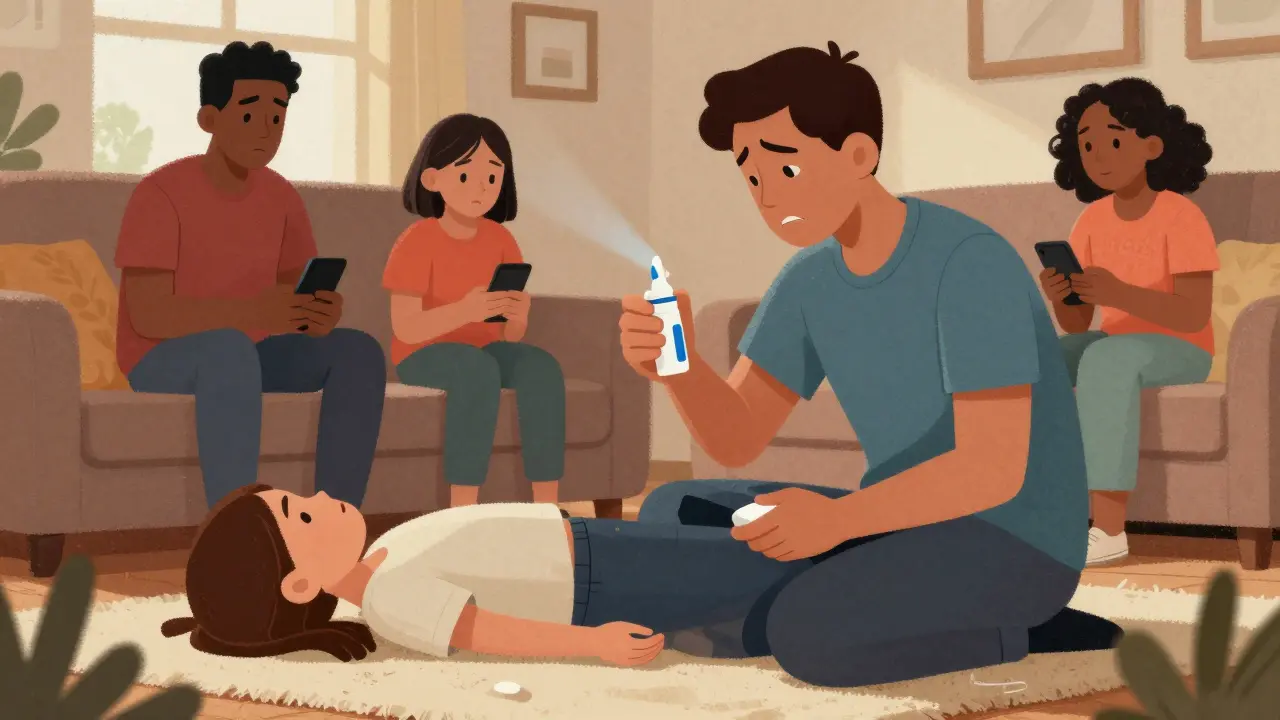
- Monitor until help arrives (be prepared to give a second dose if needed)
Step 3: Prescription and Documentation. Write the prescription for naloxone. In many states, standing orders allow pharmacists to dispense naloxone even without a specific doctor’s order, but having it on the record ensures insurance coverage. Document the risk assessment and education provided in the Electronic Health Record (EHR). Many large health systems now use standardized templates for this to ensure consistency.
Addressing Stigma and Patient Resistance
One of the biggest hurdles isn’t medical-it’s emotional. Studies show that nearly half of patients initially refuse naloxone because they feel stigmatized. They interpret the offer as the doctor saying, "I think you’re going to die." This perception needs to be dismantled.
Effective communication reframes naloxone as a routine safety measure. Compare it to carrying a fire extinguisher in your car. You hope never to use it, but you’d regret not having it if there was a fire. Dr. Michael Chen, a primary care physician in rural Kentucky, reported that after adopting systematic co-prescribing for patients over 50 MME/day, his clinic documented 17 overdose reversals by family members. Those families later thanked him for overcoming their initial hesitation.
Patient testimonials reinforce this. Sarah Johnson, a chronic pain patient in Ohio, admitted she was offended when her doctor first prescribed naloxone. But when her teenage son accidentally took her pills, the nasal spray saved his life. Her story highlights that naloxone protects not just the patient, but everyone in their household.
Cost, Access, and Insurance Coverage
Access to naloxone has improved dramatically, but disparities remain. The SUPPORT for Patients and Communities Act of 2018 was a game-changer. It mandated that Medicare Part D and Medicaid cover naloxone with minimal or no copay. As a result, covered prescriptions increased by 200% between 2018 and 2020.
Without insurance, costs vary. Generic naloxone kits range from $25 to $50 at major pharmacy chains. Brand-name Narcan® nasal spray retails for approximately $130-$150. However, most major insurers now cover it fully. Additionally, 49 states have standing orders allowing pharmacists to dispense naloxone directly, bypassing the need for a doctor’s visit in emergencies.
Geographic gaps persist. Urban pharmacies stock naloxone consistently (85%), while rural pharmacies lag behind (42%). This creates a dangerous divide for patients in remote areas who may not have quick access to emergency services anyway.
| Feature | Intranasal Spray (e.g., Narcan®) | Injectable Kit (Generic) |
|---|---|---|
| Administration Route | Nasal (Non-invasive) | Intramuscular/Subcutaneous (Needle) |
| Ease of Use for Bystanders | High (Pre-filled, intuitive) | Low (Requires assembly and injection skill) |
| Typical Cost (Without Insurance) | $130-$150 (Brand), $40-$60 (Generic) | $25-$50 |
| Storage Requirements | Room temperature, stable | May require cooler temperatures depending on formulation |
| Insurance Coverage | Widely covered under SUPPORT Act | Widely covered under SUPPORT Act |
Regulatory Landscape and State Mandates
Federal guidelines set the stage, but state laws drive enforcement. As of September 2024, 24 states have naloxone co-prescribing requirements. These mandates vary in strictness:
- New York: Requires offering naloxone to all patients receiving opioid prescriptions, regardless of dose.
- California: Mandates offering naloxone to patients receiving opioids exceeding 90 MME/day.
- Other States: Many require offering it to high-risk patients defined by specific clinical criteria.
The DEA’s 2023 policy change further expanded access by allowing pharmacists to dispense up to 50 doses of naloxone under federal standing orders. This complements state-level efforts and reduces bureaucratic barriers.
However, implementation is inconsistent. A 2024 GAO report noted that despite guidelines, only 38% of high-risk patients actually receive naloxone. This gap highlights the need for continued provider education and policy enforcement.
Future Directions and Emerging Technologies
The landscape of overdose prevention is evolving. The National Institutes of Health’s HEAL Initiative is investing billions into research, with 30% allocated to improving naloxone delivery systems. One exciting development is the anticipated FDA approval of long-acting naloxone formulations currently in Phase III trials. These could provide extended protection against overdose, reducing the need for immediate administration.
Additionally, community-based distribution programs are expanding. The HHS allocated $100 million in 2023 to distribute 1.2 million naloxone kits to harm reduction organizations. This shifts the focus from purely clinical settings to community hubs, schools, and shelters, ensuring broader reach.
As fentanyl remains prevalent in the drug supply, the importance of naloxone co-prescribing will only grow. It is not a cure for the opioid epidemic, but it is a critical tool in saving lives while longer-term solutions are developed.
Is naloxone addictive?
No, naloxone is not addictive. It has no psychoactive effects and does not produce a high. It simply blocks opioid receptors temporarily. Once it wears off (usually within 30-90 minutes), the opioid effects may return, which is why calling 911 is crucial even after administering naloxone.
How much does naloxone cost with insurance?
Under the SUPPORT Act of 2018, most major insurers, including Medicare Part D and Medicaid, cover naloxone with little to no copay. Without insurance, generic kits cost $25-$50, while brand-name Nasal sprays range from $130-$150.
What are the signs of an opioid overdose?
Key signs include unresponsiveness (cannot be awakened), pinpoint pupils, slow or stopped breathing, and blue or gray discoloration of lips or fingernails. Choking or gurgling sounds may also occur.
Can I buy naloxone without a prescription?
Yes, in 49 states, pharmacists can dispense naloxone under standing orders without a doctor’s prescription. Federal law also supports this through DEA policies. Check your local pharmacy or state health department for specific access rules.
Why do doctors recommend naloxone for pain patients?
Doctors recommend naloxone as a harm reduction strategy. Even responsible patients can experience accidental overdoses due to changes in metabolism, interactions with other medications, or accidental ingestion by others in the household. It provides a critical safety net.
Brett Aungst
Look, I've been prescribing opioids for chronic pain for over a decade and this co-prescribing model is the only thing keeping my patients alive honestly. The stigma part is real though, you have to frame it right or they walk out the door angry. Just tell them it's like a fire extinguisher in your glovebox, nobody wants to use it but god forbid you need it. I started using the S.L.A.M. framework mentioned here and it actually works wonders for breaking the ice without making it feel like an accusation of addiction.
Vinay Bairagi
This is pure western decadence enabling drug abuse instead of fixing the root cause which is moral decay and lack of discipline in society. We do not need more pills to kill ourselves we need strength of character and traditional values that are being eroded by these progressive medical policies that treat symptoms rather than the human spirit itself. It is pathetic that doctors now carry around antidotes because they cannot control their own prescriptions or their patients' weaknesses.
Blythe Ward
oh how quaint 🙄 the idea that a nasal spray fixes the systemic failure of our healthcare industrial complex is adorable really. most people here don't even understand the pharmacokinetics involved let alone the socio-economic barriers to access in rural areas where the pharmacy might be 50 miles away and closed on sundays. stop pretending this is a silver bullet when it's just another band-aid on a gunshot wound inflicted by big pharma profits 💉📉
Casey Eickhoff
It is profoundly important to consider the ethical dimensions of harm reduction; while some may view naloxone as enabling, one must recognize that preserving life is the paramount duty of any medical practitioner. The comparison to seatbelts is not merely rhetorical but deeply philosophical, suggesting that safety measures are not admissions of guilt but acknowledgments of human fallibility and risk. We must engage with this topic with grace and precision, ensuring that our language reflects respect for those suffering from pain and addiction alike.
Ellen Zeman
i totally get why ppl hesitate tho its scary to think u might overdose but hey better safe than sorry right? i had my son take his pills by accident and that narcan saved him literally so yeah keep pushing this stuff dont let the haters win. its all about community care and looking out for each other no matter what ur situation is love yall 💖
Mark Smalley
I really appreciate this comprehensive breakdown, thank you for sharing! It’s comforting to know that there are clear protocols in place for such critical situations. I’ve always felt a bit uneasy about the opioid conversation, but seeing the structured approach helps demystify it. Let’s continue to support each other through these challenges, okay?
Marlon Tomio
Moral hazard is the elephant in the room. By providing the antidote, we implicitly encourage the reckless behavior. It is a slippery slope of permissiveness. Society should demand abstinence, not mitigation. The system is broken because it prioritizes comfort over consequence.
Sherrie Trecker
Oh, please. Spare me the sanctimonious lecture on 'safety nets.' This is nothing more than institutionalized negligence dressed up in bureaucratic jargon. You are essentially telling patients, 'Go ahead, mess up, and we will clean it up for you.' It is utterly repulsive how we have normalized dependency to the point where reversing death is considered a routine office visit procedure. Disgusting.
rob van oudernallern
yeah i mean if it saves lives then cool i guess. i dont really follow the politics behind it but my cousin got into trouble with pills and having that spray around probably wouldve helped. just wish it was cheaper for everyone tho insurance stuff is a nightmare lol
Mary Howarth
Wow, this is such an incredibly hopeful perspective on a very dark issue! I am so glad that initiatives like the SUPPORT Act are making strides in accessibility because every single life matters immensely! Imagine the ripple effect of saving one person, their family, their friends, their community-it is truly beautiful to see science and policy working together for the greater good! Let us keep spreading awareness and kindness!
Sean Estabrooks
The FDA approval timeline is manipulated by corporate lobbyists who want to delay generic competition until their patent cliffs expire. The 'long-acting' formulations are likely surveillance devices disguised as pharmaceutical interventions. Wake up sheeple, the HHS funding is a front for population control metrics tied to opioid tolerance levels. They want you dependent on the state for your next breath.
Alana Frassinelli
i hear what you are saying about the cost and access issues and it is really sad that rural areas are left behind like that. it feels like the system is designed to fail certain groups of people while protecting the interests of big pharma and urban centers. i just wish we could talk more about the human side of this instead of just the stats and regulations because at the end of the day it is about people who are hurting and scared and trying to survive.