
Antidepressant Withdrawal Symptom Checker
Select Your Symptoms
Check all that apply based on the FINISH mnemonic.
F - Flu-like
Fatigue, lethargy, muscle aches, headaches.I - Insomnia
Trouble sleeping, vivid dreams, or nightmares.N - Nausea
GI upset, vomiting, diarrhea.I - Imbalance
Dizziness, vertigo, unsteadiness.S - Sensory Disturbances
Brain zaps (electric shocks), tingling.H - Hyperarousal
Anxiety, agitation, irritability.Select your symptoms and click Analyze to see if they match the profile of discontinuation syndrome.
Analysis Result
Recommended Action:
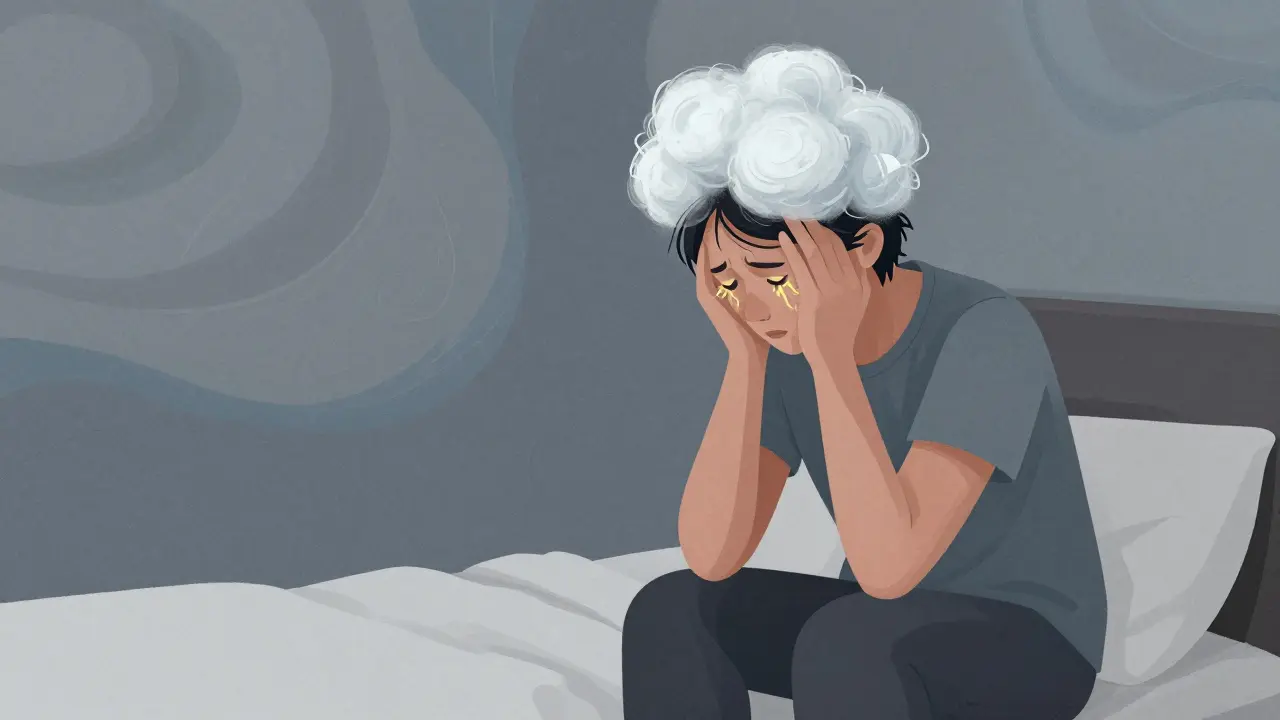
Imagine your head suddenly feeling like it’s filled with cotton wool. You feel nauseous, dizzy, and experience strange electric shock sensations behind your eyes just by moving them. If you’ve recently stopped taking an antidepressant, this isn’t a relapse of depression-it’s likely Antidepressant Discontinuation Syndrome, also known as antidepressant withdrawal. It is a physical reaction to the absence of medication, not a sign that you are psychologically addicted.
This condition affects a significant number of people who stop their meds too quickly or without a proper plan. Understanding what happens in your brain and body during this process can save you from unnecessary panic and misdiagnosis. Let’s look at exactly what causes these symptoms, how long they last, and the safest way to manage them.
What Is Antidepressant Discontinuation Syndrome?
When you take antidepressants, such as SSRIs or SNRIs, your brain adapts to the increased levels of neurotransmitters like serotonin and noradrenaline. Over time, your neurons adjust their receptors to maintain balance. This is called neuroadaptation. When you abruptly remove the drug, your brain is left in a state of imbalance because it hasn’t had time to readjust to lower neurotransmitter levels.
The term "discontinuation syndrome" was originally coined by pharmaceutical companies to distinguish this physical dependence from the psychological addiction seen with substances like opioids or benzodiazepines. However, leading experts like Dr. David Healy argue that it is essentially a classical withdrawal syndrome. The key difference is that while antidepressants don’t cause substance use disorders, they do create physical dependence that requires careful management when stopping.
According to guidelines from the Royal College of Psychiatrists (2022) and the American Academy of Family Physicians (AAFP), this syndrome occurs after at least one month of continuous use. It is a recognized medical condition, not a personal failure or a return of your original mental health issues.
Common Symptoms: The FINISH Mnemonic
Symptoms can vary widely from person to person, but they generally fall into specific categories. Doctors often use the mnemonic FINISH to help identify them:
- Flu-like symptoms: Fatigue, lethargy, muscle aches, headaches, and general malaise. Studies show fatigue occurs in up to 78% of cases.
- Insomnia: Trouble sleeping, vivid dreams, or nightmares. About 65% of people report sleep disturbances.
- Nausea: Gastrointestinal upset, including vomiting and diarrhea, affecting nearly 60% of patients.
- Imbalance: Dizziness, vertigo, and gait instability. You might feel unsteady on your feet.
- Sensory disturbances: Paresthesia (tingling) and the infamous "brain zaps." These are described as electric shock sensations in the head, often triggered by eye movement. They affect about 63% of those experiencing withdrawal.
- Hyperarousal: Anxiety, agitation, irritability, and inner restlessness (akathisia).
Other symptoms include mood swings, anger, difficulty concentrating, and a sensation of derealization (feeling detached from reality). The NHS notes that headaches and aching joints are also very common. It’s crucial to know that these symptoms usually start within two to four days of stopping the medication, sometimes even hours after a missed dose if the drug has a short half-life.
Why Some Drugs Cause Worse Withdrawal
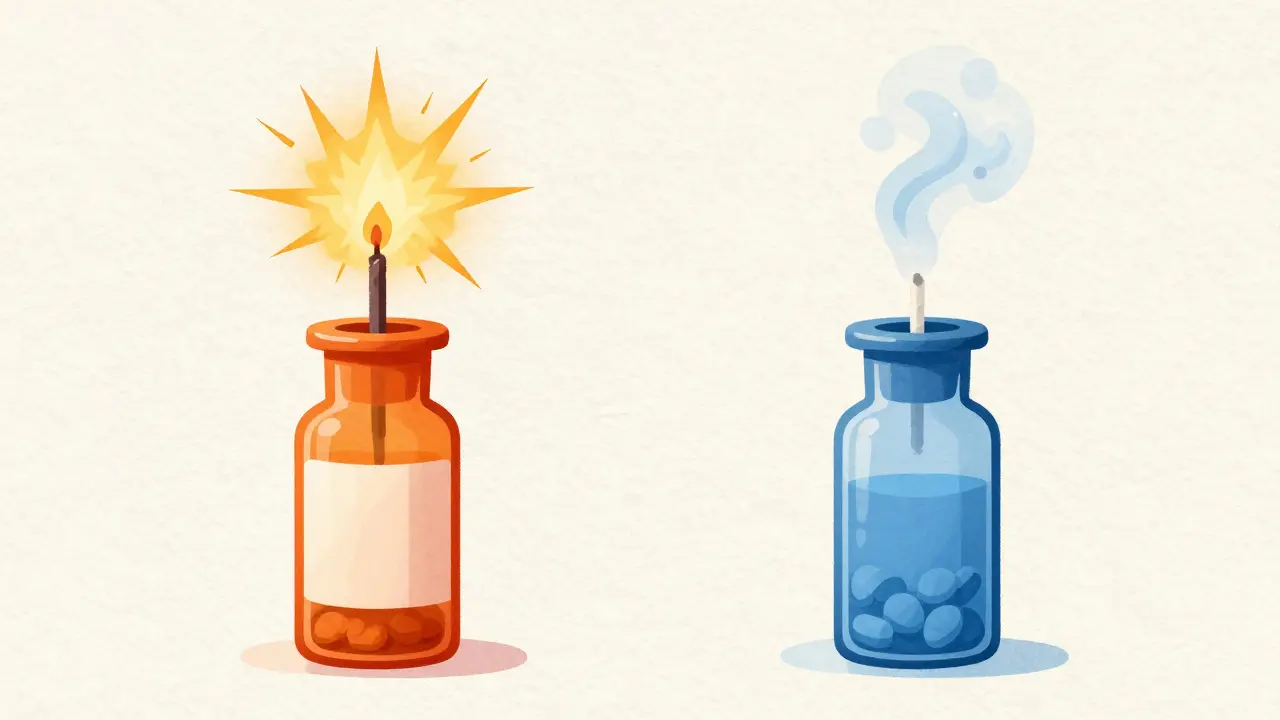
Not all antidepressants are created equal when it comes to withdrawal severity. The biggest factor is the drug’s half-life, which is the time it takes for the concentration of the drug in your blood to reduce by half.
| Drug Class | Example Medication | Half-Life | Withdrawal Severity |
|---|---|---|---|
| SSRI | Paroxetine | ~21 hours | High |
| SNRI | Venlafaxine | 5-11 hours | Very High |
| SSRI | Fluoxetine | 4-6 days | Low |
| TCA | Amitriptyline | Varies | Moderate to High |
Drugs with short half-lives, like Venlafaxine and Paroxetine, leave your system quickly. This rapid drop in blood concentration shocks the brain, leading to more intense symptoms. In contrast, Fluoxetine stays in your body for days, acting almost like a natural taper, which results in milder withdrawal experiences. Tricyclic antidepressants (TCAs) can cause unique movement problems like stiff muscles and tremors, while Monoamine Oxidase Inhibitors (MAOIs) carry the risk of severe psychiatric symptoms if stopped abruptly.
Discontinuation Syndrome vs. Relapse: How to Tell the Difference
One of the most confusing aspects of stopping antidepressants is distinguishing between withdrawal and the return of depression or anxiety. Misdiagnosis is common; the AAFP reports that 38% of cases are initially misinterpreted as relapses.
Here is the key difference: Timing and Response to Reintroduction.
Withdrawal symptoms appear rapidly-within days or even hours of missing a dose. If you restart the medication, these symptoms typically resolve within 72 hours. Relapse, on the other hand, develops slowly over weeks or months. Restarting the med won’t fix a relapse immediately; it will take time for the therapeutic effect to build back up. Additionally, withdrawal includes physical symptoms like dizziness and brain zaps, which are not typical features of depressive relapse.
Management and Tapering Strategies
The best way to handle discontinuation syndrome is prevention through a slow, individualized taper. Abrupt cessation increases the risk of severe symptoms by 3.2 times compared to a gradual reduction.
- Plan Ahead: Never stop cold turkey. Work with your prescriber to create a schedule. The NIH recommends tapering over six to eight weeks minimum.
- Go Slow: Reduce the dose by small increments. For example, reduce by 10% every few weeks rather than cutting the dose in half each week.
- Switch if Necessary: If you are on a short-half-life drug like Venlafaxine, your doctor might switch you to Fluoxetine temporarily to ease the transition, then taper off the Fluoxetine.
- Monitor for Protracted Symptoms: While most symptoms resolve in 1-2 weeks, some people experience protracted withdrawal lasting months. Recent studies suggest up to 18.7% of patients have symptoms beyond three months. If this happens, seek support immediately.
If you accidentally miss a dose and feel symptoms, taking the missed dose or a small amount of the medication usually resolves the issue quickly. However, always consult your healthcare provider before making changes to your regimen.

Patient Experiences and Community Insights
Medical literature often underestimates the duration and intensity of withdrawal. Online communities like Surviving Antidepressants highlight that many patients face longer recovery periods than textbooks suggest. Surveys indicate that 73% of community members experienced symptoms lasting longer than the commonly cited two weeks. Common complaints include persistent brain zaps, severe nausea, and emotional volatility.
This disconnect between clinical guidelines and patient reality underscores the need for doctors to listen carefully to their patients’ experiences. If your symptoms persist, it doesn’t mean you’re imagining them. It may mean your taper needs to be slower or that you require supportive care for a longer period.
Special Considerations: Pregnancy and Generic Switches
Pregnancy is a critical time when women often consider stopping antidepressants. About 41% of pregnant women discontinue meds without consulting a doctor, risking both withdrawal symptoms and potential relapse. The Royal College of Psychiatrists advises vigilance during this period, emphasizing that the risks of untreated depression must be weighed against withdrawal risks.
Another hidden trigger is switching generic formulations. Not all generics are bioequivalent. A change in manufacturer can alter the absorption rate slightly, triggering discontinuation symptoms even if the dosage remains the same. If you notice new symptoms after a pharmacy switch, inform your doctor.
How long does antidepressant withdrawal last?
For most people, symptoms emerge within 2-4 days and resolve within 1-2 weeks. However, protracted withdrawal can last several months, with recent studies showing 18.7% of patients experiencing symptoms beyond 3 months.
What are "brain zaps"?
Brain zaps are sensory disturbances described as electric shock sensations in the head, often triggered by eye movement. They are a hallmark symptom of SSRI and SNRI withdrawal, affecting about 63% of those with discontinuation syndrome.
Can I stop my antidepressant abruptly?
No. Abrupt cessation increases the risk of severe withdrawal symptoms by 3.2 times. Always taper under medical supervision, typically over 6-8 weeks or longer depending on the drug and individual factors.
How do I know if it's withdrawal or relapse?
Withdrawal appears rapidly (days/hours) and includes physical symptoms like dizziness and brain zaps. It resolves quickly upon restarting the med. Relapse develops slowly over weeks/months and lacks these specific physical withdrawal markers.
Which antidepressants have the worst withdrawal?
Drugs with short half-lives cause more severe withdrawal. Venlafaxine (SNRI) and Paroxetine (SSRI) are known for difficult discontinuation profiles due to their rapid clearance from the body.
Cici arya Arya
oh my god this is exactly what happened to me last year when i tried quitting venlafaxine cold turkey because i thought i was 'strong' enough to just stop it. the brain zaps were terrifying, like literal electric shocks behind my eyes every time i blinked, and i felt like i was going to vomit for three days straight. nobody warned me that stopping antidepressants could feel like dying a little bit every hour, so i spent weeks thinking i was having a stroke or some kind of neurological event. if you are reading this and considering stopping your meds, please please do not do it alone because the withdrawal is no joke and it can completely derail your life if you aren't prepared. i had to go back on the medication at a lower dose and taper off over six months with liquid compounding pharmacy help, which saved my sanity in the end.
rebecca torres
most doctors still treat this like it's all in your head or just a sign that you need more therapy but the physical symptoms are real and undeniable. the half-life difference between fluoxetine and paroxetine is huge and yet many prescribers act like they're interchangeable when tapering. i switched from lexapro to prozac temporarily just to get off easier and it made such a difference because prozac stays in your system longer acting as its own buffer against the crash. people need to know that generic switches can also trigger symptoms even if the milligram count is the same because bioavailability varies by manufacturer. it's frustrating how little information patients get before starting these drugs let alone when trying to stop them.
Glenn Davis
Weakness.
Erin Livengood
i found that keeping a detailed symptom journal helped me distinguish between actual relapse and withdrawal because the timing was so different. withdrawal hit me within hours of missing a dose while the depressive thoughts took weeks to creep back in slowly. the dizziness and imbalance made me feel like i was walking on cotton wool and i almost fell down stairs twice during the worst week. switching to a slower taper schedule allowed my brain receptors to recalibrate gradually instead of being shocked into chaos. it feels like learning to walk again after forgetting how, but with added nausea and anxiety thrown into the mix for good measure.
Daniella Renzon
this post is incredibly helpful and i wish i had read something like this five years ago when i first started questioning my medication. the part about pregnancy is so important too because so many women feel pressured to quit immediately without understanding the risks involved. i supported a friend through her taper and seeing her struggle with the hyperarousal and insomnia was heartbreaking but knowing it was temporary gave us both hope. taking it slow really does make a world of difference and listening to your body is key rather than following a rigid timeline set by someone who hasn't experienced it themselves.
Cecilia McGuinness
thx for sharing this info it really helps to know im not crazy when i feel like my brain is short circuiting. i was on sertraline for years and stopped pretty fast thinking id be fine but ended up feeling sick for weeks. now im doing tiny reductions every month and it feels much better even though it takes forever. everyone should know about the brain zaps before they start so they dont panic when it happens.
Talilla Bailey
It is imperative that individuals recognize the physiological basis of discontinuation syndrome rather than dismissing it as psychological weakness. The neuroadaptation process requires careful management to ensure patient safety and well-being during the cessation phase. Abrupt discontinuation poses significant risks including severe sensory disturbances and emotional instability which can be mitigated through proper medical supervision. Patients must advocate for themselves and request detailed tapering plans from their healthcare providers to avoid unnecessary suffering. Education on this topic remains insufficient in general practice leading to preventable distress among those seeking to discontinue treatment.
Brandon Brodsky
Oh look, another article telling people they're physically addicted to happy pills. How convenient for the pharma industry to create a dependency and then sell you the solution to the problem they created. But sure, blame the brain chemistry instead of personal responsibility. I guess we shouldn't expect people to just tough it out like the rest of us did before we needed chemical assistance to function in society. Typical modern weakness wrapped up in scientific jargon to make it sound legitimate.
Christina S.
I hear you Brandon but dismissing the biological reality of neurotransmitter adaptation isn't helpful or accurate. Withdrawal is a documented medical phenomenon that affects millions of people regardless of their mental strength or character. It's not about blaming anyone but rather understanding how our bodies react to sudden changes in medication levels. Supporting each other through this difficult process means acknowledging the pain others are experiencing rather than minimizing it with sarcasm. We can all learn from sharing our experiences and finding healthier ways to manage our mental health journeys together.