
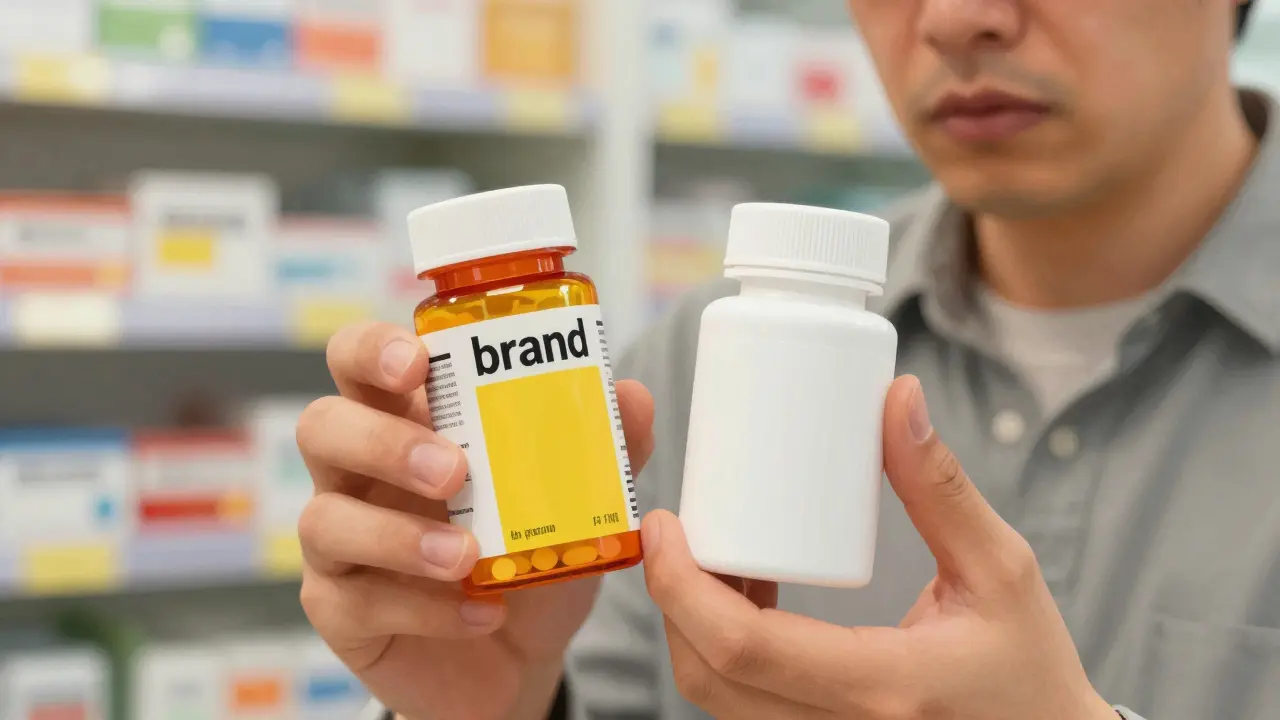
You’ve been taking your medication for years. It works. You trust it. Then one day, the pharmacy hands you a box that looks different. The name is gone. The color might be slightly off. Your heart skips a beat. Is this safe? Is it even the same drug?
This isn’t just anxiety; it’s a common experience for millions of patients navigating the complex world of authorized generics. These medications sit in a confusing middle ground between expensive brand-name drugs and cheap traditional generics. They promise to be identical to the brand but lack the familiar logo. For many, this creates doubt. For others, it offers a solution when traditional generics cause side effects.
Let’s clear up the confusion. We will break down exactly what authorized generics are, how they differ from both brand names and standard generics, and why understanding this distinction can save you money without compromising your health.
What Exactly Is an Authorized Generic?
To understand authorized generics, you first need to know how drugs get approved. When a pharmaceutical company invents a new drug, they file a New Drug Application (NDA) with the U.S. Food and Drug Administration (FDA). This process takes years and costs billions. Once approved, the company gets a patent, giving them exclusive rights to sell the drug under its brand name for a certain period.
When that patent expires, other companies can make generic versions. But here is where it gets interesting. The original brand manufacturer doesn’t have to wait for competitors. They can choose to market their own drug without the brand name on the label. This product is an authorized generic.
Think of it like this: If Coca-Cola decided to sell its exact same soda in a plain white bottle without the red logo, that would be an authorized generic. It’s the same liquid, same recipe, same source-just no branding. According to the FDA, an authorized generic is "an approved brand name drug that is marketed without the brand name on its label." Other than the missing name, it is the exact same drug product as the branded version.
This strategy emerged after the Hatch-Waxman Act of 1984, which created the pathway for traditional generics. Brand manufacturers realized they could compete with incoming generic rivals by selling their own unbranded version at a lower price point, keeping some revenue within their own ecosystem rather than losing all customers to third-party generics.
The Critical Difference: Active vs. Inactive Ingredients
Here is where most people get confused. Traditional generics must prove they are "bioequivalent" to the brand name. This means they must contain the same active ingredient-the part that actually treats your condition-in the same strength and dosage form. However, traditional generics are allowed to use different inactive ingredients.
Inactive ingredients include fillers, binders, colors, and preservatives. While these don’t treat your illness, they matter. Some patients are sensitive to dyes or lactose found in certain generic formulations. A study published in the National Center for Biotechnology Information (PMC) noted that while rare, differences in inactive ingredients can lead to adverse reactions in sensitive individuals.
Authorized generics change this dynamic completely. Because they are manufactured under the original brand’s NDA, they must use the exact same inactive ingredients as the brand-name drug. There is no variation. No different dye. No different filler. It is chemically and physically identical to the brand.
| Feature | Brand Name Drug | Traditional Generic | Authorized Generic |
|---|---|---|---|
| Active Ingredient | Original Formula | Identical | Identical |
| Inactive Ingredients | Original Formula | May Differ | Identical |
| FDA Approval Pathway | New Drug Application (NDA) | Abbreviated New Drug Application (ANDA) | Sold under Brand's NDA |
| Listed in FDA Orange Book? | Yes | Yes | No |
| Typical Cost | Highest | Lowest | Middle (Varies) |
This distinction is crucial for patients who have experienced side effects from traditional generics due to sensitivity to specific fillers or dyes. For them, the authorized generic offers the safety profile of the brand without the premium price tag.
Regulatory Status: Why They Don't Appear in the Orange Book
If you look up a drug in the FDA’s Orange Book-a database of approved drug products-you will see brand names and traditional generics listed with therapeutic equivalence codes. You will not see authorized generics there. Why?
Because they don’t undergo a separate approval process. Traditional generics must submit an Abbreviated New Drug Application (ANDA) to prove they match the brand. Authorized generics are already covered by the brand’s existing NDA. As confirmed by the FDA’s 2022 publication, they "do not require a separate Food and Drug Administration (FDA) application or approval."
This regulatory shortcut means the quality control standards are identical to those of the brand-name manufacturer. The facility, the equipment, and the raw materials are the same. The only difference is the label. This provides a high level of assurance for patients worried about manufacturing inconsistencies.
However, this invisibility in the Orange Book can cause confusion for pharmacists and insurance providers. Since they aren’t listed separately, identifying an authorized generic often requires checking the National Drug Code (NDC) directly against the manufacturer’s records. The FDA requires that the holder of the NDA notify the agency if they market an authorized generic, ensuring oversight remains intact.
Pricing and Insurance: Do You Actually Save Money?
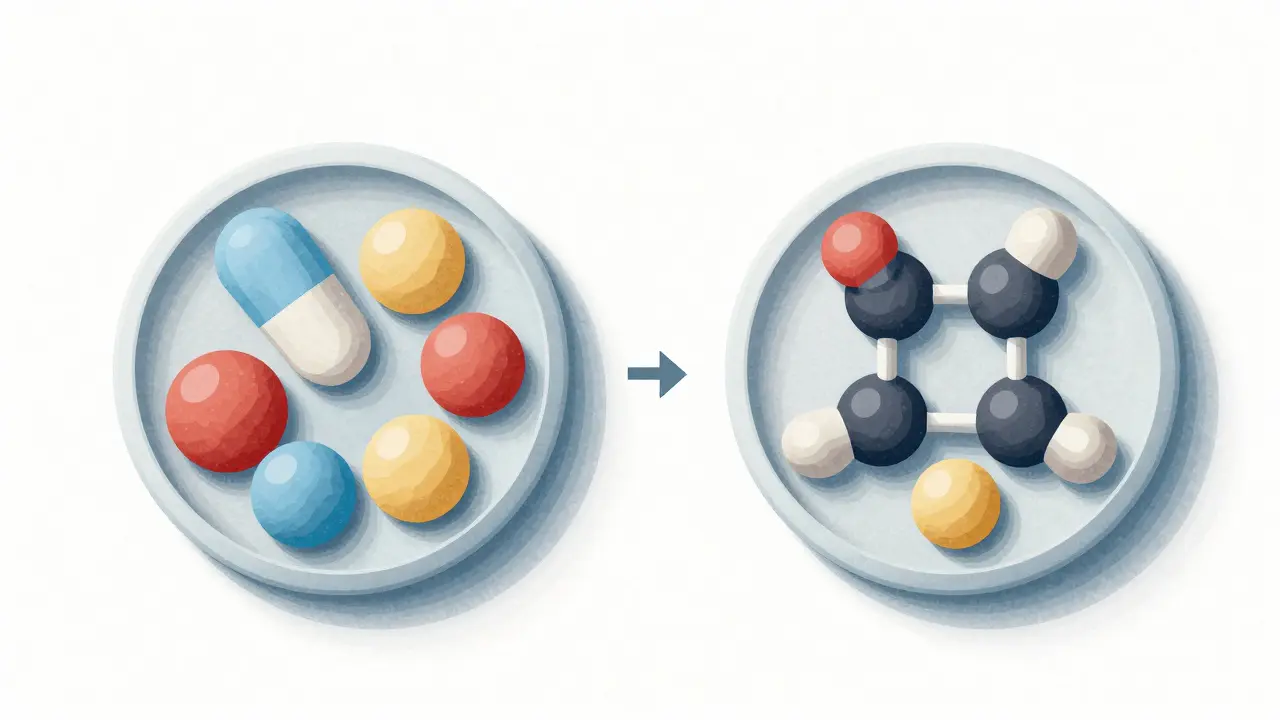
Price is usually the main driver for switching from brand to generic. But authorized generics occupy a tricky financial space. They are typically cheaper than the brand name but more expensive than traditional generics.
Data from GoodRx (2023) suggests that brand-name drugs often cost 80-85% more than traditional generics. Authorized generics might offer a discount of only 15-20% off the brand price. So, if a brand drug costs $100, a traditional generic might be $20, while an authorized generic could be $80. That’s still a saving compared to the brand, but nowhere near the depth of a traditional generic.
Insurance coverage adds another layer. Health plans often group traditional generics into the lowest tier of their formulary. Authorized generics may fall into a higher tier, closer to brand names, because insurers view them as distinct products despite their identical formulation. Fidelis Care noted in 2019 that health insurance companies may cover generic or authorized generic versions instead of the brand, but the out-of-pocket cost varies significantly based on how the plan structures its tiers.
For patients without insurance, buying the authorized generic directly might still be more affordable than the brand, especially if coupons or discount cards apply. But always check the cash price. Sometimes, a traditional generic is so cheap that the small savings from an authorized generic aren’t worth the potential hassle of explaining the switch to your doctor.
Expert Perspectives on Safety and Efficacy
Are authorized generics as effective as the brand? Experts say yes, unequivocally. Dr. Choudhry, cited in Harvard Health’s 2023 analysis, points out that while traditional generics allow a 20% variation in active ingredient concentration (though actual variation averages only 4%), authorized generics have zero variation. They are the same product.
The American Academy of Allergy, Asthma & Immunology (AAAAI) echoed this in 2022, stating that authorized generics "will have the same active and inactive ingredients as the brand name drug." This is particularly important for allergy sufferers who might react to specific excipients found in traditional generics.
A comprehensive review published in PMC in 2018 analyzed patient outcomes across seven drugs. It found that safety and efficacy profiles between authorized generics and branded drugs should be identical. In contrast, while traditional generics are generally safe, there is a theoretical possibility-albeit unlikely-that slight differences in inactive ingredients could affect individual responses.
However, some experts raise concerns about market dynamics. A Health Affairs study from 2022 suggested that brand manufacturers sometimes introduce authorized generics not just to help patients, but to "blunt the impact of generic competition." By offering a slightly cheaper option themselves, they keep prices higher than they would be if multiple traditional generic competitors entered the market freely. This strategic move can limit the availability of the cheapest possible option for consumers.
Real-World Patient Experiences
How does this play out in real life? On community forums, patients report mixed feelings. Many notice "no difference" when switching from brand to authorized generic. One user shared, "I've been using the authorized generic of Xyzal for two years with identical results." For these patients, the switch was seamless and financially beneficial.
Others, however, feel confused. Pharmacy Times reported in 2023 that approximately 30% of patients question the switch to an authorized generic despite the identical formulation. Pharmacists often spend extra time educating patients, explaining that the lack of a brand name doesn’t mean a drop in quality. It simply means the manufacturer is selling the same pill in a plainer package.
Some patients actively seek out authorized generics. If you’ve tried a traditional generic and experienced nausea, headaches, or allergic reactions, your doctor might suggest trying the authorized generic. Since it contains the exact same inactive ingredients as the brand, it eliminates the variable of different fillers. This makes it a valuable tool for managing sensitive cases where traditional generics fail.
How to Request and Identify an Authorized Generic
If you want an authorized generic, you need to be proactive. Pharmacists cannot automatically substitute an authorized generic for a brand name unless specific state laws allow it, and even then, they often default to traditional generics because they are cheaper for the insurance plan.
Here is what you can do:
- Talk to your doctor: Ask them to specify "Dispense As Written" (DAW) if you need the exact brand formulation but want to avoid the brand name price. Or, ask if an authorized generic is available for your specific medication.
- Check with your pharmacist: Ask if they carry the authorized generic version. Not all pharmacies stock them, as they are less common than traditional generics.
- Verify the NDC: Look at the National Drug Code on the box. You can cross-reference this code with the FDA’s list of authorized generics to confirm it matches the brand manufacturer.
- Contact the manufacturer: Some brand companies have websites where you can find locations selling their authorized generics.
Remember, authorized generics are not available for every drug. As of 2021, the FDA documented 152 authorized generic products across 55 unique drugs. They are more common in chronic disease medications where adherence is critical, such as blood pressure or cholesterol drugs.
Future Outlook and Market Trends
The landscape for authorized generics is evolving. Industry analysts at Evaluate Pharma project that authorized generics will maintain a 5-7% market share of the total generic segment through 2028. This growth is driven by increasing demand for alternatives that bridge the gap between cost and formulation consistency.
Regulators are also paying attention. The FDA has considered mandatory disclosure of authorized generic pricing in the Orange Book to increase transparency. Legislative proposals, such as the Affordable Prescriptions for Patients Act of 2023, aim to address practices where brand manufacturers use authorized generics to stifle true generic competition. These changes could affect how widely authorized generics are used and priced in the future.
For now, authorized generics remain a valid, safe, and often overlooked option. They offer the peace of mind of a brand-name formulation at a reduced cost. If you’ve had issues with traditional generics, or if you simply prefer the certainty of the original formula, asking your doctor and pharmacist about authorized generics could be the smart next step in your healthcare journey.
Is an authorized generic the same as a brand name drug?
Yes. An authorized generic is chemically identical to the brand-name drug. It contains the same active and inactive ingredients, uses the same manufacturing process, and is produced by the same company. The only difference is that it is sold without the brand name on the label.
Why are authorized generics cheaper than brand drugs?
Authorized generics are cheaper primarily because the manufacturer saves on marketing and advertising costs associated with maintaining a brand identity. They do not invest in building brand loyalty for this specific packaging, allowing them to pass some savings to the consumer while still competing with traditional generics.
Can I ask my pharmacist for an authorized generic?
Yes, but availability varies. Not all pharmacies stock authorized generics. You should speak with your pharmacist to see if they carry the authorized generic version of your medication. In some cases, your doctor may need to specify the request on the prescription to ensure you receive the correct product.
Do authorized generics appear in the FDA Orange Book?
No. Authorized generics are sold under the brand-name drug's existing New Drug Application (NDA). Therefore, they do not require a separate approval listing in the FDA's Orange Book, which tracks drugs approved via the Abbreviated New Drug Application (ANDA) process.
Are authorized generics safer than traditional generics?
Both are safe and effective. However, authorized generics are identical to the brand name, including inactive ingredients. Traditional generics may have different inactive ingredients (fillers, dyes), which can occasionally cause sensitivities in rare cases. If you have reacted to traditional generics, an authorized generic may be a better choice.
Laura Odom
oh my god this is so confusing why cant they just make it simple for us?? i feel like im playing a game of russian roulette with my health every time i go to the pharmacy. its like they want us to be confused so we pay more money. its literally a scam wrapped in science talk. :/
Katie Caruthers
i have been taking the brand name for years and when they switched me to the generic i felt terrible. headaches, nausea, everything. then my doctor told me about authorized generics and i tried that and i was fine again. it makes sense right? if its the same ingredients why would it hurt you? but people still dont get it. they think cheap means bad quality but its not about quality its about the fillers. you need to speak up for yourself because no one else will care enough to check your nfc code.
Megan Crossland
people are too lazy to read labels. stop complaining and check the nfc code yourself. its not that hard. the system works if you actually do the work instead of blaming big pharma for existing.
Jairam Prasad
ah yes the classic american dilemma of choosing between poverty and poor health. here in india we just buy the drug directly from the factory or the local chemist who knows his stuff. you guys pay for the logo and the marketing campaign featuring smiling families. very interesting how capitalism turns medicine into a fashion accessory. i suppose if you buy the expensive box you feel superior while swallowing your pills. quite philosophical really.
Padraic Cepek
this is typical weak thinking. why should we trust these companies to sell their own knockoffs? its obvious they are trying to keep prices high by flooding the market with half measures. real competition would drive prices down to pennies. instead we have this middle ground nonsense that benefits nobody except the suits in new york. america deserves better than this corporate sleaze.
Patrick Plummer
You see!! This is exactly what I mean!!! The FDA is completely useless!!! They let these companies play games with our lives!!! It's a conspiracy!!! Why isn't anyone talking about the hidden agenda behind the Orange Book?!? It's all fake!!! The whole system is rigged against the little guy!!! Wake up sheeple!!!
Gary Hull
look i dont care what the experts say i know whats best for me. if i can get the same drug cheaper why not take it? but yeah insurance companies are the real villains here. they make it so complicated that even smart people get lost. its just another way to squeeze us dry. i hate how everything has to be a battle.
Kieran Healy
i totally understand why people are worried about this :) it feels scary when something changes in your routine especially when its about your health. i had the same feeling when my mom switched her meds. but after reading this it seems like authorized generics might be a good middle ground for some people. its nice to know there is an option that keeps the same ingredients but costs less. maybe we should ask our doctors more questions instead of assuming the worst :) thanks for sharing this info it helped clear things up for me.
Vineet Hawelia
It is imperative that patients verify the National Drug Code before accepting any substitution. The distinction between traditional generics and authorized generics is significant regarding inactive ingredients. One must consult with their healthcare provider to ensure the chosen formulation aligns with their specific physiological sensitivities. Reliance on assumption is dangerous in pharmaceutical matters. Please exercise due diligence.