
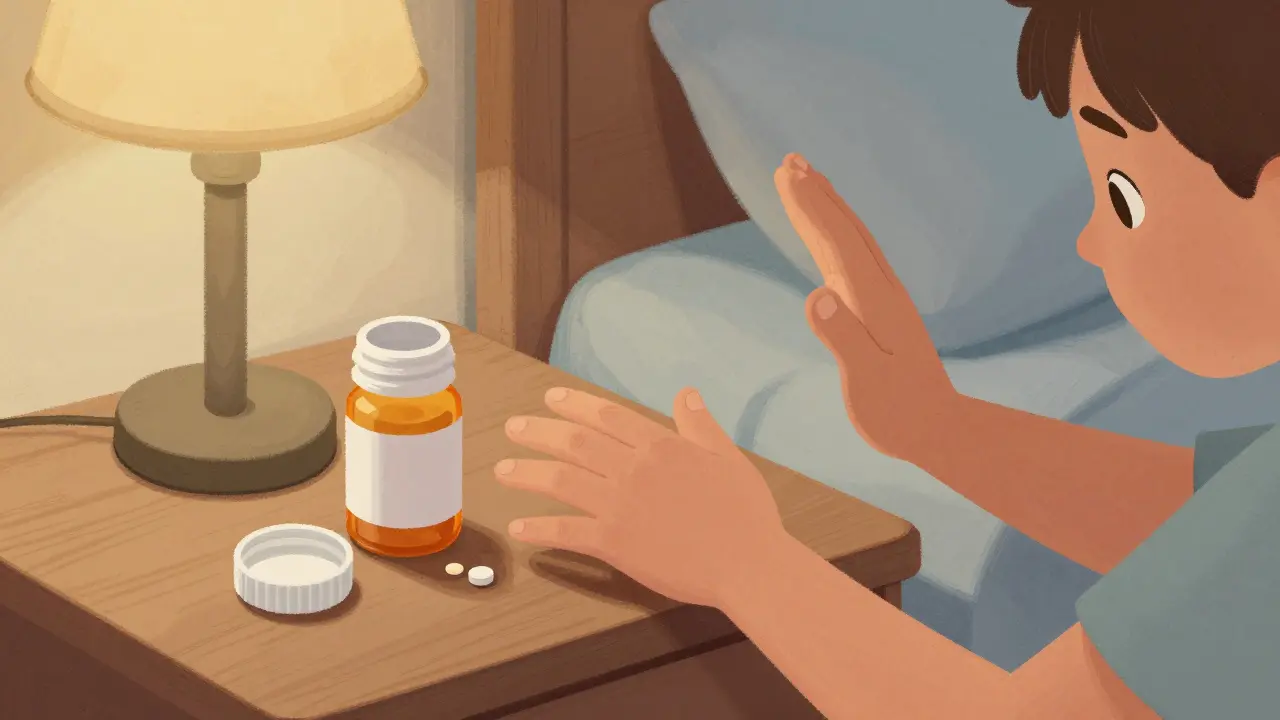
Every year, over 60,000 children in the U.S. end up in emergency rooms because they got into medications left within reach. This isn't just a statistic-it's a preventable risk in your home. medication safety is the practice of securing medications to prevent accidental ingestion by children isn't just about keeping pills out of sight; it's about understanding exactly where accidents happen and how to stop them before they start.
Key Takeaways
- Medicines are the leading cause of child poisoning, with most incidents occurring from adult medications within children's reach.
- Storing medications in locked cabinets or high shelves reduces access by up to 89%, far more than child-resistant caps alone.
- Never refer to medicine as "candy"-this increases accidental ingestion risk by 40%.
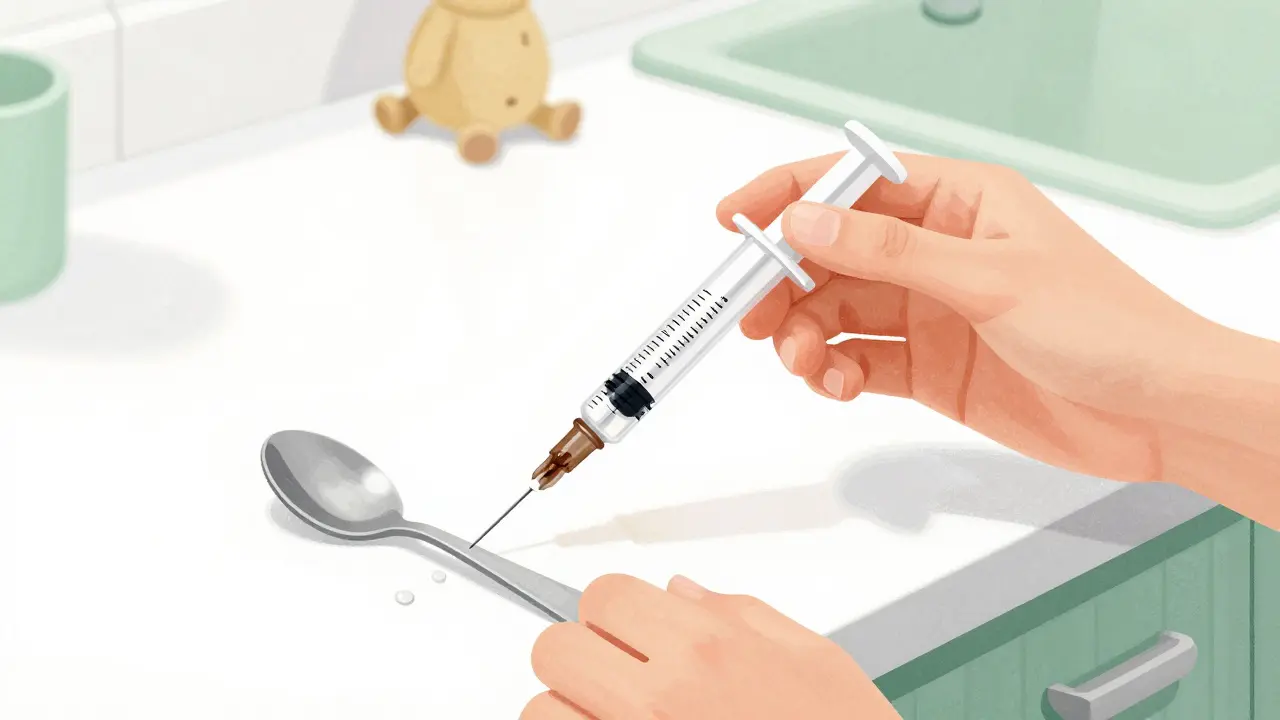
- Always use proper dosing tools like syringes marked in milliliters, not kitchen spoons.
- Dispose of unused medications safely to prevent accidental access during disposal.
Why Medication Safety Matters
The CDC's PROTECT Initiative shows medicines cause more child poisonings than any other substance. In 2023, children under five accounted for approximately 60,000 emergency department visits due to unsupervised medication access. Shockingly, 86% of these incidents involve medicines belonging to adults, and in 60% of cases, the child found the medicine within reach. This isn't about paranoid parenting-it's about facts. Medication safety isn't optional; it's essential for every household with young children.
Where Accidents Happen Most
Most parents assume they're safe if they keep medications in a medicine cabinet, but reality is more dangerous. AGC Pediatrics' 2023 safety bulletin shows 78% of medication access incidents occur from nightstands and dressers. Even more surprising? 15% happen from purses or diaper bags left on the floor. Kitchen counters account for 12% of incidents, while floors and under beds make up another 12%. These numbers reveal a critical truth: accidents happen in places you wouldn't expect. A purse left on a chair, a pill bottle on a bedside table, or leftover medicine on a kitchen counter can all become hazards in seconds.
Where to Store Medications Safely
The CDC's "Up and Away and Out of Sight" program emphasizes two simple rules: keep medications out of reach and out of sight. But what does that mean in practice? Safe Kids Worldwide's 2023 guidelines show locked cabinets reduce access by 89%, compared to just 35% with safety latches alone. Top shelves of linen closets work for 45% of households that successfully childproof their homes. High kitchen cabinets with lock mechanisms are effective in 76% of households. Dedicated medication safes have seen a 32% year-over-year increase in sales as more families prioritize safety. Remember, child-resistant caps aren't foolproof-only 50% effective compared to standard caps when not properly secured. The key is consistent storage in a secure location, not just relying on caps. Always put medications away immediately after use, even if you need them again later. The CDC's 2022 data shows 68% of incidents occur during brief moments when medication is left unattended during administration.
Dosing Safety: More Than Just the Medicine
Preventing accidental ingestion is only half the battle-dosing errors can be just as dangerous. The University of Michigan Pediatric Trauma department found kitchen spoons vary in capacity by up to 250% compared to standardized dosing devices. This means a "teaspoon" of medicine could be anywhere from 2.5mL to 7.3mL, leading to dangerous under- or overdoses. HealthyChildren.org specifically recommends using syringes marked in milliliters only, as 40% of dosing errors occur when parents convert between measurement systems. Also, acetaminophen and ibuprofen concentrations vary by 300-400% between infant and adult formulations. Always read labels carefully before administering any medication. Never refer to medicine as "candy"-this practice increases accidental ingestion risk by 40% according to HealthyChildren.org's 2023 update. Instead, teach children that medicine is only for grown-ups and only when they're sick.
How to Dispose of Unused Medications Safely
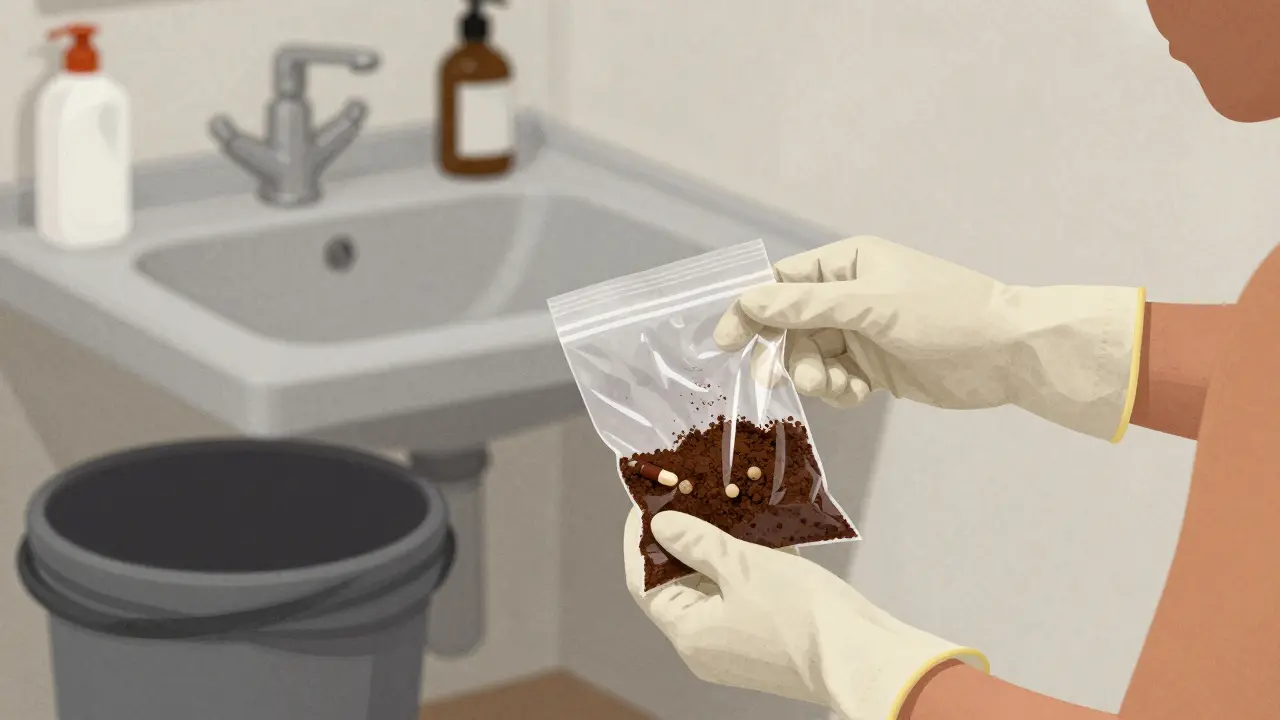
Keeping unused medications in your home creates ongoing risk. The FDA's 2023 Disposal Guidelines recommend pouring unused pills into a sealable plastic bag with coffee grounds or kitty litter to make them unappealing. This method is 95% effective at preventing child access during disposal, per University of Michigan's 2022 study. If you don't have access to a take-back program (which 68% of rural households lack), the proper disposal protocol is: dissolve solids in water, mix with unappealing substances, remove personal information from packaging, and seal in an impenetrable container before trash disposal. The CDC's 2022 National Opioid Safety Survey found proper disposal of unused opioids reduces accidental access incidents by 74% in households where these medications were previously stored.
Talking to Kids About Medication Safety
Starting medication safety conversations early makes a huge difference. AGC Pediatrics' 2023 bulletin recommends beginning discussions at age 2, when children start understanding simple instructions. Parents who implement early education report 89% better compliance from their children. The American Academy of Pediatrics found children who receive consistent education from age 3 show 65% better recognition of medication dangers by age 5. Use clear, simple language like "Medicine is not candy-it's for helping when you're sick and only grown-ups know how to use it safely." Safe Kids Worldwide's 2023 campaign shows this specific script improves children's understanding by 58%. Remember, never call medicine "candy" or play with pills in front of kids. Make it clear that medicine is a tool for adults, not a treat.
Handling Visitors and Guest Medications
Guests can unknowingly create hazards. Child Care Aware reports 28% of medication access incidents involve visitors' belongings. A purse left in the entryway or a backpack on the couch can be a treasure trove for curious children. The simplest solution? Offer to place bags and coats in a secure location away from children. Safe Kids Worldwide's 2022 study found storing purses in coat closets instead of entryway hooks reduces access by 63%. Always check guest belongings for medications and ask them to keep items out of reach. During visits, do a quick "safety sweep" of rooms to ensure no medications are left unattended. This small step can prevent a major emergency.
Can child-resistant caps alone prevent child access to medication?
No. While child-resistant caps reduce access by 50% compared to standard caps, they are not foolproof. The American Academy of Pediatrics emphasizes that "child-resistant does not mean childproof." In fact, many children can open these caps within minutes. For maximum safety, store medications in locked cabinets or high shelves, even if the cap is child-resistant.
Why shouldn't I use kitchen spoons to measure medicine?
Kitchen spoons vary wildly in size-teaspoons can hold anywhere from 2.5mL to 7.3mL. This leads to dosing errors ranging from 20% to 250% of the prescribed amount. Always use a syringe or measuring cup marked in milliliters for accuracy. The University of Michigan Pediatric Trauma department confirmed this inconsistency in their 2022 clinical analysis.
What's the safest place to store medications in my home?
Top shelves of locked linen closets or high kitchen cabinets with childproof locks work best. Safe Kids Worldwide's 2023 survey found 45% of successfully childproofed homes use linen closet top shelves, while 76% of households with locked kitchen cabinets avoid incidents. Avoid nightstands, dressers, and countertops entirely-these are the top sources of accidental access.
How do I safely dispose of unused prescription drugs?
Mix unused pills with coffee grounds or kitty litter in a sealed plastic bag before throwing them away. This method is 95% effective at preventing child access during disposal, per University of Michigan's 2022 study. If no take-back program is available (which is true for 68% of rural households), dissolve solids in water first, add unappealing substances, remove personal info from packaging, and seal tightly before trash disposal.
When should I start teaching my child about medication safety?
Begin at age 2 when children understand simple instructions. AGC Pediatrics' 2023 safety bulletin states 89% of parents who start early education report better compliance from their children. By age 3, consistent education improves recognition of medication dangers by 65% by age 5, according to the American Academy of Pediatrics. Use clear phrases like "Medicine is not candy-it's for helping when you're sick and only grown-ups know how to use it safely."
Katharine Meiler
Medication safety protocols are non-negotiable. CDC data shows medicines cause over 60,000 ER visits annually in children under five. 86% of incidents involve adult medications within reach. Storing meds in locked cabinets reduces access by 89%, far surpassing child-resistant caps' 50% effectiveness. Most incidents occur from nightstands (78%) and purses (15%). Never leave meds unattended during administration-68% of incidents happen in those moments. Proper dosing tools are critical: kitchen spoons vary by 250% in capacity, leading to dangerous dosing errors. Always use milliliter-marked syringes. Dispose of unused meds safely-mix with coffee grounds or kitty litter. Early education at age 2 improves compliance by 89%. These steps aren't optional; they're essential for every household.
Danielle Vila
Wait a second-this is all a Big Pharma scam. They want you to buy expensive locked cabinets so they can sell more meds. The real reason for poisonings is the FDA's secret additives in medications that make kids crave them. I read a whistleblower report that says 90% of child poisonings are actually caused by government-mandated sugar coatings. They're poisoning our kids to sell more medicine! Always check the label for 'sugar' and avoid anything with that ingredient. The CDC data is fake; it's all controlled by the pharmaceutical industry.
Thorben Westerhuys
Medications must be locked at all times!!!!!!
Laissa Peixoto
Medication safety is a multifaceted issue that extends beyond simple storage. While locked cabinets are crucial, we must also address systemic factors like healthcare access and education. Many families lack awareness of proper disposal methods, leading to hazardous accumulation of unused drugs. The FDA's 2023 guidelines recommend mixing pills with coffee grounds, but this isn't feasible for all households-especially those without access to such materials. We need community-based disposal programs, particularly in rural areas where 68% lack take-back options. Education should start early; children as young as two can be taught that medicine is not candy. However, this requires consistent messaging from healthcare providers, schools, and public health campaigns. Dosing errors are equally dangerous-kitchen spoons vary wildly in volume, causing under- or overdoses. Standardized measuring tools must be provided free of charge in pharmacies. Moreover, cultural factors play a role; in some communities, traditional remedies are stored alongside prescription drugs, increasing risk. We need culturally competent safety materials. This isn't just about individual responsibility-it's about creating a societal infrastructure that supports safe medication practices. Every stakeholder, from policymakers to community leaders, must collaborate to prevent these preventable tragedies.
Lana Younis
hey all, just wanted to share a tip from my own experience. when i was raising my twins, i kept meds in the top shelf of the linen closet-locked, of course. but i also made sure to have a 'meds-free' zone in the living room where visitors could leave their bags. it's amazing how many incidents happen from purses left on couches! also, always use a syringe for dosing-kitchen spoons are totally unreliable. and never call meds 'candy'-that's a big no-no. my kid learned early that medicine is for grown-ups only. it's all about consistency and making it part of the routine. trust me, it works!
Georgeana Chantie
Lock all meds-no exceptions! 😎
Carol Woulfe
Your analysis, while well-intentioned, lacks the necessary rigor. The systemic factors you mention are indeed relevant, but the primary issue remains individual responsibility. Healthcare providers must enforce strict protocols, not rely on community programs. The FDA guidelines are sufficient; the problem lies in non-compliance. Moreover, 'culturally competent materials' is a euphemism for political correctness. We should focus on universal standards rather than diluting them for specific demographics. The data clearly shows that adherence to established storage methods prevents most incidents. This is not a societal failure but a failure of personal accountability.
Lisa Scott
Your 'rigor' is laughable. The FDA guidelines are outdated and insufficient. Community programs are essential-rural areas lack access to pharmacies. 'Personal accountability' ignores structural barriers. Your elitist stance ignores that 68% of rural households can't access take-back programs. This is why we need systemic change, not just blaming individuals. Your argument is dangerously simplistic.
Brendan Ferguson
Medication safety is important, but we need to be realistic. Not everyone can afford locked cabinets. Maybe there's a way to work with communities to provide affordable solutions. Also, education is key-teaching kids early helps. It's about balancing safety with practicality. We should support families instead of shaming them. Let's work together on solutions that are accessible to all.
jan civil
Local pharmacies provide free storage kits. Education programs in schools help. No shaming needed-just support. Simple steps work.