
When you're pregnant, every pill, drop, or supplement feels like a decision that could change your baby’s life. You want to feel better - whether it’s a headache, stuffy nose, or back pain - but you also don’t want to risk harm. The truth is, medications to avoid during pregnancy aren’t always obvious. Some common drugs you’ve used for years might be riskier than you think. Others, once thought safe, are now under serious scrutiny. This isn’t about fear. It’s about making informed choices based on the latest science.
NSAIDs: More Dangerous Than You Realize
Ibuprofen, naproxen, and aspirin (outside of low-dose prescriptions) are off-limits after 20 weeks of pregnancy. Why? These drugs block prostaglandins - chemicals your baby’s kidneys need to make urine. Without enough urine, amniotic fluid drops dangerously low (oligohydramnios), which can cause underdeveloped lungs, limb positioning problems, and even stillbirth. A 2020 FDA warning made this clear, and studies show the risk doubles after 20 weeks. Even if you took ibuprofen before you knew you were pregnant, don’t panic. But from now on, swap it out. Acetaminophen is still the go-to for pain and fever, but even that has new caveats.Acetaminophen: The New Controversy
For decades, Tylenol was the gold standard for pregnancy pain relief. But in September 2025, the FDA issued a notice to physicians: prolonged use of acetaminophen during pregnancy may be linked to higher risks of ADHD and autism spectrum disorder in children. A 2021 study of 95,000 mother-child pairs found a nearly 30% increase in ADHD risk with long-term use. That doesn’t mean you can’t use it. It means you need to be smart about it. Use the lowest dose possible - 325 to 650 mg - and only when necessary. If you have a fever over 102°F, don’t wait. High fever itself raises the risk of neural tube defects by over eight times. The real danger isn’t occasional use. It’s taking it every day for weeks because you’re always achy or have a lingering cold. Talk to your provider about non-drug options: warm compresses, rest, hydration, and gentle movement.Antibiotics That Can Hurt Your Baby
Not all antibiotics are safe. Tetracyclines like doxycycline can permanently stain your baby’s developing teeth and slow bone growth. Fluoroquinolones like ciprofloxacin are linked to a 1.9 times higher risk of musculoskeletal issues. Both should be avoided unless there’s no other option - and even then, only after careful discussion. For infections, safer choices include penicillins (like amoxicillin), cephalosporins (like cephalexin), and erythromycin. These have been studied in hundreds of thousands of pregnancies with no clear rise in birth defects. If you’re prescribed an antibiotic, ask: “Is this the safest option for pregnancy?” Don’t assume all antibiotics are equal.High Blood Pressure Meds: Stop Immediately
If you’re on ACE inhibitors (lisinopril, enalapril) or ARBs (valsartan, losartan) for high blood pressure, stop them the moment you find out you’re pregnant. These drugs can cause fetal kidney failure, low amniotic fluid, and even death. The risk is so high - 30% to 50% - that guidelines say to switch before conception if possible. Safe alternatives include methyldopa, labetalol, and nifedipine. These have decades of safety data. If you’re managing hypertension and planning pregnancy, talk to your doctor now. Don’t wait. Preconception planning saves lives.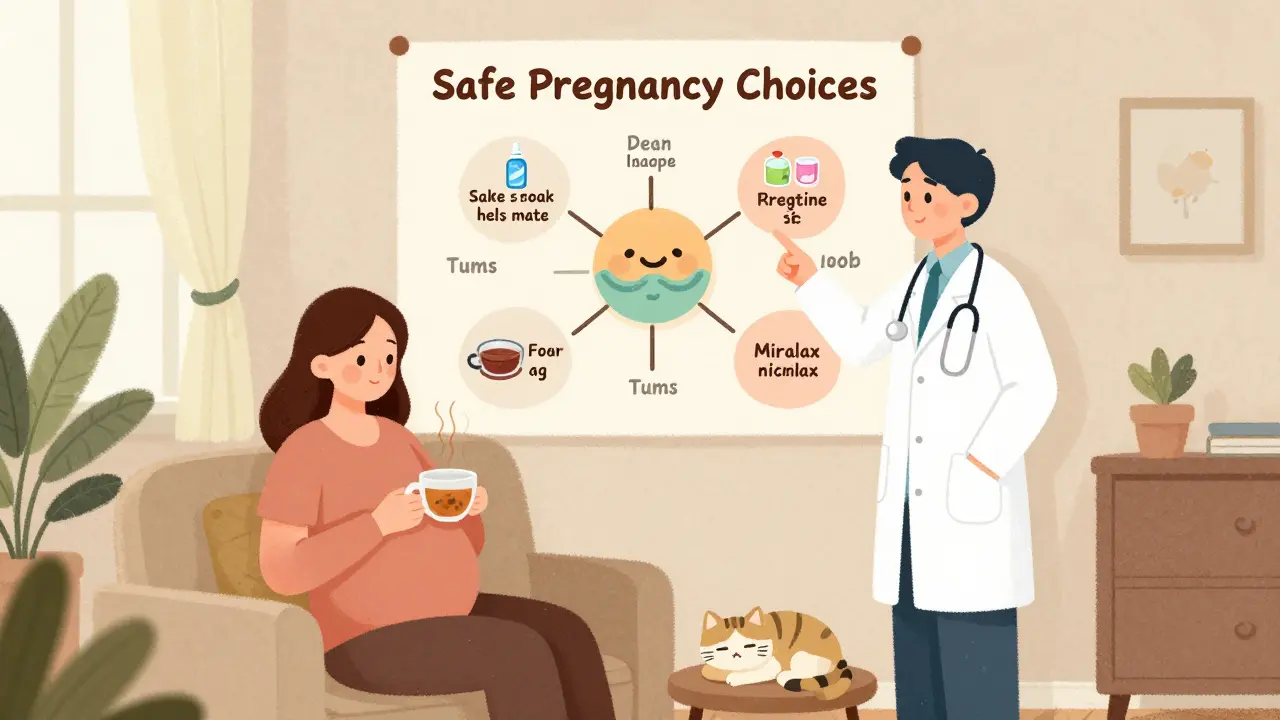
Acne and Seizure Medications: High-Risk, High-Stakes
Isotretinoin (Accutane) is one of the most dangerous drugs in pregnancy. It causes severe birth defects - facial deformities, heart problems, brain abnormalities - in more than 25% of exposed pregnancies. Even one dose can be enough. If you’re on it and thinking of getting pregnant, you need to wait at least a year after stopping. The FDA’s iPLEDGE program exists to prevent this, but accidents still happen. For acne, switch to topical treatments like azelaic acid or benzoyl peroxide. They work, and they’re safe.Valproic acid (Depakote), used for epilepsy and bipolar disorder, carries a 10.7% risk of major birth defects - nearly four times the background rate. Lamotrigine and levetiracetam are safer alternatives with defect rates under 3%. If you have epilepsy, don’t stop your meds cold turkey. Seizures during pregnancy are dangerous for both you and your baby. Work with your neurologist and OB-GYN to switch before conception. The NEAD study shows this switch is possible and safe with proper planning.
Safe Alternatives for Common Pregnancy Discomforts
You don’t have to suffer. There are safe, effective ways to manage everyday issues:- Pain and fever: Acetaminophen (Tylenol) - 325-650 mg every 4-6 hours, max 3,000 mg per day. Use only as needed.
- Allergies: Loratadine (Claritin), cetirizine (Zyrtec), or fexofenadine (Allegra). All have strong safety data from over 2,000 exposed pregnancies.
- Congestion: Saline nasal spray first. If you need more, pseudoephedrine (Sudafed) is okay after the first trimester - 30-60 mg every 4-6 hours, max 120 mg/day. Avoid if you have high blood pressure.
- Constipation: Start with fiber (25-30g daily) and water. If you need help, docusate sodium (Colace) or polyethylene glycol (Miralax) are both Category B and safe.
- Heartburn: Calcium carbonate (Tums) or magnesium hydroxide (Milk of Magnesia) are preferred. Avoid bismuth subsalicylate (Pepto-Bismol) - it contains aspirin-like compounds.
Antidepressants: Balancing Mental Health and Safety
Untreated depression is dangerous. It raises the risk of preterm birth by 64% and low birth weight by 73%. Paroxetine (Paxil) has a slightly higher risk of heart defects - about 1.5-2% compared to 0.7% baseline - but other SSRIs like sertraline and citalopram have better safety profiles. The biggest risk? Stopping your meds. Studies show 20-25% of women relapse into depression within weeks of quitting. If you’re on antidepressants and pregnant, don’t stop on your own. Talk to your psychiatrist and OB-GYN. The goal isn’t to avoid all meds - it’s to use the safest one at the lowest effective dose.
Warfarin and Blood Thinners: Switch Before Conception
Warfarin (Coumadin) crosses the placenta and can cause fetal warfarin syndrome - facial deformities, bone problems, and intellectual disability. The risk is 6-10%. If you’re on warfarin and planning pregnancy, switch to low molecular weight heparin (like enoxaparin/Lovenox) before you conceive. Heparin doesn’t cross the placenta. It’s safe. This isn’t something to wait on. Start the transition at least three months before trying to get pregnant.What to Do Right Now
If you’re pregnant or trying to conceive:- Make a full list of everything you take - prescriptions, OTC meds, supplements, herbal teas.
- Bring it to your next appointment. Don’t assume your provider knows what you’re taking.
- Use MotherToBaby.org. They offer free, confidential consultations with specialists in pregnancy exposure. They’ve helped over 2.3 million people since 2022.
- Don’t rely on Google. Search results are outdated or misleading. Stick to trusted sources like the FDA, CDC, and ACOG.
- Ask: “Is this necessary? Is there a safer option? What happens if I don’t take it?”
Final Thought: It’s About Balance, Not Perfection
No medication is 100% risk-free. But no illness or pain is without consequences either. The goal isn’t to avoid every drug. It’s to avoid the wrong ones at the wrong time. A fever left untreated is more dangerous than a single dose of acetaminophen. A seizure during pregnancy is more dangerous than lamotrigine. Depression that goes untreated can change your child’s life before they’re born. You’re not being reckless if you need medicine. You’re being responsible if you choose wisely. Talk to your care team. Use the data. Make the best call you can - with support, not guilt.Is it safe to take Tylenol while pregnant?
Acetaminophen (Tylenol) is still considered the safest pain reliever during pregnancy when used at the lowest effective dose for the shortest time. The FDA’s 2025 notice advises against long-term or daily use due to possible links to ADHD and autism risk, but short-term use for fever or pain is not banned. The bigger danger is untreated high fever, which raises the risk of neural tube defects by over eight times. Stick to 325-650 mg every 4-6 hours, not more than 3,000 mg per day.
Can I take ibuprofen in early pregnancy?
While ibuprofen is less risky in the first trimester than later, it’s still not recommended. Some studies suggest a small increased risk of miscarriage and heart defects with early use. The safest approach is to avoid NSAIDs entirely during pregnancy and use acetaminophen instead. If you took it before you knew you were pregnant, don’t panic - but switch now.
What allergy medicine is safe during pregnancy?
Loratadine (Claritin), cetirizine (Zyrtec), and fexofenadine (Allegra) are all considered safe during pregnancy. They’re second-generation antihistamines with strong data from the MotherToBaby registry showing no increase in birth defects in over 2,000 exposed pregnancies. Avoid first-generation antihistamines like diphenhydramine (Benadryl) long-term - they can cause drowsiness and may affect fetal development with chronic use.
Is it safe to take antidepressants while pregnant?
Untreated depression carries greater risks than most antidepressants. SSRIs like sertraline and citalopram are preferred over paroxetine, which has a slightly higher risk of heart defects. The biggest concern is relapse - up to 25% of women stop their meds and return to severe depression. Work with your mental health provider and OB-GYN to choose the safest option at the lowest dose. Never stop abruptly.
What should I do if I took a risky medication before knowing I was pregnant?
Don’t panic. Many women take medications before realizing they’re pregnant, and most babies are born healthy. The key is to stop the medication immediately and contact your provider. For drugs like isotretinoin or ACE inhibitors, early intervention matters. For others, like occasional ibuprofen, the risk is low. Use MotherToBaby.org for free, expert advice - they’ve helped over 2.3 million families since 2022.
Are herbal supplements safe during pregnancy?
Many are not. Herbs like black cohosh, goldenseal, and pennyroyal can cause contractions or harm fetal development. Even “natural” doesn’t mean safe. The FDA doesn’t regulate supplements the way it does drugs. Always tell your provider about every supplement you take - including ginger, turmeric, or prenatal teas. Some are fine in small amounts; others are dangerous.
Amy Lesleighter (Wales)
i just took tylenol for my headache yesterday and now i’m panicking 😭 but honestly, the fever i had last week was worse. my doc said if it’s under 102, just rest and hydrate. if it’s over, take the tylenol. no guilt.
Becky Baker
why are we even talking about this like it’s rocket science? in my day, moms took whatever they needed and babies turned out fine. now we got people scared to take aspirin like it’s poison. america’s gone soft.
Sumler Luu
i appreciate this post so much. i was on lisinopril for hypertension and switched to labetalol before i even knew i was pregnant. my ob-gyn said it was a lifesaver. don’t wait till you’re pregnant to talk to your doctor about meds. plan ahead.
Sandeep Jain
i read this while holding my 3 month old and just cried. i took ibuprofen for 3 weeks before i knew i was pregnant. i thought it was fine. now i’m scared every time she sneezes. but then i remember she’s healthy and smiling. maybe the fear is worse than the risk?
Brittany Fuhs
The FDA’s 2025 notice on acetaminophen is a direct result of irresponsible medical oversight. We’ve been told for decades that Tylenol is safe, and now suddenly it’s a neurotoxin? This is not science. This is fearmongering dressed up as caution.
Steven Destiny
stop being scared. your body knows what to do. if you need pain relief, take it. if you need sleep, take the allergy med. if you need to not cry every day, take the antidepressant. you’re not failing by using medicine. you’re failing by not asking for help.
Fabio Raphael
i’m curious-has anyone here switched from paroxetine to sertraline during pregnancy? i’m on paroxetine and terrified to change meds mid-pregnancy, but i also don’t want to risk the heart defect. any real-life stories?
Rajni Jain
you’re not alone. i took zyrtec for 7 months straight. my daughter is 2 now, super smart, walks on her own, loves books. no autism, no ADHD. the science is scary but it’s not a guarantee. trust your gut, not just the stats.
Natasha Sandra
just took my first prenatal vitamin 🤍 and i’m already crying. i used to take melatonin every night. now i’m scared i messed up the baby’s brain. but i’m trying so hard to be good. 🙏
Erwin Asilom
The recommendation to avoid NSAIDs after 20 weeks is evidence-based and widely supported by ACOG and the CDC. Dismissing this as fearmongering ignores decades of clinical data and fetal physiology studies. Medical guidance evolves with science, not sentiment.
sakshi nagpal
i’m from india and we don’t have access to most of these meds. my sister took neem oil for acne and had a healthy baby. natural doesn’t mean safe, but neither does pharmaceutical. we need better global guidelines, not just US-centric advice.
roger dalomba
So we’re now treating pregnant women like radioactive waste? Just take the Tylenol. It’s not a crime. It’s medicine.
Sophia Daniels
I’m sorry, but if you’re still using ibuprofen past 12 weeks, you’re not being cautious-you’re being negligent. And if you think ‘natural’ herbs are safer than FDA-approved meds, you’re one Google search away from a stillbirth. This isn’t yoga class. This is life or death.