
OPIAD Risk & Symptom Assessor
Step 1: Usage Profile
Step 2: Identify Symptoms
Check all that apply to your current state:
Analysis Results
Recommended Next Steps
Disclaimer: This tool provides estimates based on general medical literature. Always consult a healthcare provider for diagnosis and treatment.
The Hidden Link Between Painkillers and Hormones
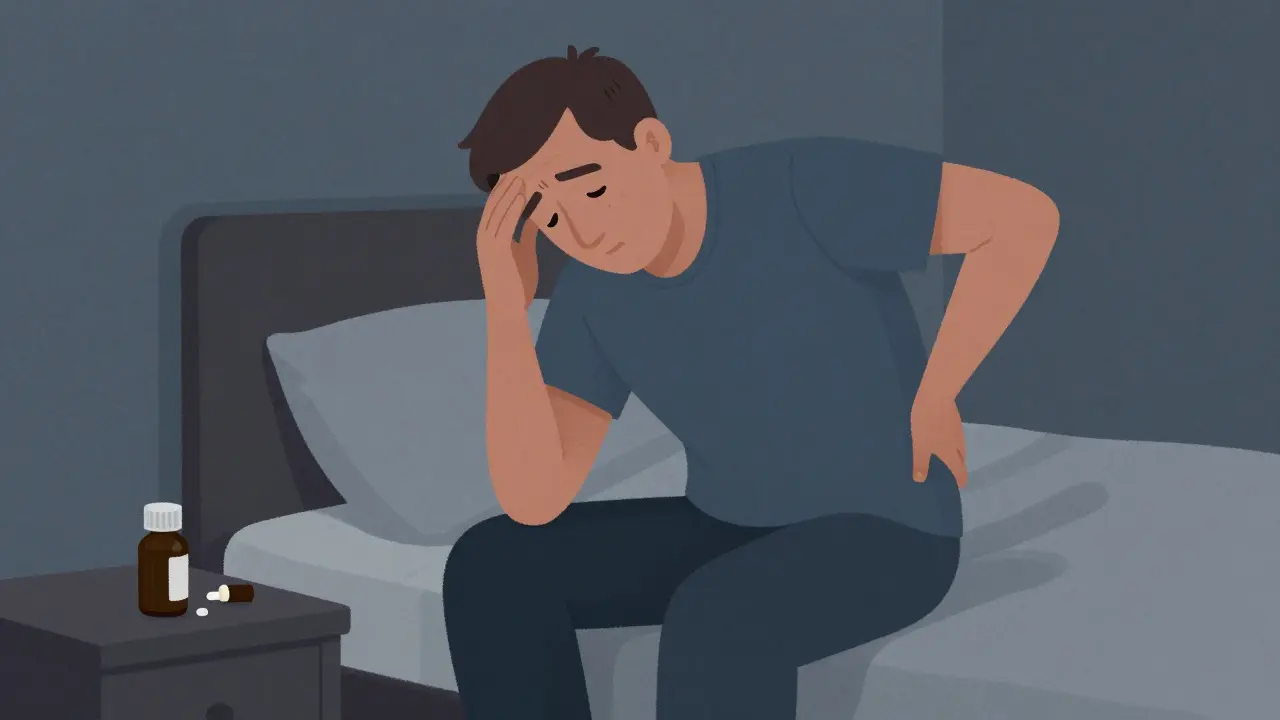
You might be taking medication to manage chronic pain, only to find yourself constantly tired, struggling with motivation, or feeling a drop in your sexual drive. If this sounds familiar, you aren't imagining things. Research shows that between 50 and 90 percent of long-term opioid users develop significantly low testosterone levels. This isn't just a minor side note; it's a major hormonal shift that affects your daily quality of life.
This condition has a specific name in the medical world. Doctors call it Opioid-Induced Androgen Deficiency (OPIAD). It happens because the medicines meant to help your pain end up suppressing the signals your brain sends to your testes to make testosterone. While we often focus on addiction or physical pain, the hormonal impact is getting attention now that millions of people use these drugs globally.
Opioid-Induced Androgen Deficiency (OPIAD) is a clinically significant endocrine disorder characterized by suppressed testosterone production resulting from prolonged opioid therapy. It was first systematically documented in medical literature in the early 2000s, but recognition of its widespread nature has only grown recently alongside the rise in prescriptions during the opioid epidemic.How Your Brain Stops Making Testosterone
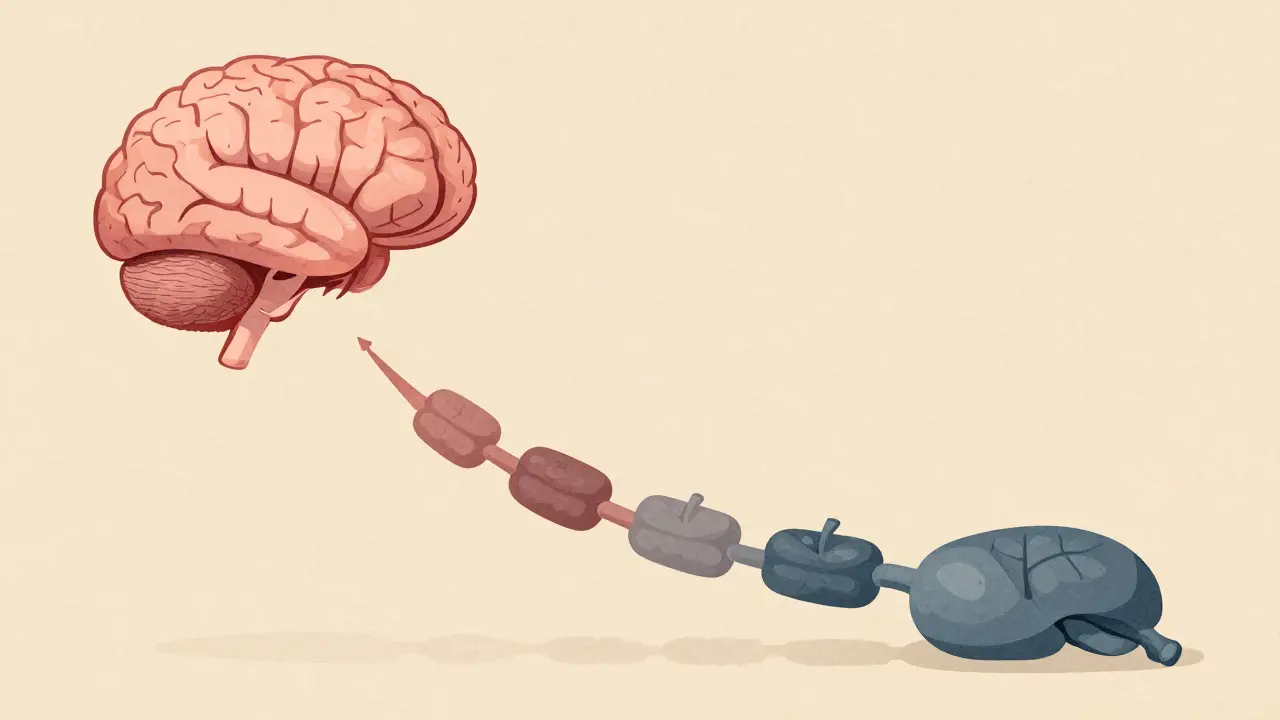
To understand why this happens, you need to look at your body's command center. There is a specific loop in your brain called the hypothalamic-pituitary-gonadal (HPG) axis. Think of it like a factory assembly line. First, the hypothalamus releases a signal. Then the pituitary gland picks that signal up and tells the gonads (your testes) to work. Normally, this pulse happens regularly, keeping your hormone levels steady.
When you take opioids, specifically those that activate mu-opioid receptors, they disrupt this rhythm. A narrative review published in the journal Pain Physician explains that opioids reduce the pulsatility of GnRH secretion. In simpler terms, the factory boss stops sending orders, so the workers stop producing product. Studies cited in the Journal of the Endocrine Society reveal that opioid users had approximately half the testosterone levels of non-users.
| Duration of Use | Testosterone Reduction |
|---|---|
| Less than 90 days | Mild suppression |
| More than 90 days | 35-50% lower than baseline |
| Over one year | 50-75% lower than baseline |
This drop doesn't happen overnight. The process is insidious, developing slowly over three to six months of continuous therapy. Certain drugs impact this more than others. Long-acting opioids like methadone and buprenorphine tend to cause more profound suppression compared to shorter-acting versions. Research from JAMA Network Open showed average total testosterone levels were significantly lower in methadone maintenance therapy patients (around 245 ng/dL) compared to those on buprenorphine (around 387 ng/dL). Remember, normal levels for adult males typically range from 300 to 1000 ng/dL.
Symptoms You Might Be Ignoring
Low testosterone isn't always obvious. You might blame your age or stress. However, there are distinct signs that point back to hormonal deficiency. Cross-sectional studies report that low libido occurs in 68-85% of affected males. Erectile dysfunction follows closely behind, happening in 60-75% of cases. These are physical changes that directly impact relationships and confidence.
Beyond sexual function, you will likely notice mental and physical shifts. Chronic fatigue is huge here. Measurements using the Fatigue Severity Scale show scores 2.5 times higher than normal in affected individuals. You might feel irritable or depressed, with symptom checklists indicating 40% higher depression symptoms in those on opioid agonist therapy. Concentration suffers too, making it hard to focus at work or home.
Your body composition also shifts. Muscle mass decreases while body fat increases, especially around the belly. Bone density takes a hit, with measurements showing a 15-20% reduction in lumbar spine bone mineral density. This puts you at risk for osteoporosis and fractures later on. Blood health is another area; hemoglobin levels drop, averaging 12.3 g/dL instead of the normal 14-18 g/dL, which contributes to anemia and that general feeling of exhaustion.
Diagnosing the Problem
If you suspect your medication is affecting your hormones, you need proof before changing anything. The Endocrine Society recommends measuring serum testosterone levels twice to confirm hypogonadism. Timing matters because testosterone fluctuates throughout the day. Tests should be done in the morning, ideally between 7 AM and 10 AM, to get accurate results.
A single test isn't enough due to natural variations. Clinicians also look at your symptoms using tools like the ADAM (Androgen Deficiency in Aging Males) questionnaire. Scoring 3 or more positive responses suggests you need further laboratory testing. It is crucial to distinguish between temporary drops and established deficiency. This distinction guides whether you adjust your pain management plan or start treating the hormone deficiency directly.
Baseline testing is essential. Dr. Smith and Dr. Elliott, experts in pain management, assert that screening for hypogonadism should be considered whenever long-term opioid prescribing is undertaken. Without this data, you cannot track progress effectively once a treatment starts.
Treatment Options for Hormonal Imbalance
Once diagnosed, there are ways to restore balance. The primary clinical approach is Testosterone Replacement Therapy (TRT). This can be administered in several formats depending on your lifestyle and skin tolerance. Intramuscular injections are common, typically involving 100-200 mg of testosterone cypionate every week or two. Transdermal patches deliver about 5-7.5 mg daily, and gels offer 4-6 mg transdermal absorption per application.
Does this actually help? Two randomized controlled trials demonstrated that TRT significantly improved sexual function. Scores on the International Index of Erectile Function jumped from 12.5 to 19.8. Beyond sexual health, pain sensitivity decreased. Quantitative sensory testing showed a 30% reduction in hyperalgesia, meaning your body becomes less sensitive to pain stimuli. Body composition improves too, with lean muscle mass increasing by roughly 3.2 kg over six months while fat mass drops.
| Area of Improvement | Result |
|---|---|
| All-Cause Mortality | Hazard Ratio 0.51 |
| Cardiac Events | Reduced incidence (HR 0.58) |
| Femoral/Hip Fractures | Reduced risk (HR 0.65) |
| Anemia Rates | Lower risk (HR 0.74) |
Risks and Safety Concerns
While treatment offers relief, you cannot ignore the safety profile. The VA Whole Health Library warns that external testosterone inhibits the body's natural production. Once you rely on supplementation, stopping can be difficult. More importantly, testosterone therapy is contraindicated in patients with or at high risk of breast or prostate cancer. FDA labeling requirements highlight this black box warning.
Potential adverse effects include polycythemia, which means an increase in red blood cells, occurring in 15-20% of TRT users. This thickens the blood and requires monitoring. HDL cholesterol levels may decrease by 10-15 mg/dL, and acne affects about 25% of transdermal gel users. There are also cardiovascular concerns. FDA adverse event reporting data indicates a potential relative risk increase of 1.3-1.8x for stroke. Therefore, close collaboration with endocrinologists is mandatory.
Monitoring protocols require serum testosterone levels to be measured 3-6 months after initiating therapy and annually thereafter. For men over 50 or those with risk factors, prostate-specific antigen (PSA) testing is required every six months. Your doctor needs to balance the benefit of restored energy against these potential cardiovascular and oncological risks.
Natural Approaches to Support Hormones
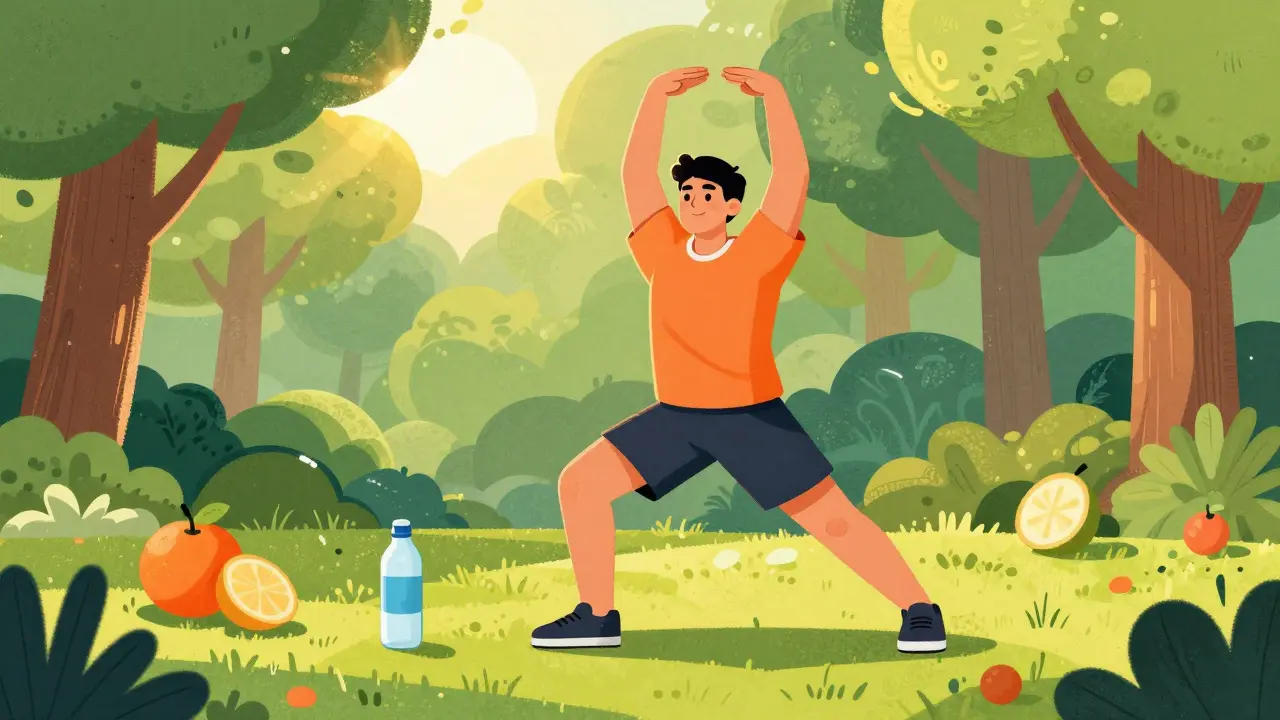
Before jumping to medication, some strategies might help optimize your baseline levels naturally. Maintaining ideal body weight plays a role. A BMI under 25 is associated with 20-30% higher testosterone levels. Regular resistance exercise, doing three sessions a week, can increase testosterone by 15-25%. Sleep quality matters deeply too. Getting 7-9 hours correlates with 20% higher levels.
Lifestyle habits like avoiding tobacco products and limiting alcohol consumption help smokers who have 15-20% lower testosterone. Diabetic patients have even lower levels (25-35% reduced), so managing blood sugar is vital. The VA Whole Health Library emphasizes exploring these non-pharmacological approaches first. For female patients experiencing similar issues, dehydroepiandrosterone (DHEA) supplementation may be considered, though evidence remains more limited compared to male studies.
Putting It All Together
Dealing with chronic pain is hard enough without adding hormonal fatigue to the mix. The link between low testosterone and long-term opioid use is well-documented, yet many patients suffer silently because they don't connect the dots. By understanding the mechanism, recognizing the symptoms, and discussing treatment options safely with your provider, you can reclaim control over your energy and health.
Remember, untreated OPIAD reduces quality of life. It isn't something you just accept as part of the pain management package. Routine screening is becoming standard care. Whether through medical intervention or lifestyle changes, addressing the root cause leads to better outcomes for everyone dealing with this complex side effect.
Can stopping opioids fix low testosterone?
In many cases, testosterone levels can recover once opioid therapy is discontinued, but the timeline varies. Some studies suggest recovery may take weeks to months after cessation, depending on the duration of use and individual physiology.
Is it safe to take TRT with opioids?
It can be safe under strict medical supervision. However, combining these therapies requires careful monitoring of blood counts, prostate health, and cardiac risk factors to avoid complications like polycythemia or clotting issues.
What are the first signs of OPIAD?
Early indicators often include persistent fatigue, loss of libido, irritability, and difficulty concentrating. Physical changes like increased belly fat or reduced muscle tone usually appear later in the progression.
Does all painkillers cause this issue?
No, this is specific to opioids that act on mu-opioid receptors. Non-opioid pain relievers generally do not suppress the hypothalamic-pituitary-gonadal axis in the same way.
How do I know if I need a blood test?
If you have been on long-term opioids for over three months and are experiencing symptoms like low energy or mood changes, ask your doctor for a morning testosterone screening.
Molly O'Donnell
I know someone whose energy vanished completely after starting methadone for back pain.
Rod Farren
The downregulation of GnRH pulsatility creates a profound secondary hypogonadism that mimics primary failure in lab values.
Sharon Munger
It is really hard to notice because fatigue feels normal to people in chronic pain
you just keep going until you crash eventually
checking blood work early saves so much heartache later on
doctors often miss the connection between pain meds and low t
Rocky Pabillore
Most people lack the discipline to manage these side effects anyway... the data suggests compliance is a bigger issue than pharmacology.
Eleanor Black
That perspective seems rather harsh considering the physiological reality involved. Patients often struggle with adherence due to cognitive fog from the deficiency itself. The hormonal suppression acts silently over months without warning signs. Many individuals simply accept the exhaustion as part of their condition. Ignoring the endocrine impact leads to severe quality of life degradation. We must consider the psychological toll alongside physical metrics. Fatigue severity scales show massive increases that affect daily function heavily. Muscle loss accelerates bone density reduction which creates further mobility issues. Anemia rates climb steadily without proper intervention from medical staff. Hormonal rebalancing requires careful monitoring to avoid cardiac complications. Safety profiles demand strict oversight during testosterone replacement therapy protocols. Polycythemia risks increase significantly with high dose supplementation regimens. Cardiovascular health remains a paramount concern for older demographics specifically. Collaboration between pain specialists and endocrinologists yields the best outcomes always. Education regarding these hidden links empowers patients to advocate effectively for themselves :)
Jenny Gardner
The statistics are shocking!!! We need more awareness!!!
Julian Soro
It is important to maintain context around those numbers though. Screening becomes standard practice now. Early detection allows for safer management pathways. Pain control does not have to sacrifice hormonal health anymore.
James DeZego
Good news is TRT works wonders when managed right 💪. Recovery of muscle mass is visible quickly. Energy levels bounce back surprisingly fast too 😊.
Russel Sarong
That hope is exactly what we need to hear today!!! Never give up on finding balance!!!! Your journey matters deeply!!!!!
Cullen Zelenka
Lifestyle tweaks help a lot before meds come into play. Sleep and lifting weights change things naturally sometimes. It feels good to have options for managing health holistically.