
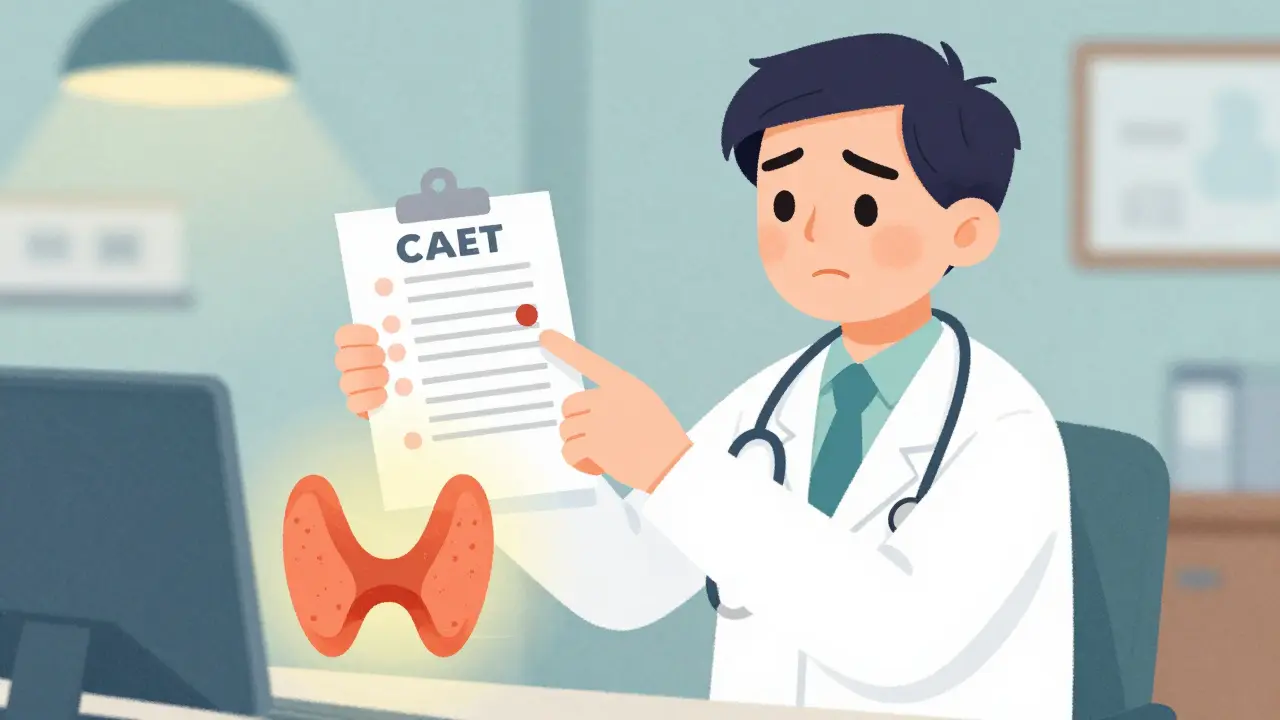
Imagine getting your annual blood work back. Everything looks normal except for one tiny number: your Thyroid-Stimulating Hormone (TSH) is slightly low. You feel fine. No weight loss, no racing heart, no anxiety. So, why does your doctor seem concerned? This is the puzzle of subclinical hyperthyroidism, a condition where your thyroid gland produces too much hormone, but not enough to trigger obvious symptoms. It’s called "subclinical" because you don’t feel sick, yet it quietly stresses your body, particularly your heart and bones. Ignoring it isn't an option, but rushing into aggressive treatment can be harmful. The key lies in understanding exactly what those lab numbers mean for your long-term health.
What Is Subclinical Hyperthyroidism?
To understand this condition, you first need to know how the thyroid works. Your thyroid is a butterfly-shaped gland in your neck that controls metabolism. It operates on a feedback loop with your pituitary gland. When thyroid hormone levels are low, the pituitary releases more TSH to stimulate production. When levels are high, TSH drops. In subclinical hyperthyroidism, your free thyroxine (FT4) and free triiodothyronine (FT3) levels are within the normal range, but your TSH is suppressed-typically below 0.45 mIU/L.
This distinction matters. Overt hyperthyroidism means your FT4 and FT3 are high, causing dramatic symptoms like rapid weight loss and tremors. Subclinical hyperthyroidism is subtler. It often goes unnoticed until routine screening picks up the abnormal TSH. According to data from the American Academy of Family Physicians, this condition affects about 4% to 8% of the general population. However, the risk skyrockets as we age. Studies published in the Journal of Clinical Endocrinology & Metabolism show that nearly 15% of people over 75 have this condition. It is frequently linked to underlying issues like nodular goiter or Graves' disease, even if those conditions haven't fully manifested yet.
The Hidden Danger to Your Heart
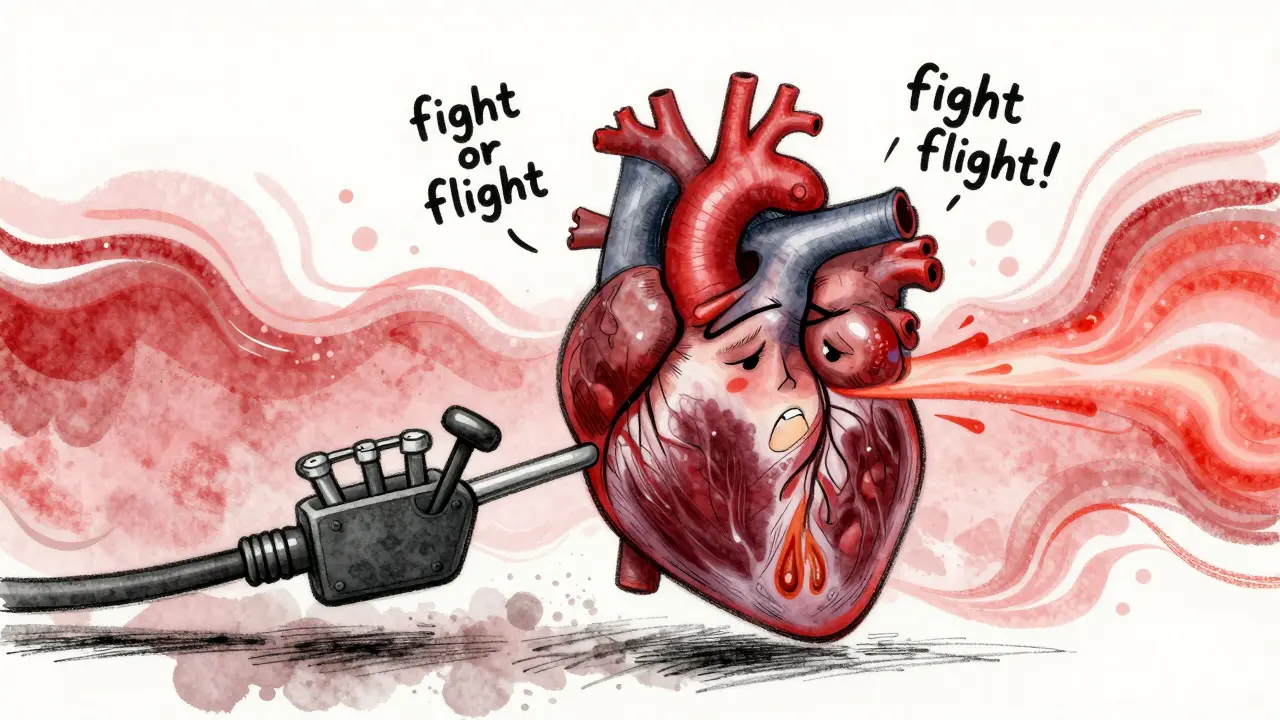
You might feel perfectly healthy, but your cardiovascular system is under stress. Thyroid hormones act like a gas pedal for your heart. Even when FT4 and FT3 are normal, a suppressed TSH indicates your body is exposed to excess thyroid activity. This shifts your autonomic nervous system, increasing sympathetic tone (the "fight or flight" response) and decreasing vagal tone (the "rest and digest" response). The result? A faster resting heart rate, higher blood pressure, and increased strain on the heart muscle.
The most significant risk is atrial fibrillation, an irregular and often rapid heart rhythm. A major meta-analysis of over 8,700 participants found that patients with TSH levels below 0.1 mIU/L had a 2.5 times higher risk of developing atrial fibrillation compared to those with normal thyroid function. Those with TSH between 0.1 and 0.44 mIU/L still faced a 1.6 times higher risk. For older adults, this is critical. Atrial fibrillation increases the risk of stroke and heart failure. Research indicates that individuals over 60 with subclinical hyperthyroidism have a tripled risk of developing atrial fibrillation over a ten-year period.
Heart failure is another serious concern. A pooled analysis of nearly 25,000 patients showed that severely suppressed TSH (below 0.1 mIU/L) was associated with a nearly double risk of heart failure. The mechanism involves structural changes to the heart, including increased left ventricular mass and diastolic dysfunction. Essentially, the heart muscle thickens and stiffens, making it harder for the heart to pump efficiently. These changes happen silently, which is why monitoring is so important even if you feel fine.
Bone Health and Cognitive Impact
Your heart isn't the only organ taking a hit. Thyroid hormones play a crucial role in bone remodeling. Excess thyroid activity accelerates bone turnover, meaning your body breaks down old bone faster than it builds new bone. Over time, this leads to decreased bone mineral density and osteoporosis. Studies cited by the American Academy of Family Physicians indicate that patients with TSH levels below 0.1 mIU/L have a hazard ratio of 2.3 for fractures compared to euthyroid (normal thyroid) individuals. This risk is particularly high for postmenopausal women, who already face declining estrogen levels that protect bone density.
Cognitive function may also be affected, though the evidence is less definitive than for heart and bone health. Some research suggests that persistent subclinical hyperthyroidism in the elderly can lead to subtle declines in executive function-the mental skills that help you plan, focus attention, and multitask. While you might not notice a sharp drop in memory, family members might observe slight changes in processing speed or mood stability. Quality of life metrics generally remain stable in mild cases, but severe TSH suppression can correlate with fatigue and reduced well-being.
When to Treat vs. When to Wait
This is where medical decision-making gets tricky. Not everyone with subclinical hyperthyroidism needs immediate treatment. The approach depends heavily on your TSH level, age, and existing health conditions. Guidelines from the American Thyroid Association emphasize individualized care rather than a one-size-fits-all rule.
| TSH Level | Patient Profile | Recommended Action |
|---|---|---|
| < 0.1 mIU/L | Adults >65 years, or any age with heart disease/osteoporosis | Consider active treatment (radioactive iodine, surgery, or antithyroid drugs) |
| < 0.1 mIU/L | Younger adults without comorbidities | Monitor closely every 3-6 months; treat if symptoms develop |
| 0.1 - 0.44 mIU/L | Patients with cardiac abnormalities or osteoporosis | Consider treatment; otherwise monitor annually |
| 0.1 - 0.44 mIU/L | Low-risk patients | Observation only; repeat TSH test in 6-12 weeks to confirm persistence |
If your TSH is mildly suppressed (0.1-0.44 mIU/L) and you are young with no other health issues, doctors usually recommend watching and waiting. Transient subclinical hyperthyroidism can occur due to viral illnesses or recovery from other conditions, so repeating the test after 6 to 12 weeks is standard practice to confirm the diagnosis. If the low TSH persists, annual monitoring is typically sufficient unless you have specific risk factors.
However, if your TSH is severely suppressed (below 0.1 mIU/L), the calculus changes. For adults over 65, or anyone with preexisting cardiovascular disease, diabetes, or osteoporosis, treatment is often recommended. The goal is to prevent irreversible damage to the heart and bones. Dr. Jacqueline Jonklaas, a leading expert in thyroid guidelines, notes that clinical judgment is paramount here. The decision balances the risks of untreated hyperthyroidism against the potential side effects of treatment.
Treatment Options and Their Trade-offs
If treatment is necessary, the method depends on the cause. If the subclinical hyperthyroidism is caused by exogenous factors-meaning you are taking too much thyroid medication for hypothyroidism-the solution is simple: reduce the dose. But for endogenous causes, such as toxic nodular goiter or early Graves' disease, options are more complex.
- Beta-Blockers: These are often the first line of defense for managing symptoms. They slow the heart rate and reduce the strain on the heart muscle. While they don't fix the thyroid issue, they provide immediate protection against atrial fibrillation and palpitations.
- Radioactive Iodine Therapy: This is a common treatment for toxic nodules. You swallow a capsule containing radioactive iodine, which is absorbed by the overactive thyroid cells and destroys them. It’s effective but carries a high risk of causing hypothyroidism (underactive thyroid), which then requires lifelong hormone replacement therapy.
- Surgery (Thyroidectomy): Removing part or all of the thyroid gland is another option, especially if there is a large goiter compressing the windpipe. Like radioactive iodine, this often leads to permanent hypothyroidism.
- Antithyroid Drugs: Medications like methimazole can block hormone production. They are less commonly used for long-term management of subclinical hyperthyroidism because they have side effects and require frequent blood monitoring, but they can be useful in specific scenarios.
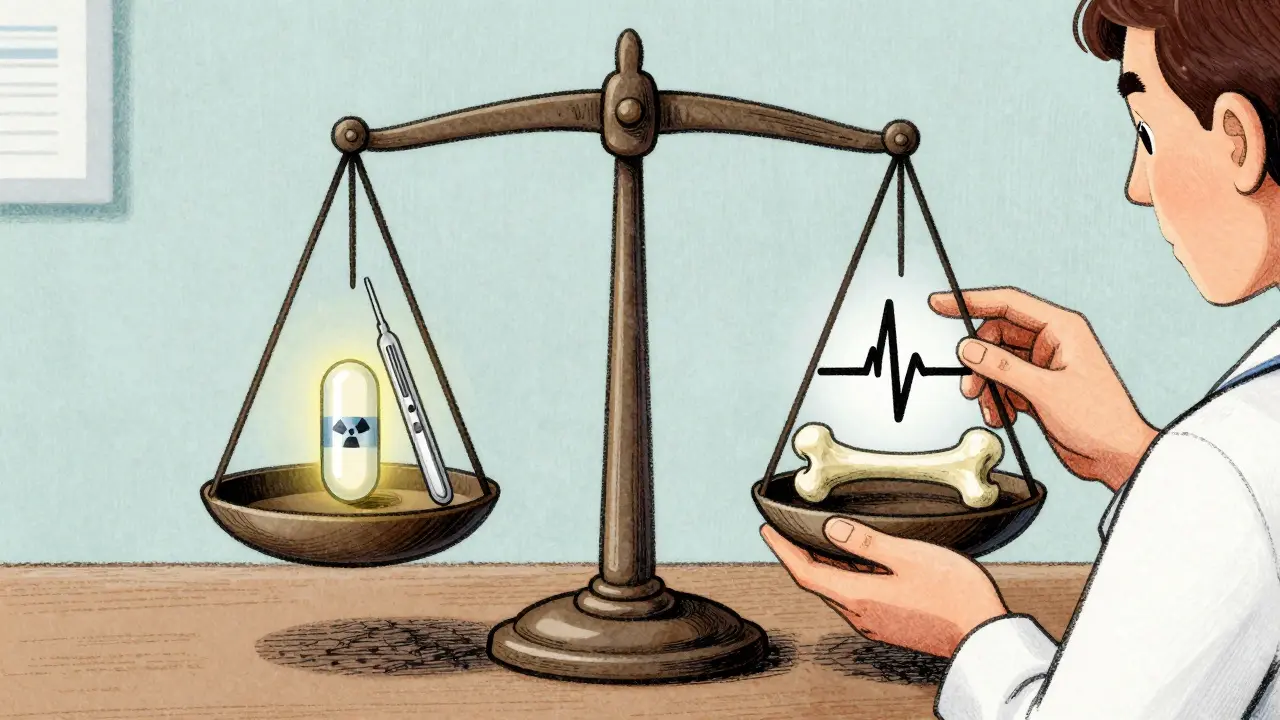
The trade-off is real. As Dr. Kenneth D. Burman points out, treating subclinical hyperthyroidism can create iatrogenic hypothyroidism. Hypothyroidism has its own cardiovascular risks, including elevated cholesterol and diastolic hypertension. Therefore, the aim is to find a balance where the thyroid function is normalized without swinging too far in the opposite direction. This is why close follow-up is essential after any intervention.
Monitoring and Future Directions
For those opting for observation, regular monitoring is non-negotiable. If your TSH is below 0.1 mIU/L, you should have blood tests every 3 to 6 months. If it’s between 0.1 and 0.44 mIU/L, annual checks are usually enough. Beyond blood work, your doctor may recommend periodic echocardiograms to check heart structure and bone density scans (DEXA) to monitor bone health, especially if you are over 60.
Research in this field is evolving. The ongoing DEPOSIT study, tracking 5,000 older adults across Europe, aims to clarify the long-term prognosis of subclinical hyperthyroidism. Preliminary results from similar trials suggest that even mild TSH suppression warrants attention in patients with preexisting heart disease. As we learn more, guidelines will likely become more precise, helping doctors tailor treatments to individual genetic and physiological profiles.
Understanding subclinical hyperthyroidism empowers you to take control of your health. It’s not just about a lab number; it’s about protecting your heart and bones before symptoms appear. By staying informed and working closely with your healthcare provider, you can navigate the decision between treatment and observation with confidence.
Is subclinical hyperthyroidism dangerous if I feel fine?
Yes, it can be. Even without symptoms, subclinical hyperthyroidism increases the risk of atrial fibrillation, heart failure, and bone fractures. The lack of symptoms makes it deceptive, but the physiological stress on your heart and bones is real, especially if your TSH is significantly suppressed.
What TSH level requires treatment?
Treatment is strongly considered if TSH is below 0.1 mIU/L, particularly in adults over 65 or those with heart disease or osteoporosis. For TSH levels between 0.1 and 0.44 mIU/L, treatment is usually reserved for patients with specific symptoms or risk factors, while others are monitored.
Can subclinical hyperthyroidism go away on its own?
In some cases, yes. Transient subclinical hyperthyroidism can occur due to illness or inflammation and may resolve within a few months. This is why doctors often repeat the TSH test after 6-12 weeks before confirming a diagnosis and starting long-term management.
How does subclinical hyperthyroidism affect bone density?
Excess thyroid activity accelerates bone turnover, leading to weaker bones and a higher risk of osteoporosis and fractures. Patients with TSH levels below 0.1 mIU/L have been shown to have more than double the risk of fractures compared to those with normal thyroid function.
What are the risks of treating subclinical hyperthyroidism?
The primary risk is causing hypothyroidism (underactive thyroid), especially with radioactive iodine or surgery. Hypothyroidism requires lifelong medication and has its own cardiovascular risks. Therefore, treatment decisions carefully weigh the benefits of preventing heart/bone issues against the burden of managing hypothyroidism.