
ART Drug Interaction Risk Checker
Select your ART class and another medication to see the risk level.
Imagine taking your daily HIV medication alongside a common over-the-counter painkiller or a herbal supplement you’ve trusted for years. For many people living with HIV, this routine is normal. But it can also be dangerous. Antiretroviral therapy (ART) saves lives by suppressing the virus, but these powerful drugs don’t always play nice with other substances in your body. When they clash, the results can range from mild side effects to life-threatening complications like heart failure or liver damage.
You might wonder why this happens. It’s not just about taking two pills at once; it’s about how your body processes them. Your liver uses specific enzymes to break down medications. Some ART drugs block these enzymes, causing other drugs to build up to toxic levels. Others speed up the process, rendering those medications useless before they can work. Understanding these high-risk interactions isn't just medical trivia-it's essential for staying healthy.
Why Drug Interactions Are Getting More Dangerous
The landscape of HIV treatment has changed dramatically. In the past, HIV was primarily a disease of younger adults. Today, thanks to effective treatments, people are living longer with the virus. According to the CDC’s 2022 report, 52% of people diagnosed with HIV in the U.S. are aged 50 or older. This demographic shift brings a new challenge: polypharmacy.
Polypharmacy means taking five or more medications regularly. If you’re over 50 and managing HIV, you’re likely also treating blood pressure, cholesterol, diabetes, or mental health conditions. A study published in *Medicina e Pharmacia Romania* found that antiretrovirals were involved in 37% of potential clinically significant drug-drug interactions (CSDIs). Statins came second at 19%, followed by pain relievers at 11%. The more pills you take, the higher the risk. Each additional medication increases your interaction risk by roughly 18%.
- Age Factor: Older adults metabolize drugs differently, making them more sensitive to interaction effects.
- Comorbidities: Conditions like cardiovascular disease require meds that often conflict with ART.
- Supplements: Herbal remedies and vitamins aren’t regulated like prescription drugs, yet they can still trigger severe reactions.
How Your Liver Processes These Drugs
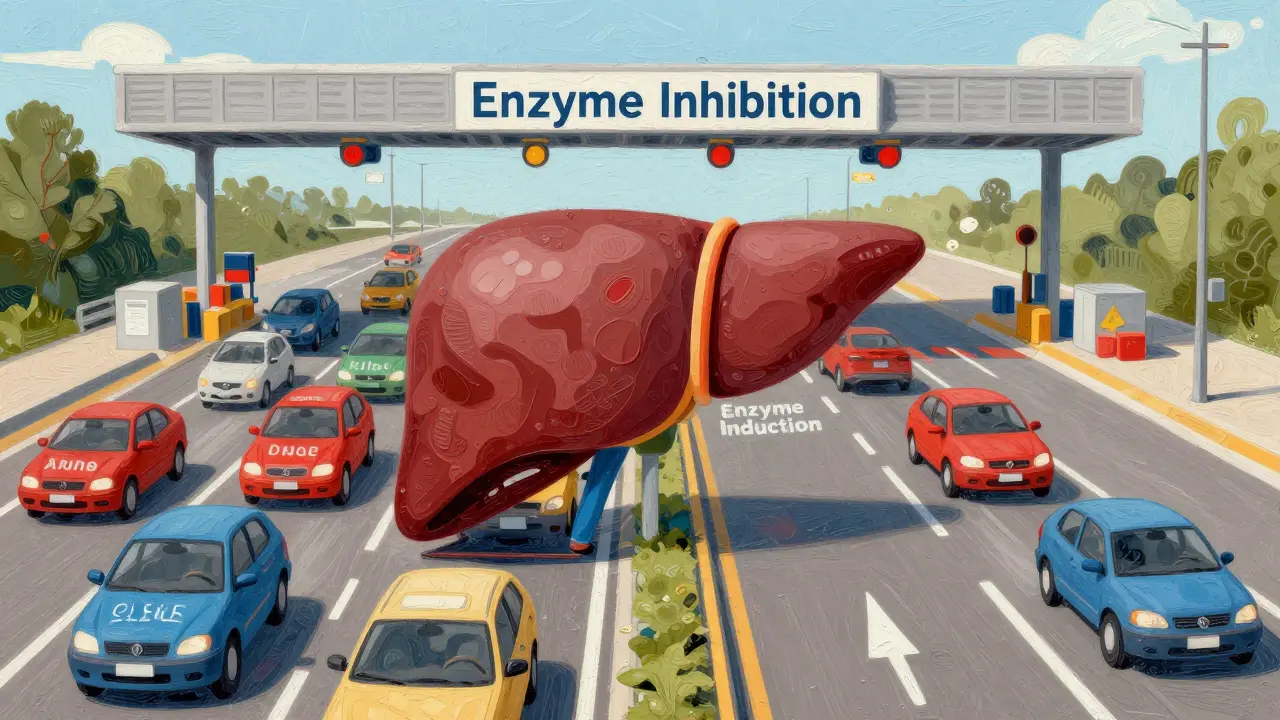
To understand the danger, you need to look under the hood at your liver’s enzyme system, specifically the cytochrome P450 family, particularly the CYP3A4 enzyme. Think of CYP3A4 as a busy highway toll booth. Most drugs pass through it to get broken down and eliminated from your body.
Some ART classes act like roadblocks. They inhibit (block) the toll booth, causing traffic jams. Other drugs pile up behind the blockade, leading to dangerously high concentrations in your bloodstream. Conversely, some drugs act like fast lanes, inducing (speeding up) the enzyme so much that other medications are processed too quickly to be effective.
| ART Class | Mechanism | Risk Level | Key Examples |
|---|---|---|---|
| Protease Inhibitors (PIs) | CYP3A4 Inhibitors | High | Ritonavir, Darunavir |
| NNRTIs | CYP3A4 Inducers/Inhibitors | Moderate | Efavirenz, Rilpivirine |
| INSTIs | Minimal CYP Interaction | Low | Dolutegravir, Bictegravir |
This distinction is crucial. If you’re on a Protease Inhibitor-based regimen, you have to be extremely careful. If you’re on an Integrase Strand Transfer Inhibitor (INSTI), you generally have more breathing room, though not total freedom.
The High-Risk Offenders: What to Avoid
Not all interactions are created equal. Some combinations are merely inconvenient; others are deadly. Here are the most critical clashes you need to know about.
Statins and Cholesterol Meds
If you have high cholesterol, your doctor might prescribe a statin. However, combining certain statins with boosted PIs is absolutely contraindicated. Simvastatin and Lovastatin should never be taken with ritonavir or cobicistat. Why? Because the PI blocks their breakdown, increasing their concentration in your blood by 20 to 30 times. This can lead to rhabdomyolysis-a condition where muscle tissue breaks down and releases proteins into the blood, potentially causing kidney failure and death. Safer alternatives include pitavastatin or fluvastatin, which have cleaner profiles.
Steroids and Corticosteroids
Inhaled steroids like fluticasone or budesonide are common for asthma or allergies. When combined with ritonavir-boosted regimens, they can cause adrenal insufficiency or Cushing’s syndrome. Adrenal insufficiency means your body stops producing enough cortisol, a vital hormone. Symptoms include extreme fatigue, weight loss, and low blood pressure. In severe cases, this requires hospitalization. Always tell your pulmonologist if you’re on boosted ART.
Psychiatric Medications
SSRIs (selective serotonin reuptake inhibitors) like fluoxetine are widely used for depression and anxiety. Ritonavir inhibits the metabolism of many SSRIs, potentially leading to serotonin syndrome-a potentially fatal condition characterized by agitation, high fever, rapid heart rate, and seizures. Doctors often reduce the SSRI dose by 50% when co-administered with ritonavir. Never adjust these doses on your own.
Erectile Dysfunction Drugs
Medications like sildenafil (Viagra) and avanafil (Stendra) interact significantly with PIs. Avanafil is contraindicated entirely with ritonavir or cobicistat due to a 4- to 5-fold increase in drug levels. Sildenafil requires strict dose limitations-often capped at 25mg every 48 hours instead of the standard 50-100mg. Ignoring this can cause severe hypotension (dangerously low blood pressure).
The INSTI Advantage: Fewer Headaches, Not Zero Risks
If you want simplicity, Integrase Strand Transfer Inhibitors (INSTIs) are currently the gold standard. Drugs like dolutegravir and bictegravir have minimal impact on the CYP450 system. Bictegravir, for instance, has only 7 major documented interactions compared to ritonavir’s staggering 217. This makes INSTIs ideal for patients who take multiple other medications.
However, “fewer” doesn’t mean “none.” Dolutegravir, for example, interacts with metformin, a common diabetes drug. It reduces metformin concentrations by 33%, which could lead to poorly controlled blood sugar. Additionally, while INSTIs are safer, they still require caution with strong inducers like rifampin (used for tuberculosis), which can slash bictegravir levels by 71%, rendering the HIV treatment ineffective.
Hidden Triggers: Herbs and Recreational Drugs
We often think only of prescription pills when worrying about interactions, but non-prescription substances are frequent culprits. St. John’s Wort, a popular herbal remedy for mild depression, is a potent CYP3A4 inducer. It can reduce efavirenz concentrations by 50-60%, potentially leading to viral rebound and resistance. You might feel fine, but the virus is multiplying unchecked.
Recreational drugs pose similar risks. Ketamine, for instance, is metabolized by CYP3A4. If you’re on a ritonavir-boosted regimen, the ketamine stays in your system much longer, prolonging its effects and increasing the risk of overdose or respiratory issues. Always disclose recreational use to your healthcare provider-not to judge you, but to keep you safe.
Your Action Plan: Managing the Risk
You don’t have to navigate this minefield alone. Here’s how to stay safe:
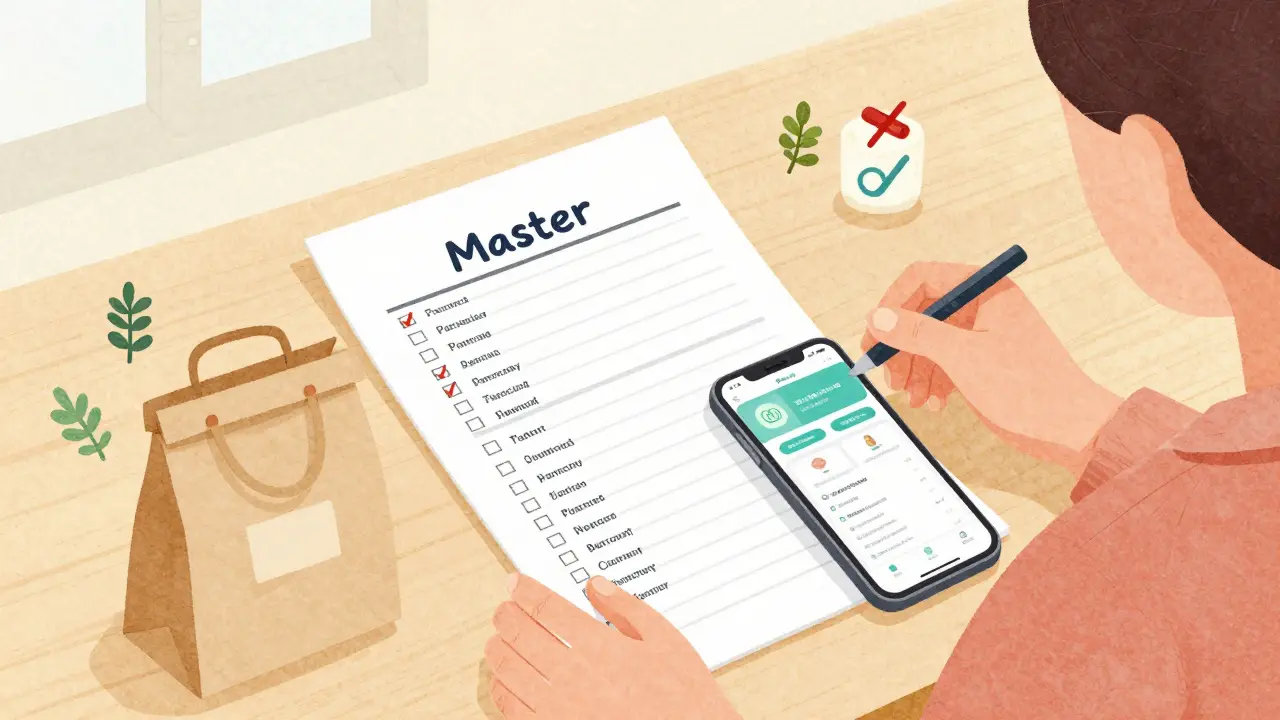
- Keep a Master List: Maintain an updated list of all prescriptions, over-the-counter meds, vitamins, and herbal supplements. Update it every time you add or drop something.
- Use One Pharmacy: Using a single pharmacy allows the pharmacist to flag potential interactions automatically. Splitting prescriptions across different pharmacies hides these conflicts.
- Consult the Experts: Before starting any new med, ask your doctor or pharmacist: “Does this interact with my HIV meds?” Don’t assume it’s safe because it’s over-the-counter.
- Check Online Resources: The University of Liverpool HIV Drug Interactions Checker is a comprehensive, evidence-based tool used by clinicians worldwide. It’s free and accessible. Use it to double-check complex combinations.
- Watch for Symptoms: Know the signs of adverse reactions. Unexplained muscle pain, extreme fatigue, irregular heartbeat, or mood changes warrant immediate medical attention.
Remember, the goal of ART is to suppress the virus to undetectable levels and maintain your overall health. Drug interactions threaten both goals. By being proactive and informed, you protect your long-term well-being.
Can I take aspirin with antiretroviral therapy?
Generally, yes. Low-dose aspirin (81mg) for heart health usually does not have significant interactions with most modern ART regimens, including INSTIs and NNRTIs. However, if you are on boosted Protease Inhibitors, monitor for increased bleeding risk, as some PIs can affect platelet function slightly. Always confirm with your cardiologist or HIV specialist.
What happens if I accidentally take a contraindicated medication?
If you realize you’ve taken a contraindicated drug, contact your healthcare provider or poison control immediately. Do not wait for symptoms to appear. Some interactions, like those causing rhabdomyolysis or serotonin syndrome, can progress rapidly. Bring the medication bottle with you to the clinic or hospital.
Are there any safe supplements for people on ART?
Many basic multivitamins are safe, but avoid anything containing St. John’s Wort, kava, or high doses of green tea extract, as these can induce liver enzymes. Vitamin D and calcium are often recommended for bone health, especially if you’ve been on older ART classes, but check dosages with your doctor to avoid toxicity.
How do long-acting injectables change the interaction risk?
Long-acting injectables like cabotegravir and rilpivirine stay in your system for months. If you start a new interacting medication after your last injection, the interaction can persist for up to 12 months. This makes planning ahead even more critical than with daily pills.
Is it safe to drink alcohol while on ART?
Moderate alcohol consumption is generally safe with most modern ART regimens. However, alcohol can worsen side effects like nausea or dizziness. More importantly, heavy drinking can impair your ability to take medications consistently, leading to missed doses and potential resistance. Also, avoid mixing alcohol with sedatives or opioids if you are on boosted PIs, as the combination can be dangerous.