
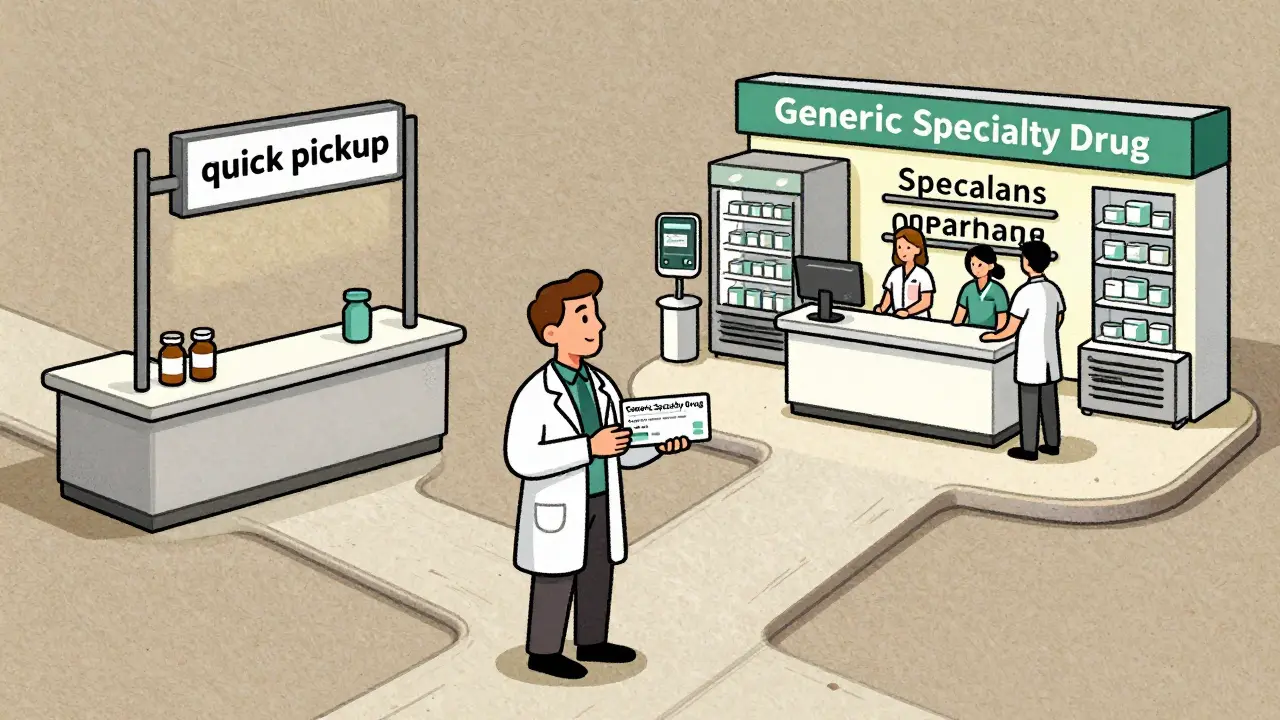
Imagine a patient switching from a high-cost brand-name biologic to a more affordable generic version. You might assume the prescription moves to a local retail counter for quick pickup. In reality, it often stays within the complex ecosystem of specialty pharmacy. This shift confuses many healthcare providers and patients alike. Why does a "generic" drug still require the heavy infrastructure of a specialty distributor? The answer lies not in the price tag, but in the complexity of care.
The role of providers in dispensing these medications has evolved significantly. It is no longer just about handing over pills; it is about managing intricate workflows, ensuring compliance with strict safety protocols, and maintaining continuity of care even as the product changes. Understanding this dynamic is crucial for clinicians who prescribe these therapies and pharmacists who manage them.
Defining the Landscape: What Are Generic Specialty Drugs?
To understand the provider's role, we must first clarify what we are talking about. Specialty pharmaceuticals are medications that treat complex, chronic, or rare conditions and require special handling, administration, or monitoring. According to the Academy of Managed Care Pharmacy (AMCP), these drugs account for roughly 56% of total pharmaceutical spending in the U.S., despite making up only about 3% of all prescriptions. They are often large, protein-based molecules produced through biotechnology.
When we talk about "generics" in this space, we are usually referring to two distinct categories:
- Biosimilars: These are highly similar versions of reference biologics. Because biological molecules are too complex to be identical copies, they cannot have true "generics" in the traditional sense. Biosimilars serve as the functional equivalent.
- Generic Small-Molecule Specialty Drugs: These are chemically identical copies of small-molecule drugs that still require specialty distribution due to manufacturer mandates or complex administration needs.
The key insight here is that the classification as a "specialty drug" is driven by clinical complexity and distribution requirements, not just cost. As industry analyst John Prince notes, the distinction between brand and generic becomes almost irrelevant in specialty pharmacy because the service model determines the distribution channel.
The Provider's Core Responsibilities in Dispensing
For healthcare providers-whether physicians prescribing the therapy or pharmacists dispensing it-the workflow for generic specialty drugs mirrors that of their branded counterparts. The American Society of Health-System Pharmacists (ASHP) outlines a structured process that remains consistent regardless of the product's origin.
- Prescription Intake and Verification: Providers must ensure the prescription includes all necessary data elements. Unlike retail prescriptions that need 5-7 data points, specialty pharmacies typically require 12-15 elements per patient, including detailed medical history and insurance information.
- Prior Authorization (PA) Management: This is often the biggest bottleneck. Even for generic versions, PAs can be resource-intensive. Providers must navigate therapeutic interchange restrictions that may block automatic substitution.
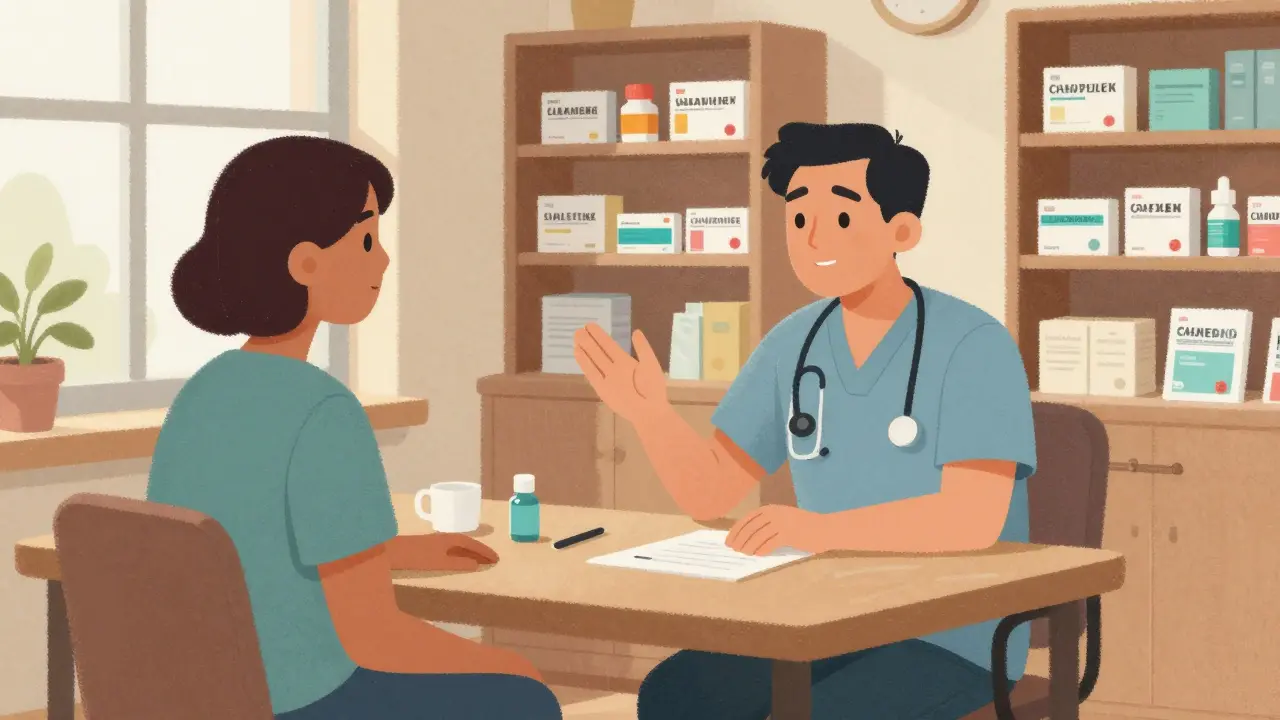
- Clinical Assessment and Counseling: Pharmacists must verify that the patient understands how to administer the drug, especially if it involves injections or infusions. This step is critical for both biosimilars and generic small molecules.
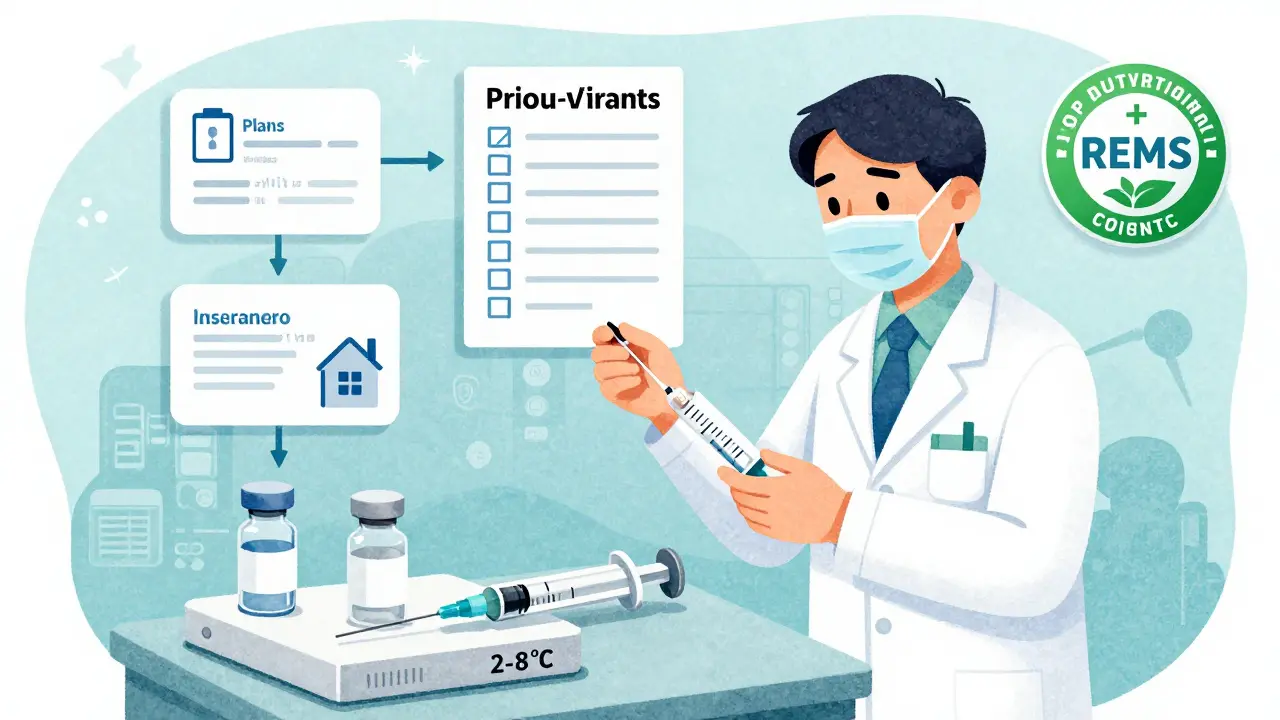
- Risk Evaluation and Mitigation Strategies (REMS): Many specialty drugs require REMS programs mandated by the FDA. Providers must ensure patients are enrolled and compliant with specific safety monitoring protocols.
- Ongoing Monitoring: This includes tracking adverse events, scheduling lab tests, and ensuring adherence. The transition to a generic should not disrupt this continuity.
A 2023 study published in PMC highlighted that specialization among pharmacists in certain diseases, particularly hepatitis C and cancer, serves as a significant facilitator for efficient processing. This expertise is vital when handling generic specialty drugs, as the clinical nuances remain the same even if the manufacturer changes.
Why Generic Specialty Drugs Stay in Specialty Pharmacies
You might wonder why a generic version of a drug doesn't simply move to a retail pharmacy. The primary reason is mandatory distribution programs. Manufacturers often establish exclusive distribution channels for their products, whether brand or generic. If a manufacturer chooses to distribute its drug through a specialty pharmacy, then only a specialty pharmacy can dispense it.
Additionally, the service model required for these drugs extends far beyond traditional retail services. As Cheryl Allen, BPharm, MBA, noted, it is "way more than 'ding-dong, here's your pills.'" There are patient care coordinators, nurses, and pharmacists working with these patients. For example, a patient switching to a generic version of Xeljanz still requires nurse follow-ups and case history management, which retail pharmacies are not equipped to provide at scale.
Another factor is the technical requirement for temperature-controlled storage and shipping. Many specialty drugs, including some generics, must be maintained at 2-8°C. Specialty pharmacies have the infrastructure to handle this, while most retail locations do not.
| Feature | Retail Pharmacy | Specialty Pharmacy |
|---|---|---|
| Turnaround Time | ~1.2 days | ~7.2 days |
| Data Elements Required | 5-7 | 12-15 |
| Patient Support | Basic counseling | Dedicated care coordinators, nurses |
| Storage Requirements | Standard room temperature | Temperature-controlled (2-8°C) |
| REMS Compliance | Limited capability | Integrated protocols |
| Dispensing Fee | $4-$10 | $250-$500 |
Navigating Prior Authorization and Reimbursement Hurdles
One of the most frustrating aspects of dispensing generic specialty drugs is the prior authorization process. Despite being lower-cost options, generic specialty drugs sometimes face similar authorization hurdles as branded versions due to therapeutic interchange restrictions. A significant challenge identified in recent studies is that the PA process is resource-intensive and a growing burden for providers.
However, technology is helping to streamline this. The implementation of "Real-Time Prescription Benefit" (RTPB) technology has reduced prior authorization processing time by an average of 3.2 days across millions of specialty prescriptions. Providers should leverage RTPB tools to check coverage and eligibility instantly, reducing delays for patients transitioning to generic options.
Reimbursement structures also play a role. Specialty pharmacies typically charge a dispensing fee plus a percentage markup on drug cost. With average dispensing fees ranging from $250 to $500 per prescription, the financial dynamics are different from retail. Providers need to understand these costs to counsel patients accurately about out-of-pocket expenses, which can vary significantly depending on the plan design.
Patient Perspectives and Continuity of Care
From the patient's viewpoint, the transition to a generic specialty drug can be anxiety-inducing. Will the new drug work the same way? Will I lose my dedicated care team? User experiences documented on platforms like Reddit reveal mixed perspectives. Some patients appreciate the continued support, noting that their generic version still comes through the same specialty pharmacy with the same nurse follow-ups. Others express frustration over higher copays or delivery delays compared to retail experiences.
A survey by MyHealthTeams found that 68% of patients preferred staying with the same specialty pharmacy when transitioning to a generic version due to established therapeutic relationships. This highlights the importance of continuity. Providers should encourage patients to maintain their relationship with their current specialty pharmacy whenever possible, rather than switching distributors solely based on the generic status of the drug.
Trustpilot reviews show that while clinical support scores high (4.2/5 stars), delivery speed lags behind (3.1/5 stars). Providers should set realistic expectations for patients regarding turnaround times, which average 7.2 days from prescription receipt to delivery readiness.
Future Trends: Biosimilars and Market Consolidation
The landscape of generic specialty drugs is shifting rapidly with the rise of biosimilars. CMS rules implemented in 2024 require Medicare Part D plans to cover all FDA-approved biosimilars of reference biologics. This is expected to increase the volume of generic specialty drugs flowing through specialty pharmacies by 40% by 2026.
Market consolidation is another trend. Major players like OptumRx, CVS Specialty, and Express Scripts dominate the market, but health systems are increasingly looking to bring specialty dispensing in-house. According to ASHP's 2024 survey, 63% of surveyed health systems plan to expand their own specialty pharmacy operations. This could disrupt traditional distribution models, potentially creating new opportunities for providers to manage dispensing directly within hospital settings.
Despite these changes, the core value proposition of specialty pharmacies remains intact. The complexity of administration and monitoring requirements, not the brand-generic status, determines the need for specialized services. As long as patients require high-touch care, education, and monitoring, the provider's role in coordinating this care will remain essential.
Can generic specialty drugs be dispensed at retail pharmacies?
Generally, no. Even if a generic version exists, manufacturers often mandate distribution through specialty pharmacies due to complex handling, administration training, and monitoring requirements. Additionally, many specialty drugs require REMS compliance and temperature-controlled storage, which retail pharmacies typically lack.
What is the difference between a generic small-molecule and a biosimilar?
A generic small-molecule drug is chemically identical to its brand-name counterpart. A biosimilar is a highly similar version of a biologic drug. Because biologics are large, complex proteins produced in living cells, they cannot be exact copies. Biosimilars must demonstrate no clinically meaningful differences in safety, purity, and potency.
Why does prior authorization take so long for generic specialty drugs?
Prior authorizations for specialty drugs involve verifying complex medical necessity, checking for therapeutic interchange restrictions, and ensuring compliance with payer-specific formulary rules. Even for generics, insurers may require documentation that the patient has failed previous therapies or meets specific clinical criteria, leading to delays.
Should patients switch specialty pharmacies when moving to a generic drug?
It is often better to stay with the same specialty pharmacy. Maintaining the same care team ensures continuity of care, as the pharmacists and nurses already know the patient's history and treatment response. Switching pharmacies can lead to gaps in monitoring and additional administrative burdens.
How do biosimilars impact the specialty pharmacy market?
Biosimilars are increasing the volume of generic specialty drugs. With new CMS rules requiring coverage of FDA-approved biosimilars, specialty pharmacies are seeing a surge in demand. This trend is driving technological upgrades and potentially reshaping distribution models as health systems consider bringing dispensing in-house.