
Global Perspectives on Generics: International Policies and Practices Guide
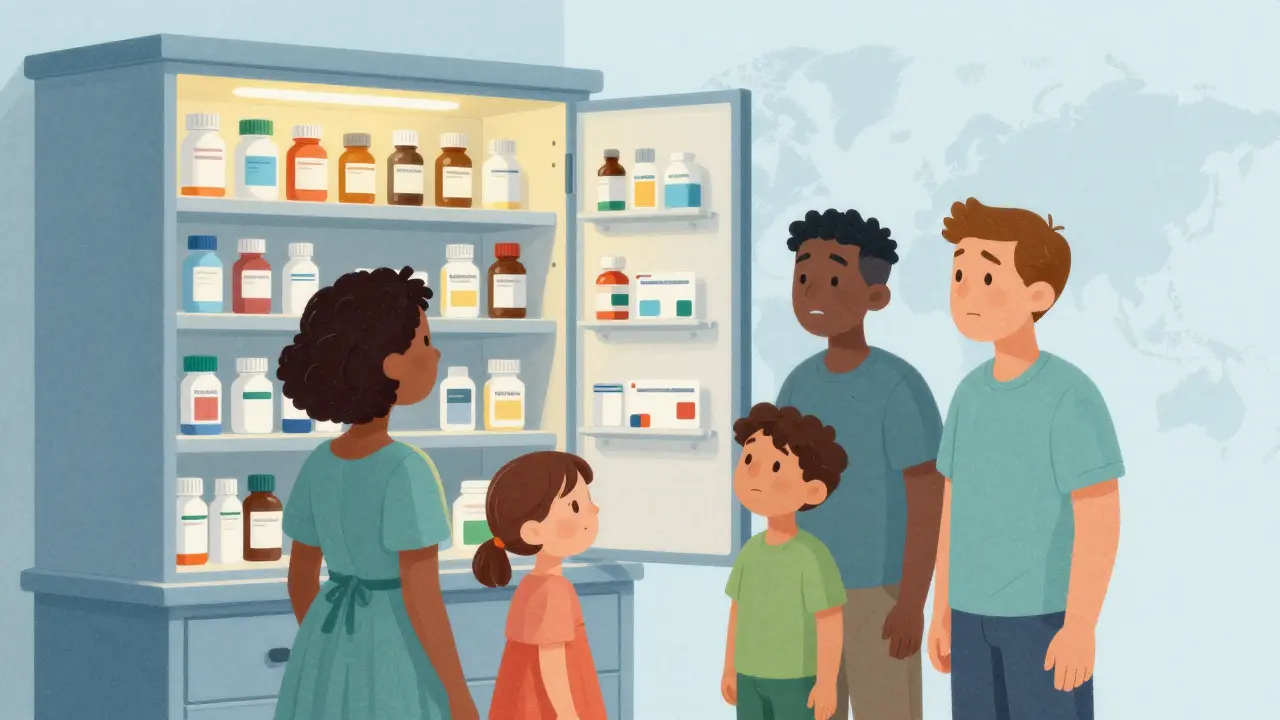
Imagine needing life-saving medication but having to choose between paying a fortune or risking health because you cannot afford it. That was the reality for millions before generic drugs became a standard part of healthcare. Today, Generic Drugs are therapeutically equivalent alternatives to branded medications that enter the market once patents expire, serving as a critical tool for affordability. However, the journey from a laboratory to your medicine cabinet looks very different depending on which government writes the rules.
In the United Kingdom, we often talk about the National Health Service, but the story isn't unique to us. Every major economy has its own playbook for managing these medicines. Some countries prioritize cheap prices above all else, while others try to protect innovation incentives. By early 2026, over 100 countries have implemented systematic frameworks, yet the results vary wildly. If you want to understand why your prescription costs differ from a neighbor's across the ocean, you need to look at these international policies.
The Core Value Proposition of Generic Medicines
Why do governments obsess over these policies? It boils down to one thing: cost containment without sacrificing safety. When a brand-name drug patent expires, competitors can make their version. This competition usually drives prices down significantly. The World Health Organization estimates that effective substitution policies can slash pharmaceutical expenditures by 30% to 80%. For a family budgeting for chronic conditions, that difference can mean the difference between skipping doses and staying healthy.
However, "effective" depends entirely on definition. A generic isn't just a copy; it must pass strict tests for Bioequivalence Standards are regulatory requirements proving the generic behaves similarly in the body compared to the original. Regulators look at absorption rates, ensuring the Area Under the Curve (AUC) falls within 80% to 125% of the originator product. Without this technical guardrail, saving money could come at the cost of efficacy. The global challenge remains finding the sweet spot where prices drop, but quality never does.
The American Model: High Penetration, Complex Pricing
The United States often leads the conversation on generics, even though its overall drug prices remain high globally. How is that possible? The answer lies in the mix of high usage and high base costs for branded drugs. According to recent data from 2025, Federal Drug Administration (FDA) records show that generic medications account for roughly 90.1% of prescriptions filled. That is a massive scale of adoption.
The system relies heavily on the Hatch-Waxman Act, passed back in 1984. This law created the Abbreviated New Drug Application (ANDA) pathway, allowing companies to skip full clinical trials if they prove equivalence. It also granted 180 days of exclusivity to the first company to file a generic version. This "first mover" bonus encourages competition. In late 2024, the FDA had approved over 11,000 generic products through this process. The economic impact is clear: Medicare saved an estimated $142 billion in 2025 alone thanks to these lower-cost options. Yet, the public sector net prices are still 18% lower than peer nations, driven by negotiating power rather than pure policy design.
European Fragmentation: One Market, Many Prices
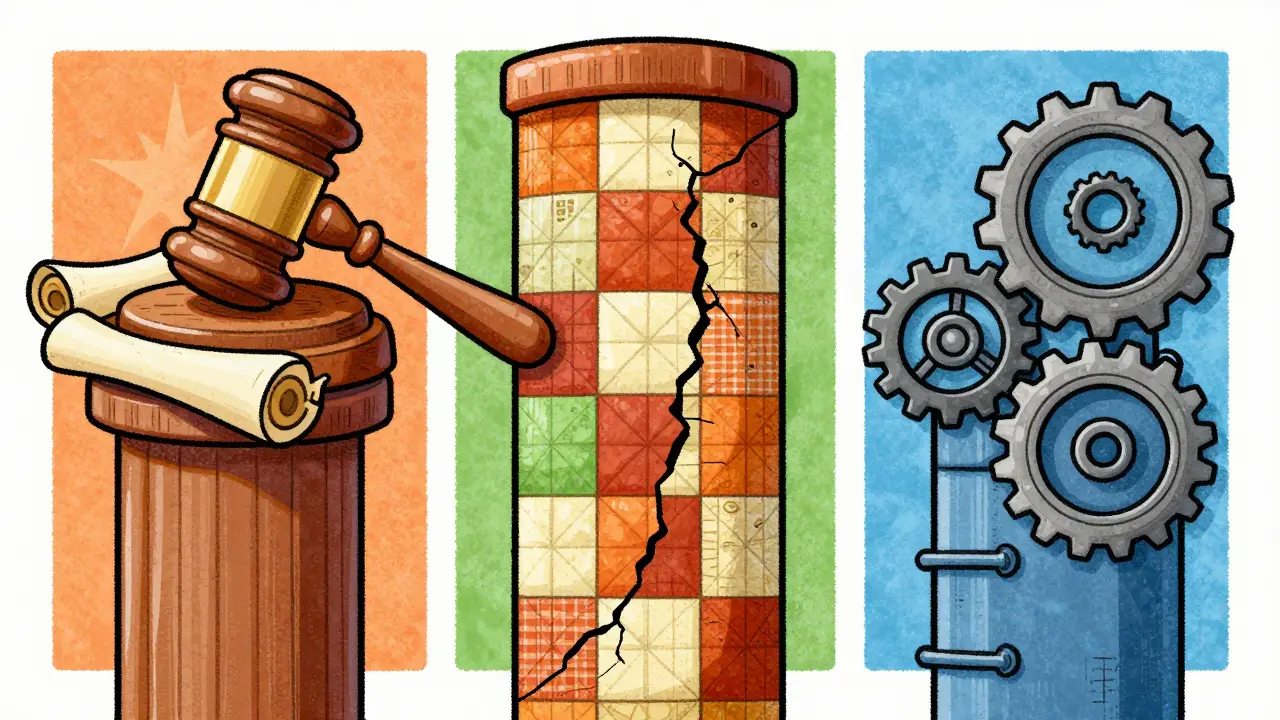
Move to Europe, and the landscape shifts dramatically. You might think the European Union acts as a single block, but for medicines, it behaves like a patchwork quilt. While the European Medicines Agency (EMA) handles centralized marketing authorization, pricing decisions stay local. This creates a curious paradox where identical bottles of medicine sell for vastly different amounts in neighboring countries.
A report from 2025 highlighted that price variations for the same generic could exceed 300% between borders. Countries like the Netherlands use external reference pricing, benchmarking against specific neighbors to force prices down. Germany mandates pharmacy substitution, ensuring pharmacists automatically switch prescriptions to cheaper versions unless specified otherwise, achieving an 88.3% utilization rate. Conversely, Italy lags behind despite similar economic pressures. This fragmentation limits cross-border competition, meaning manufacturers can charge more in markets with weaker negotiations. Patients traveling within the Schengen Zone sometimes find themselves surprised by the cost of refills.
Asian Powerhouses: Aggregation and Manufacturing
While the West focuses on regulation, parts of Asia are redefining manufacturing and procurement. China has taken a particularly aggressive turn with its Volume-Based Procurement (VBP) policy. Starting as a pilot in 2018, it went nationwide by 2020. The government acts as a single buyer, forcing manufacturers to bid against each other. The result? Average price reductions exceeding 54.7%, with some categories seeing drops up to 93%.
National Medical Products Administration (NMPA) approvals have accelerated to under a year to keep up with demand. However, the margins are razor-thin. By 2025, nearly a quarter of manufacturers reported negative margins on contracted products. This pressure raises valid concerns about supply chain resilience. We saw shortages of medications like Amlodipine besylate during transition periods in 2024 when producers couldn't sustain operations at those prices.
India plays a different role entirely. Known as the world's pharmacy, it supplies about 20% of global generic volume. Their Patents Act allows compulsory licensing, enabling rapid entry into the market when originators hold monopolies on essential drugs. This keeps medicines affordable for developing nations, though it sparks frequent patent litigation with big pharma companies in the West. The quality control here has improved significantly, though concerns about data integrity led to increased warning letters from regulators recently.
Comparing Regional Strategies
| Region | Utilization Rate | Key Mechanism | Price Impact |
|---|---|---|---|
| United States | 90.1% | Hatch-Waxman / ANDA | High Savings ($142B Medicare) |
| European Union | 65% | National Reference Pricing | Fragmented Variation |
| China | Variable | Volume-Based Procurement | Cuts up to 93% |
| India | High Vol. | Compulsory Licensing | Affordability Focus |
| South Korea | Restricted | Differential Pricing System | Tiered Rebates |
This snapshot reveals why there is no "one size fits all" approach. Each region balances three competing goals: keeping prices low, ensuring steady supply, and maintaining incentive for new drug discovery. When you push too hard on one, you often compromise another.

Quality Concerns and Patient Trust
No discussion on generics is complete without addressing trust. In the US, surveys indicate 78% satisfaction with generics among patients. However, in forums, complaints often arise regarding insurance formularies that oddly favor brand names. Pharmacy Benefit Managers sometimes manipulate tiers, making copays for generics higher than expected.
Europe sees a slightly different anxiety. About 44% of patients worry about quality differences, especially for "narrow therapeutic index" drugs like antiepileptics or anticoagulants where slight changes in dosage matter immensely. Experts agree that education is key. Pharmacists play a huge role here; when they explain the equivalency clearly, acceptance rates jump by 20% to 35%. It is not just about the molecule; it is about communicating confidence in the system.
Looking Ahead: Trends for 2026 and Beyond
The landscape is shifting fast. As we move through 2026, several developments promise to reshape the industry. In the United States, the Inflation Reduction Act will begin fully subjecting top-selling drugs to government negotiation starting in phases until 2028. This could strip revenue from originators and encourage earlier generic entry.
In Europe, a proposed Pharmaceutical Package aims to harmonize pricing across member states, potentially reducing the approval delays currently seen in hybrid procedures. Meanwhile, China plans to expand its VBP to 150 additional products by January 2026, committing winners to supply 80% of hospital demand. These moves suggest a trend toward consolidation. Smaller manufacturers might disappear, leaving fewer players with integrated capabilities to survive the margin compression predicted by analysts.
We must watch the quality standards closely. As prices fall, regulatory bodies like the FDA are seeing an uptick in import alerts related to manufacturing issues. Ensuring that quality does not erode under price pressure remains the biggest risk factor for the next decade.
Frequently Asked Questions
What exactly defines a generic drug?
A generic drug contains the same active ingredient, strength, and dosage form as the original branded drug. It must be proven bioequivalent, meaning it performs in the body similarly, usually costing much less due to lack of R&D investment.
Are generics safe compared to brands?
Yes, regulators like the FDA and EMA enforce strict standards. They require bioequivalence testing within specific ranges. However, patients should consult doctors regarding narrow therapeutic index drugs where small variations matter.
How do international policies affect my costs?
Policies determine availability and pricing caps. For instance, reference pricing in Europe or volume procurement in China forces lower prices. In the US, private payers influence the final out-of-pocket cost significantly through formularies.
What is the Hatch-Waxman Act?
This 1984 US legislation established the legal pathway for generic drug approval. It allows generic makers to skip clinical trials if they match the brand name's performance, promoting faster competition after patents expire.
Will generic prices rise in the future?
Trends suggest consolidation may occur. As margins tighten, some manufacturers exit the market, potentially stabilizing or slightly increasing prices for certain niche generics, though overall pressure for affordability remains high.
Calvin H
I'm tired of watching my insurance pick winners and losers based on corporate contracts instead of medical need.
Katie Riston
The concept of bioequivalence is truly fascinating when you stop to think about what it actually means for the individual.
We are told that eighty percent to one hundred twenty-five percent variance is acceptable for absorption rates.
But does the body really care about those statistical margins when it comes to something like heart medication?
There is a philosophical weight to trusting a chemical compound produced in a factory thousands of miles away.
If we accept that cost containment drives these policies, we have to ask who loses out when the margin becomes too thin.
Manufacturers go under and supply chains break down in places that cannot afford redundancy.
Patients then face shortages that force them back onto brand name drugs anyway.
It creates a cycle of dependency that looks remarkably like market manipulation disguised as public service.
We see governments trying to optimize these numbers while ignoring the human element involved in taking the pill.
The data suggests significant savings but often fails to capture the anxiety of switching providers mid-treatment.
Perhaps the real issue lies in the regulatory lag rather than the product itself.
Bureaucrats prioritize paperwork efficiency over clinical nuance in almost every sector.
We must consider that trust is a currency that devalues faster than money.
Once a patient feels cheated by a generic substitution, they rarely return to that mindset.
So much effort goes into proving equivalence yet so little goes into communicating it effectively.
The gap between regulation and perception remains the biggest hurdle of our time.
Brian Yap
You raise good points about the trust deficit but people forget how expensive the alternative is.
The reality is still harsh for everyone trying to budget for their family.
Ruth Wambui
Big Pharma pulls the strings behind the curtain while politicians pretend to protect consumers.
They want us to believe in fairness but the ink always runs red with profit motives.
Jonathan Sanders
Your shadowy puppet masters are probably just stressed middle managers filling out spreadsheets.
Conspiracy theories rarely hold up when you look at actual compliance reports.
Carolyn Kask
We pay more here because our laws value human life slightly higher than your budget quotas do.
This fragmentation helps our domestic research sectors stay competitive globally.
Jonathan Alexander
The silence from major health organizations regarding these shifts is genuinely concerning for future access.
I worry we are trading stability for temporary financial relief measures.
Charles Rogers
Concerned does not equal informed and you seem to lack basic economic literacy on this topic.
Price signals drive innovation and suppression of those markets hurts long term discovery.
Kendell Callaway Mooney
The Hatch Waxman Act balances patent protection with competition through abbreviated approval pathways.
This system allows manufacturers to skip certain trials while maintaining safety standards.
Cameron Redic
Everyone claiming this fixes prices clearly has never worked inside a supply chain distribution network.
The complexity of logistics is being ignored by people sitting in boardrooms.
emma ruth rodriguez
It is important; indeed critical; that stakeholders understand the nuanced regulatory framework governing substitutions.
Furthermore; adherence to guidelines; ensures continuity across different jurisdictions.
Rick Jackson
Agreed on the need for nuance though accessibility remains the primary metric for most families.
We need to find a middle ground that works for everyone involved.
Beccy Smart
Generic drugs save lives 😐 sometimes the profit motive gets in the way 🚫