
Antibiotic Side Effect Manager
Select the symptom you are experiencing:
Managing Nausea
Stomach irritation is common. Here is how to handle it based on your medication type:
- Amoxicillin & most antibiotics: Take with food. A small snack like crackers or toast works wonders.
- Tetracyclines: Must be taken on an empty stomach. If this causes nausea, try taking it with just one plain cracker to coat the stomach without blocking absorption.
Immediate Actions
Managing Diarrhea
Antibiotics disrupt good gut bacteria. Replenishing them is key.
Recommended Steps
Managing Sun Sensitivity
Drugs like doxycycline make your skin highly susceptible to burns (photosensitivity).
Protection Checklist
Managing Esophageal Irritation
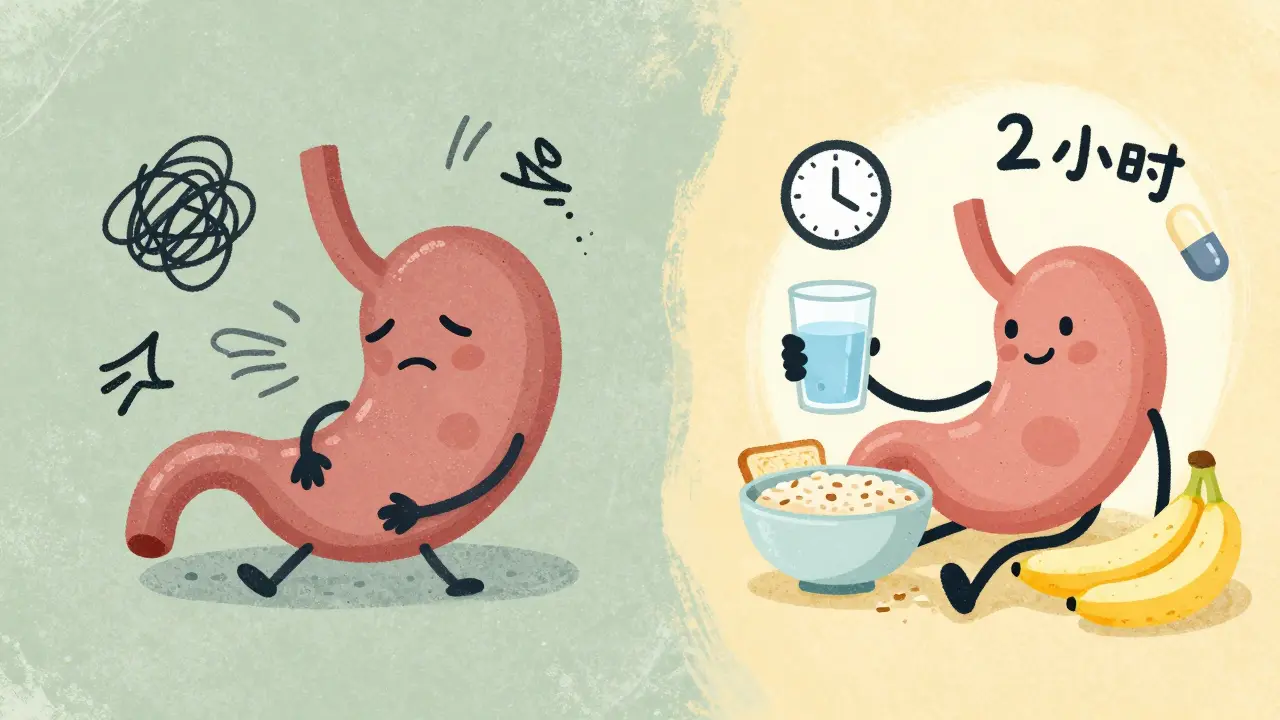
Certain pills (like Doxycycline) can burn the esophagus if they get stuck. Follow the "Sit Up and Drink Up" rule.
Safety Protocol
Allergic Reaction Check
Stop Medication Immediately!
If you have hives, difficulty breathing, or swelling of the face/throat, call emergency services now.
Differentiate between a minor rash and an allergy:
| Symptom | Type |
|---|---|
| Mild, non-itchy rash | Possible side effect (Monitor) |
| Hives, itching, swelling, wheezing | Allergic Reaction (Emergency) |
Always report confirmed allergies to your doctor for future records.
Starting a new pack of pills often comes with a sinking feeling in your stomach. You know you need the medication to fight off an infection, but you also dread the nausea, the diarrhea, or that weird metallic taste that seems to linger for days. It is completely normal to want to stop taking them the moment you feel better. In fact, many people do exactly that. But stopping early doesn't just leave the infection hanging around; it creates superbugs that are harder to kill next time. The good news? You don't have to suffer through every symptom unmanaged. There are specific, proven ways to handle these side effects so you can finish your course safely.
Why is it dangerous to stop antibiotics early?
Stopping early allows the strongest bacteria to survive and multiply, leading to antibiotic resistance. This makes future infections harder to treat and contributes to a global health crisis.
The Real Cost of Quitting Early
Let’s get the hard truth out of the way first. When you take an antibiotic, you are not just killing the bad bugs causing your sore throat or UTI. You are also wiping out the good bacteria that keep your gut healthy. This is why about 1 in 5 people experience some kind of adverse reaction. The Centers for Disease Control and Prevention (CDC) has been clear since their 2014 guidelines: finishing the full course is non-negotiable. Why? Because if you quit when you feel 90% better, the remaining 10% of bacteria might be the toughest ones. They survive, regroup, and become resistant to the drug. The American Academy of Family Physicians notes that incomplete courses contribute significantly to this problem. You aren’t just hurting yourself; you’re making medicine less effective for everyone.
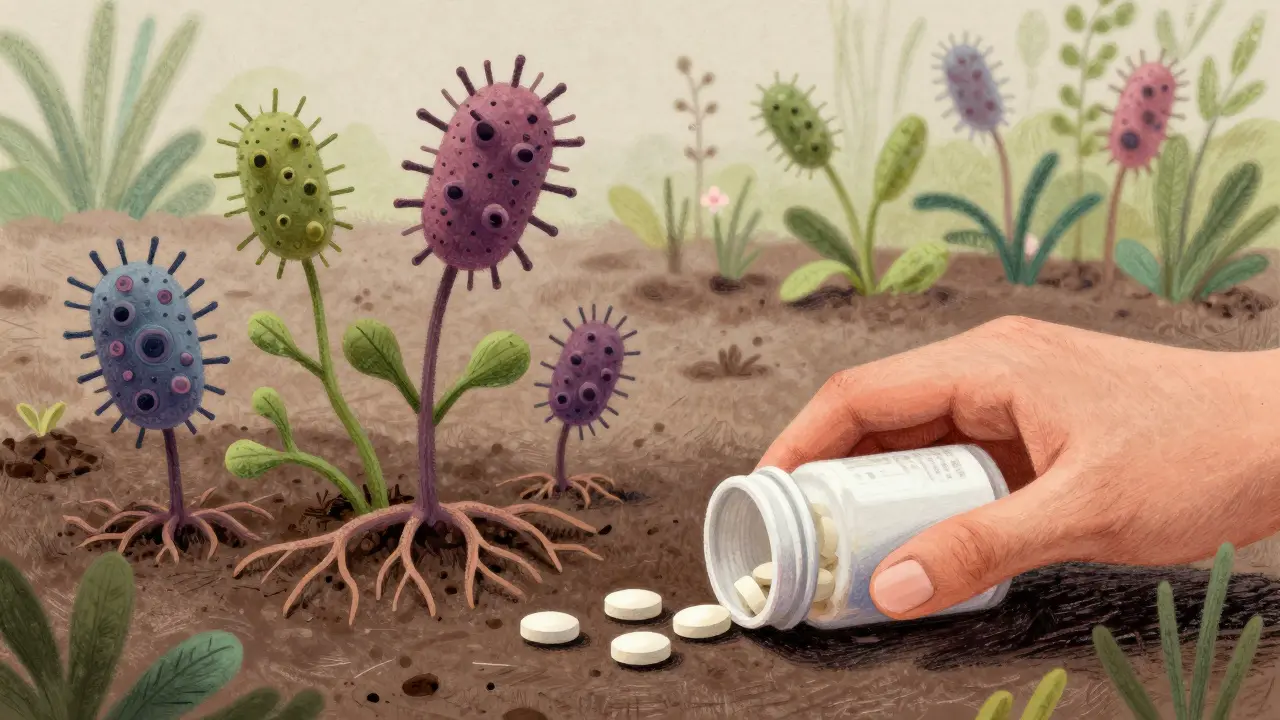
Think of it like weeding a garden. If you pull out most of the weeds but leave the roots of the toughest ones, they will grow back stronger. Completing the course ensures those roots are gone too. The goal isn’t to avoid all discomfort-it’s to manage enough of it so you can stick with the treatment until the job is done.
Taming Gut Troubles: Nausea and Diarrhea
Gastrointestinal issues are the biggest complaint patients have. Up to 30% of people dealing with antimicrobial therapy report stomach upset. Nausea affects about 23% of patients, while diarrhea hits 25%. The strategy here depends entirely on which antibiotic you are taking. This is where reading the leaflet or asking your pharmacist pays off.
For common drugs like amoxicillin is a penicillin-type antibiotic commonly used for respiratory and ear infections, taking the pill with food can drastically reduce nausea. A small snack works wonders. However, there is a catch. Some antibiotics, like tetracycline is an antibiotic class that requires an empty stomach for proper absorption, must be taken on an empty stomach to work properly. Food blocks their absorption. So, what do you do if tetracycline makes you sick? Try taking it with a plain cracker or a small piece of toast-just enough to coat the stomach lining without interfering with absorption. Always check with your doctor before changing how you take your meds.
If diarrhea strikes, stay hydrated. Water is key, but consider oral rehydration solutions if the diarrhea is frequent. For mild cases, eating bland foods like bananas, rice, applesauce, and toast (the BRAT diet) can help settle your stomach. But watch out for red flags. If you see blood or mucus in your stool, or if you have severe abdominal pain, stop self-managing and call a doctor immediately. These could be signs of Clostridioides difficile is a bacterium that causes severe intestinal inflammation after antibiotic use, a serious infection that needs specific medical treatment.
Protecting Your Microbiome with Probiotics
Your gut microbiome is like a delicate ecosystem. Antibiotics are like a forest fire-they burn everything down. To help rebuild, many experts recommend probiotics. But timing matters. If you take a probiotic at the exact same minute as your antibiotic, the antibiotic might kill the good bacteria in the supplement before they do any good. Space them out by at least two hours.
Look for supplements containing Lactobacillus rhamnosus GG is a specific probiotic strain clinically shown to reduce antibiotic-associated diarrhea. Clinical trials have shown this strain can cut the risk of antibiotic-associated diarrhea by half. Unsweetened yogurt with live cultures is another affordable option. Just make sure it’s unsweetened; sugar feeds the yeast that can cause other issues. The global push for probiotics is real, with the market growing rapidly because people are realizing that protecting gut health is part of treating the infection.
Skin Sensitivity and Sun Safety
Not all side effects happen inside your gut. Some antibiotics make your skin incredibly sensitive to sunlight. This is called photosensitivity. Drugs in the tetracycline family, including doxycycline, are notorious for this. You might find yourself burning in ten minutes even if you usually tan easily. This isn’t just an annoyance; it can lead to painful burns and long-term skin damage.
If you are prescribed one of these medications, treat sunscreen like a second skin. Use a broad-spectrum SPF 30 or higher, covering both UVA and UVB rays. Reapply every two hours if you are outside. Wear a wide-brimmed hat and long sleeves. Avoid peak sun hours between 10 AM and 4 PM. It sounds strict, but preventing a severe sunburn while you are already fighting an infection is worth the effort.
Avoiding Esophageal Irritation
Have you ever woken up with a sharp pain in your chest after taking a pill? That could be esophageal irritation. Certain antibiotics, particularly doxycycline and ciprofloxacin, can burn the lining of your esophagus if they get stuck on the way down. This is more common than you think.
To prevent this, follow the "sit up and drink up" rule. Take these pills with a full glass of water-at least 8 ounces. Stay upright for at least 30 minutes after taking the dose. Do not lie down right away. Also, never take these pills right before bed. If you must take them at night, wait at least an hour before lying down. One patient on a forum shared that taking doxycycline with an apple and waiting an hour before lying down helped her manage nausea while avoiding this burning sensation. Small changes in routine can make a big difference in comfort.

When to Call the Doctor: Recognizing Allergic Reactions
Side effects are expected; allergic reactions are not. While true allergies are rare, occurring in only 1-10% of patients, they can be life-threatening. Know the difference. Mild side effects include nausea, slight diarrhea, or a mild rash. Allergic reactions involve hives, difficulty breathing, swelling of the face or throat, or wheezing.
If you experience any of these allergic symptoms, stop taking the medication and seek emergency care immediately. Do not wait. Even if you have taken this antibiotic before without issue, allergies can develop over time. Doctors often prescribe alternative classes of antibiotics if an allergy is confirmed, so always report these reactions to your healthcare provider for future reference.
| Symptom | Common Cause | Action Step | When to Worry |
|---|---|---|---|
| Nausea | Stomach irritation | Take with food (unless specified otherwise); eat bland snacks. | Vomiting prevents keeping pills down. |
| Diarrhea | Gut flora disruption | Hydrate; take probiotics 2 hours apart from meds; eat BRAT diet. | Blood/mucus in stool; severe pain; lasts >48 hours after course ends. |
| Sun Sensitivity | Photosensitivity (e.g., Tetracyclines) | Use SPF 30+ sunscreen; wear protective clothing; avoid midday sun. | Severe blistering or rash. |
| Chest Pain | Esophageal irritation | Drink 8oz water; stay upright for 30 mins; don't take before bed. | Pain persists or swallowing becomes difficult. |
| Hives/Swelling | Allergic Reaction | Stop med immediately. Seek emergency care. | Difficulty breathing or throat tightness. |
The Power of Anticipatory Guidance
Knowledge is power, especially when you are feeling unwell. Studies show that patients who receive clear instructions on what to expect are 35% less likely to quit their medication early. Don’t be shy at the pharmacy counter. Ask questions like, "Should I take this with food?" or "What side effects should I look out for?" Pharmacists are trained to provide this counseling, and research shows that pharmacist-led advice can reduce early discontinuation by nearly a third.
Some clinics now provide printed guides or digital tools to help patients track their doses and manage side effects. If your doctor offers a side effect management guide, take it. Patients who use these resources are significantly more likely to finish their course. It turns a scary, unknown process into a manageable plan.
Future Trends: Personalized Medicine
We are moving toward a future where antibiotic prescriptions are tailored more closely to individual patients. Recent studies suggest that testing a patient’s microbiome before prescribing antibiotics could reduce side effects by over a third. Imagine knowing exactly which antibiotic will work best for your body with the least amount of collateral damage. While AI-driven selection tools are still emerging, the shift toward personalized care means fewer unnecessary prescriptions and better-tolerated treatments. For now, sticking to the basics-finishing the course, managing symptoms smartly, and communicating with your doctor-is the best defense against resistance and recurrence.
Can I take antacids with my antibiotics?
Generally, no. Antacids, calcium, iron, and magnesium can bind to certain antibiotics (like tetracyclines and fluoroquinolones) and prevent them from being absorbed. Always separate these supplements by at least 2-4 hours unless your doctor says otherwise.
Is it safe to drink alcohol while on antibiotics?
While most antibiotics do not have dangerous interactions with alcohol, drinking can worsen side effects like nausea and dizziness. It may also dehydrate you, making recovery slower. It is best to avoid alcohol until you finish the course and feel fully recovered.
What if I miss a dose?
Take it as soon as you remember, unless it is almost time for your next dose. Never double up on doses to make up for a missed one. Double dosing increases the risk of side effects without improving efficacy. Set phone alarms to help maintain a consistent schedule.
Do probiotics really work for antibiotic diarrhea?
Yes, specifically strains like Lactobacillus rhamnosus GG and Saccharomyces boulardii have strong clinical evidence supporting their use in reducing the risk of antibiotic-associated diarrhea. They help replenish the good bacteria lost during treatment.
When does a rash mean an allergy vs. a side effect?
A mild, non-itchy rash can sometimes be a minor side effect. However, a rash that is itchy, widespread, raised (hives), or accompanied by fever or swelling is likely an allergic reaction. If in doubt, contact your doctor immediately to determine if you should stop the medication.
Prashant Shishodia
Great info on finishing the course. People need to stop quitting early. It helps everyone stay healthy. Keep it simple and just take the pills as told.
MiMi Stanley
I always forget about the timing with probiotics. I usually just grab whatever is in the fridge. Does the type of yogurt matter much? I tend to just pick up whatever looks fresh at the store without reading labels too closely.
Najmunisa Govender
Oh my goodness, this is so helpful!! I always feel terrible when I have to take these meds. The part about staying upright really scared me because I often lie down right after taking them. Thank you for sharing this important information!!!
Crystal Tadlock
The big pharma companies want you sick forever! They hide the side effects. You are being lied to by your doctors. Wake up people! The natural way is the only way. Do not trust the pills they give you.
Tad Cronn
You think you know what you are doing but you dont. Your gut health is compromised already. Stop eating processed garbage and start thinking about your biology. You are weak for needing drugs to fix your lifestyle choices.
Sean Allwurden
Solid advice on the pharmacokinetics of absorption. Spacing out the Lactobacillus rhamnosus GG is crucial for maintaining microbiome integrity during antimicrobial therapy. Collaboration between patient and pharmacist yields optimal clinical outcomes.
Earl Oleary
This article is basic stuff. If you cannot handle a little nausea you are useless. Read the label yourself instead of asking stupid questions. The CDC guidelines are clear and if you ignore them you are contributing to the problem.
Vineet Hawelia
It is indeed very important to follow medical advice strictly. The information provided here is accurate and should be respected. Please ensure you consult your physician before making any changes to your medication routine.
Laura Odom
uughh why do we even need antibiotics? its all chemicals man. i think the body heals itself if u let it. this whole system is broken and we are just pawns in a giant game. stop trusting the system lol.
Katie Caruthers
You should really care more about your body than just popping pills. It is sad that people don't listen to their inner voice. We are all connected and your sickness affects everyone around you. Please take responsibility for your health choices.