
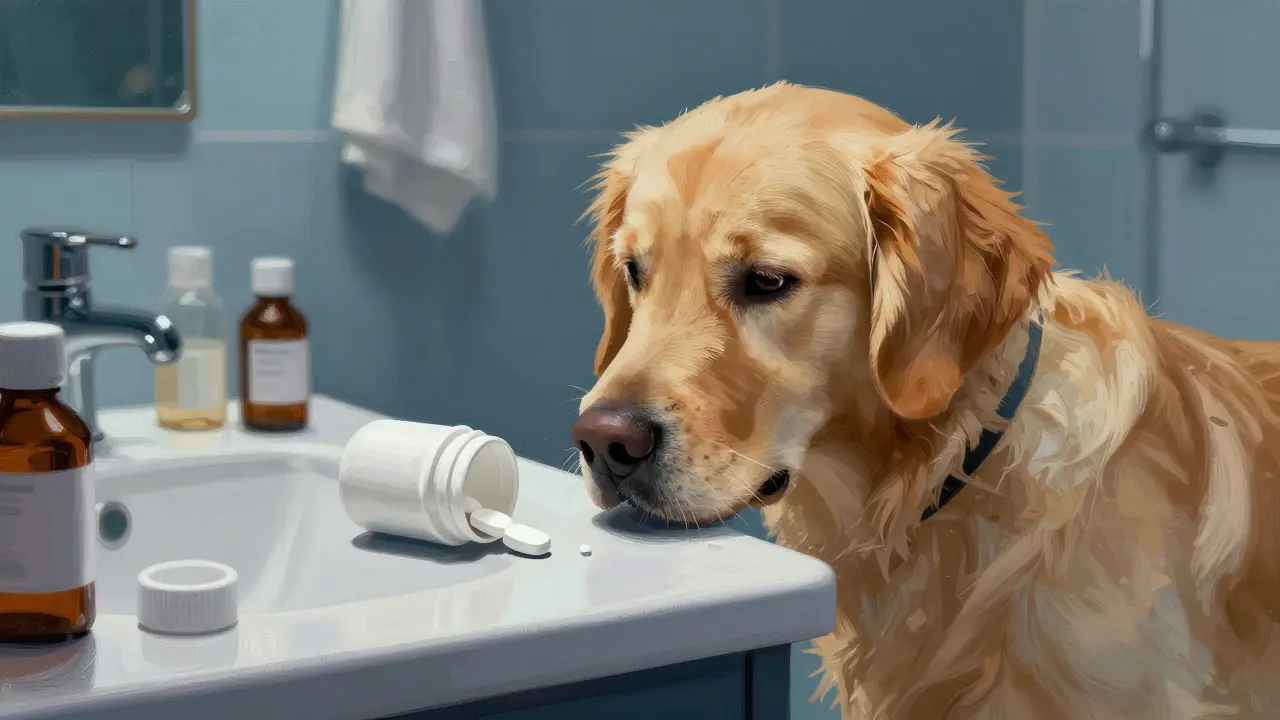
It happens in seconds. A bottle cap is left loose, a pill rolls off the counter, and your curious dog or cat swallows it before you even notice. What follows can be a race against time. Pet medication overdose from human pharmaceuticals is not just a scary story; it is a leading cause of preventable emergencies in veterinary medicine. According to the Pet Poison Helpline, human medications account for nearly 28% of all reported pet poisonings, with over 150,000 cases documented annually in the United States alone.
The stakes are incredibly high. If treatment begins within two hours of ingestion, success rates soar to 93%. But if recognition is delayed, mortality rates can jump to 28%. The difference between a full recovery and a tragic loss often comes down to your ability to spot the signs immediately. This guide breaks down exactly what to look for, how different drugs affect dogs and cats differently, and the critical steps you must take when seconds count.
Why Human Medications Are So Dangerous to Pets
Your pet’s body processes chemicals very differently than yours does. While a standard dose of ibuprofen might relieve your headache, it can cause acute kidney failure in a dog. The issue isn’t just toxicity; it’s metabolism. Cats, for instance, lack a specific liver enzyme called glucuronyl transferase. This makes them uniquely vulnerable to certain drugs like acetaminophen (Tylenol), which can be fatal at doses as low as 10mg per kilogram of body weight.
Dogs are more likely to ingest these medications simply because they are scavengers. They account for about 85% of all poisoning cases compared to 15% for cats. However, cats are often sneakier eaters. Data from the Oregon Veterinary Medical Association shows that 63% of feline cases involving antidepressants involve cats consuming entire bottles, attracted by sweet coatings on extended-release capsules.
| Medication Class | Common Brand Names | Primary Risk to Dogs | Primary Risk to Cats |
|---|---|---|---|
| NSAIDs | Ibuprofen, Naproxen | Kidney failure, GI ulcers | Kidney failure, GI ulcers |
| Acetaminophen | Tylenol | Liver necrosis | Methemoglobinemia (blood oxygen failure) |
| Antidepressants (SNRIs/SSRIs) | Effexor, Prozac, Lexapro | Seizures, hyperthermia | Severe tremors, hepatic failure |
| ADHD/Stimulants | Adderall, Ritalin | Cardiac arrest, seizures | Cardiac arrest, seizures |
| Benzodiazepines | Xanax, Ambien | Paradoxical agitation | Hepatic failure |
Symptoms by Medication Type: What to Look For
Recognizing an overdose requires knowing what specific drugs do to the nervous system and organs. Symptoms can appear within minutes or take up to 72 hours to manifest, depending on the drug formulation. Extended-release pills, like Effexor XR, are particularly dangerous because they release toxins slowly, prolonging the crisis.
Nonsteroidal Anti-Inflammatory Drugs (NSAIDs)
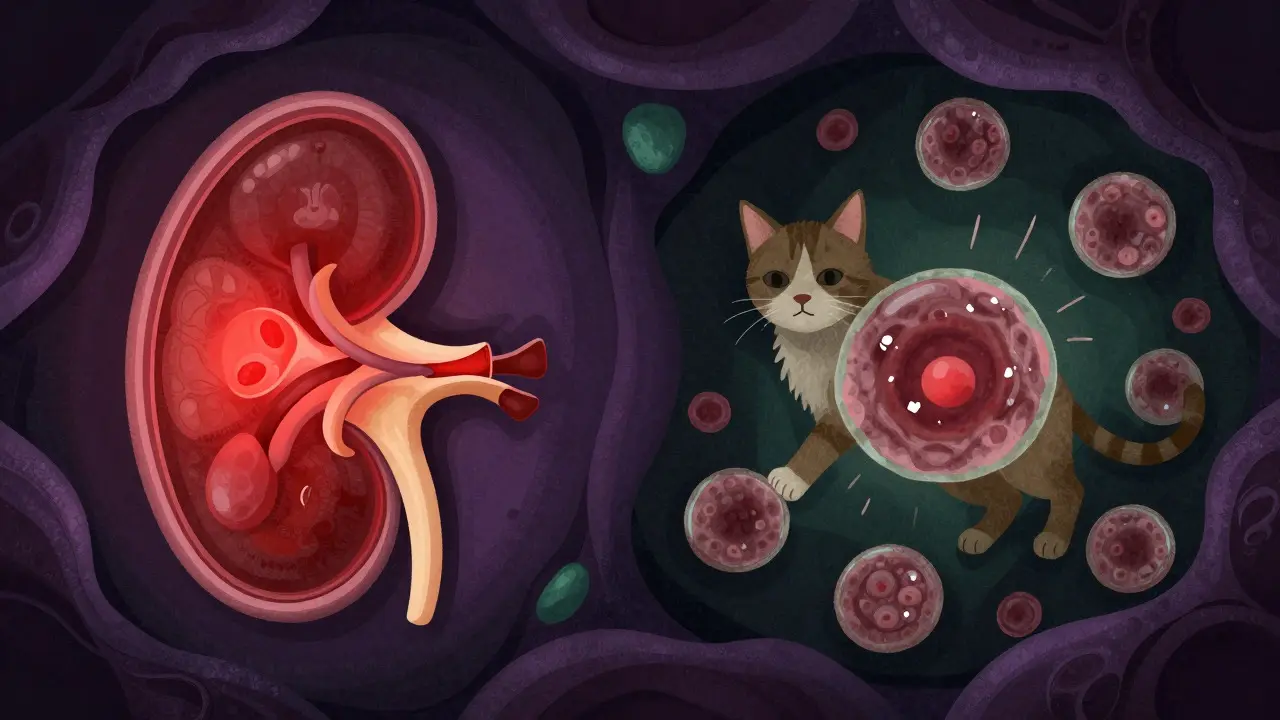
Drugs like Ibuprofen (Advil, Motrin) and Naproxen (Aleve) are the number one cause of pet medication poisoning. In dogs, symptoms typically start within 1 to 6 hours. You will likely see vomiting first-present in 92% of cases. Look for melena, which are black, tarry stools indicating internal bleeding. If you notice your pet becoming lethargic or drinking excessive amounts of water, their kidneys may already be under stress. Acute kidney injury can develop within 24 to 72 hours, marked by dangerously high blood urea nitrogen (BUN) levels.
Acetaminophen (Tylenol)
This pain reliever presents a stark contrast between species. In cats, watch for brown-tinged mucous membranes (gums) and cyanosis (bluish skin) within 1 to 4 hours. This indicates methemoglobinemia, where the blood loses its ability to carry oxygen. In dogs, the danger is slower but severe: liver necrosis. Symptoms include vomiting, jaundice (yellowing of the gums or eyes), and lethargy appearing 24 to 72 hours after ingestion.
Antidepressants and ADHD Medications
Selective serotonin reuptake inhibitors (SSRIs) like Prozac and SNRIs like Effexor can trigger serotonin syndrome. Look for fever (ranging from 103°F to 106°F), vocalization, disorientation, and tremors. Without treatment, 78% of these cases progress to seizures. Stimulants like Adderall and Ritalin act much faster. Within 30 to 60 minutes, your pet’s heart rate may exceed 220 beats per minute, and body temperature can spike to 107°F. Severe tremors and fixed-dilated pupils are classic signs.
Benzodiazepines
While these drugs usually sedate humans, they cause paradoxical reactions in 52% of dogs. Instead of calming down, your dog may become extremely agitated, aggressive, or restless. Cats are at risk for liver failure, with ALT enzyme levels skyrocketing well above the normal range.
The Critical First 5 Minutes: Immediate Assessment Protocol
If you suspect your pet has ingested medication, panic is your enemy. Follow this rapid assessment protocol recommended by the Pet Poison Helpline to gather critical information for veterinarians.
- Check the Scene: Look for pill fragments, crushed powder, or empty blister packs. In 63% of witnessed cases, physical evidence remains. Identify the medication name and strength if possible.
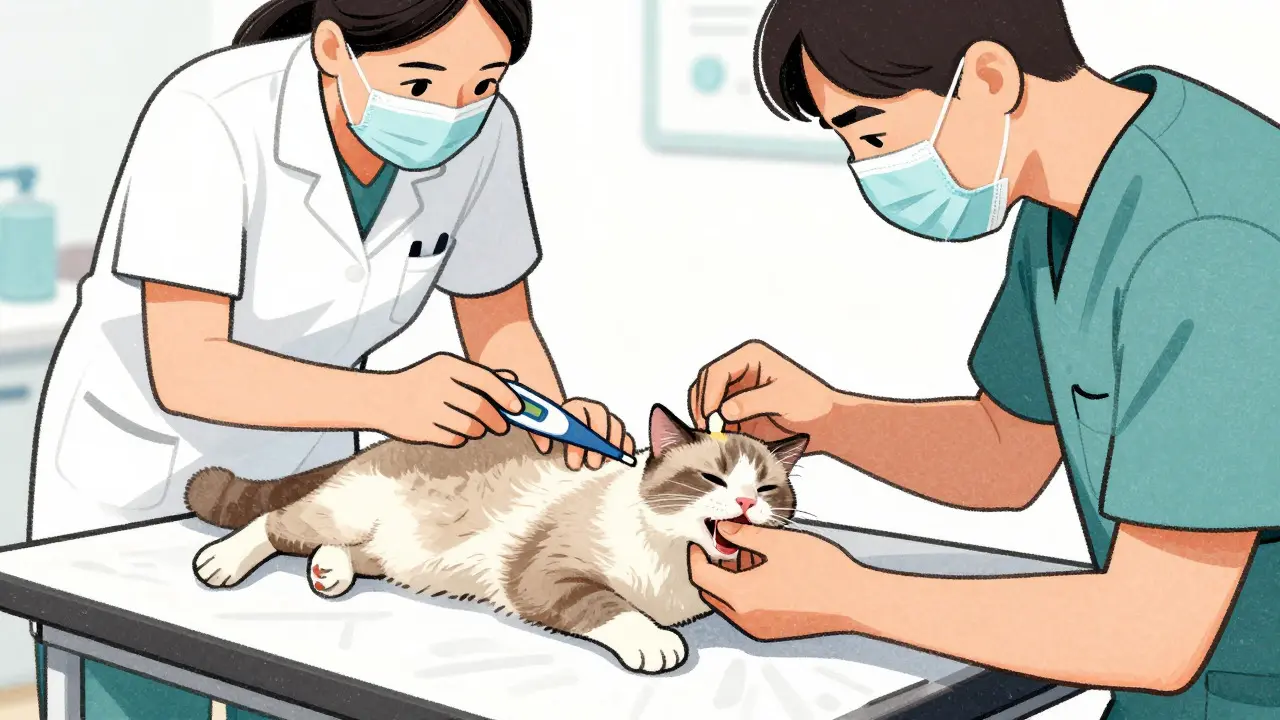
- Measure Temperature: Use a digital rectal thermometer. A temperature above 103.5°F suggests stimulant or SSRI toxicity. Hyperthermia is a medical emergency.
- Assess Pupils: Shine a light into your pet’s eyes. Dilated pupils that do not react to light are common in ADHD medication overdoses (seen in 88% of cases).
- Check Mucous Membranes: Lift your pet’s lip. Pink is normal. Brown or chocolate-colored gums indicate acetaminophen toxicity in cats. Pale or blue gums suggest oxygen deprivation.
- Note the Time: Record exactly when you think the ingestion occurred. This helps vets determine if induced vomiting or activated charcoal is still effective.
Common Mistakes Owners Make
Many owners delay seeking help because they misinterpret early symptoms. A survey of over 1,200 pet owners revealed that 68% initially thought their pet was just "excited" or having an "anxiety attack." Here is how to avoid those traps:
- Don't confuse tremors with shivering: Shivering is usually due to cold or fear. Medication-induced tremors are rhythmic, high-frequency (8-10Hz), and often accompanied by other neurological signs like dilated pupils or hyperactivity.
- Don't assume vomiting is dietary: If your pet vomits shortly after being unsupervised near medication, assume toxicity until proven otherwise. Dietary indiscretion usually doesn't cause immediate neurological changes.
- Don't wait for "classic" signs: By the time you see seizures or collapse, organ damage may have already begun. Early signs like restlessness, drooling, or mild vomiting are your window for intervention.
When to Call Poison Control vs. Going to the Vet
You should always seek professional advice immediately. However, knowing who to call can save time. The Pet Poison Helpline and the ASPCA Animal Poison Control Center are staffed by board-certified veterinary toxicologists available 24/7. They can triage the situation instantly, telling you whether to induce vomiting at home (only if advised!) or rush to the nearest emergency clinic.
Call poison control if:
- You know exactly what was ingested and the approximate amount.
- No symptoms are present yet, but ingestion is confirmed or highly suspected.
- You need guidance on safe decontamination steps while en route to a vet.
Go directly to an emergency vet if:
- Your pet is seizing, unconscious, or having difficulty breathing.
- Symptoms like severe vomiting, bloody stools, or extreme agitation are already visible.
- You cannot reach poison control quickly.
Prevention: Securing Your Home
Prevention is far easier than treatment. Since curiosity drives most ingestions, child-proofing strategies work well for pets too. Store all medications in locked cabinets or high shelves out of reach. Never leave pills unattended on nightstands or bathroom counters. Consider using bitterant sprays approved by the FDA on medication bottles, though note that implementation is voluntary and not foolproof. Finally, educate household members, especially children, about keeping caps tightly closed and counting pills before disposal.
What should I do if my dog ate one Tylenol?
Even a single tablet can be dangerous, especially for small dogs or cats. For cats, as little as 10mg/kg can be fatal. Call the Pet Poison Helpline or your vet immediately. Do not wait for symptoms to appear, as liver damage can occur silently in the first 24 hours.
How long does it take for ibuprofen to affect a dog?
Symptoms of ibuprofen toxicity typically appear within 1 to 6 hours. Vomiting is often the first sign, followed by lethargy and potential kidney issues within 24 to 72 hours. Immediate veterinary care is crucial to prevent irreversible kidney damage.
Can I make my pet throw up if they ate medication?
Only if instructed by a veterinarian or poison control expert. Inducing vomiting can be dangerous if the pet is already seizing, unconscious, or has ingested a corrosive substance. Hydrogen peroxide is commonly used, but the dosage must be precise based on your pet's weight.
Are extended-release pills more dangerous?
Yes. Extended-release formulations like Effexor XR release medication slowly over many hours. This means toxic effects last longer, and standard treatments like activated charcoal may need to be repeated. They also complicate diagnosis because symptoms may wax and wane.