
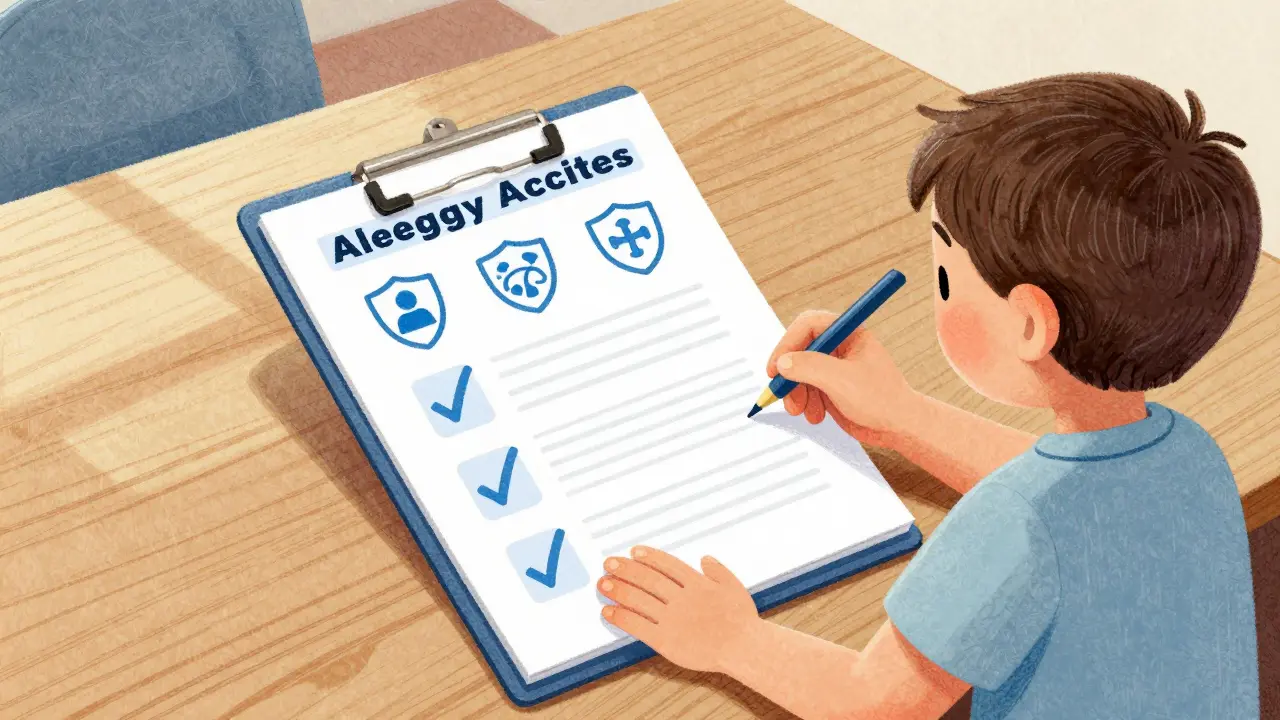
Epinephrine Action Plan & Dose Calculator
Step 1: Determine Dosage
Based on weight guidelines from the AAP Emergency Plan.
Recommended Dosage:
This matches the 0.30 mg device for adults and children over 25kg.
Step 2: Assess Symptoms
Select ALL symptoms currently present. Do not guess.
Respiratory (Breathing)
Cardiovascular (Heart/Blood)
Skin
Waiting for assessment...
The Lifesaving Paper You Need to Have
A severe allergic reaction doesn't wait for you to find your phone or call a doctor. It happens fast, and seconds count. In 2021, researchers found that having a documented action plan increases appropriate medication use by 68% and slashes hospitalization rates by 42%. These aren't just statistics; they represent real families keeping their loved ones safe.
An Allergy Action Plan is a personalized medical document created by healthcare providers to guide individuals, caregivers, and emergency responders on recognizing symptoms of allergic reactions. It is more than a form filled out in a waiting room. It is the blueprint you follow when panic sets in. Without it, people often guess wrong, relying on medicines that won't work for severe reactions. By late March 2026, digital versions of these plans have become common, but the physical principles remain exactly the same.
The core purpose of this plan is clarity. Studies show that 41% of users delay treatment because they weren't sure if the symptoms were "bad enough." Your plan removes that hesitation. It tells you precisely what to do, what medicine to grab, and how to dose it based on weight, not age.
The Critical Medication: Epinephrine First
When you look at your list of medications, one name stands above all others. Epinephrine is a medication used to treat severe allergic reactions (anaphylaxis) by constricting blood vessels and relaxing airway muscles. Also known as adrenaline, this is the only drug that treats life-threatening anaphylaxis effectively. Dr. Ronna Campbell of the American College of Allergy, Asthma & Immunology notes that administering this within five minutes of symptom onset reduces mortality risk by 94%. Waiting longer significantly drops those survival odds.
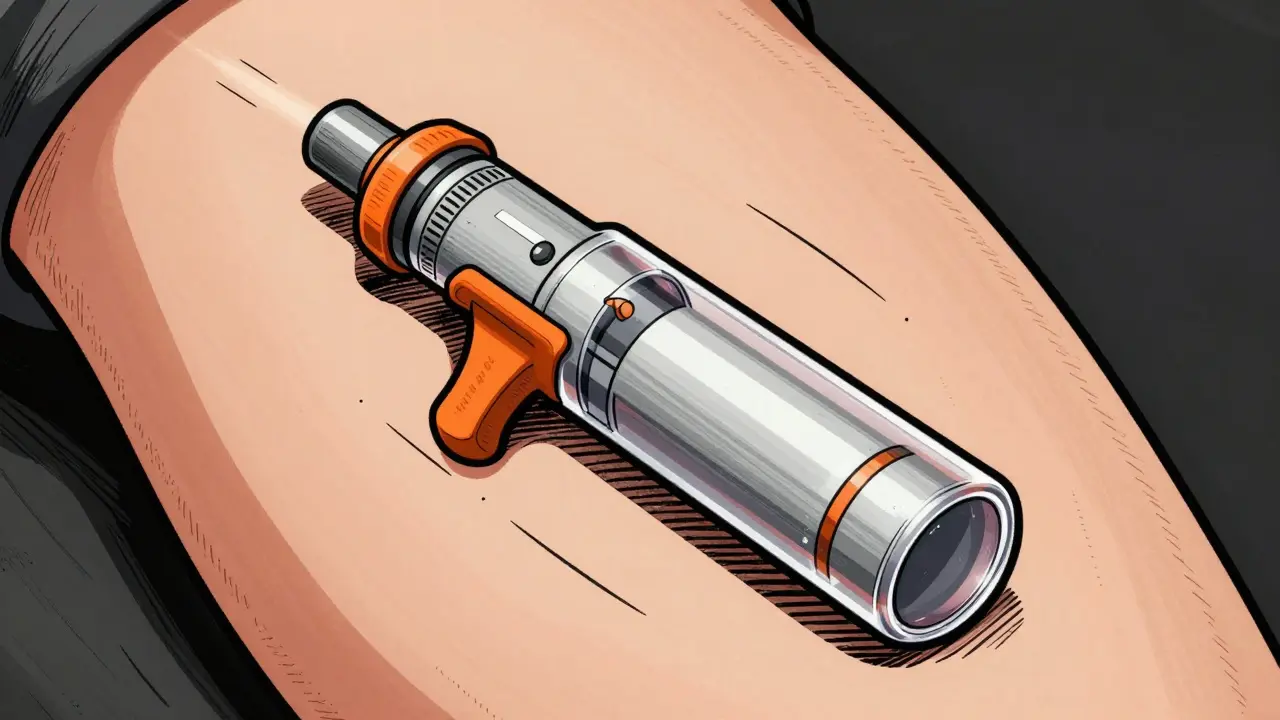
Most people carry this in the form of an Auto-injector, a device designed for laypeople to use instantly. In 2026, we also see the rise of intranasal options approved by the FDA back in 2023, offering an alternative for those afraid of needles. However, standard injectors remain the gold standard for most households.
Dosing is never one-size-fits-all. You cannot simply hand a child the adult version of the device. According to the 2019 update of the AAP Emergency Plan, dosing relies on weight:
- 7.5-13 kg (16.5-28.7 lbs): 0.10 mg dose required.
- 13-25 kg (28.7-55.1 lbs): 0.15 mg dose required.
- 25 kg (55.1 lbs) and up: 0.30 mg dose required.
This precision matters. Under-dosing leaves the patient unprotected, while over-dosing can cause unnecessary strain on the heart. Always check the label on your specific device to confirm it matches the prescribed weight bracket.
Secondary Medications: They Are Not Enough
Many parents and patients mistakenly believe antihistamines are enough. This is a dangerous gap in safety knowledge. Antihistamines like diphenhydramine (Benadryl) block histamine release, helping with itching or hives, but they do not treat airway obstruction or hypotension. According to the ASCIA Guidelines released in 2024, these drugs never replace epinephrine in a severe reaction.
While they are useful for mild reactions involving skin symptoms alone, they do not stop the collapse of blood pressure or swelling of the throat. Research from 2021 showed that giving Benadryl first delayed necessary epinephrine use by an average of 22 minutes in school settings. That is nearly half an hour of lost time.
Bronchodilators, such as Albuterol inhalers, are another tool in the kit. If you have asthma or wheezing accompanies your reaction, this can help open airways. However, again, it does not fix the systemic issue of anaphylaxis. Think of these as support actors, not the lead star.
| Medication Type | Primary Use Case | Speed of Action | Role in Severe Reaction |
|---|---|---|---|
| Epinephrine (Auto-Injectable) | Anaphylaxis (Life-Threatening) | Minutes | First-Line Treatment |
| Antihistamines | Mild Hives/Itching Only | 30-60 Minutes | Adjunctive (After Epi) |
| Bronchodilators | Wheezing/Asthma | Minutes | Supportive |
Recognizing the Signs: When to Pull the Pin
The hardest part of carrying these meds is deciding when to use them. Some people wait until the breathing stops, thinking that is too late. Others use them for a single itch, potentially wasting a dose. You need a clear trigger system.
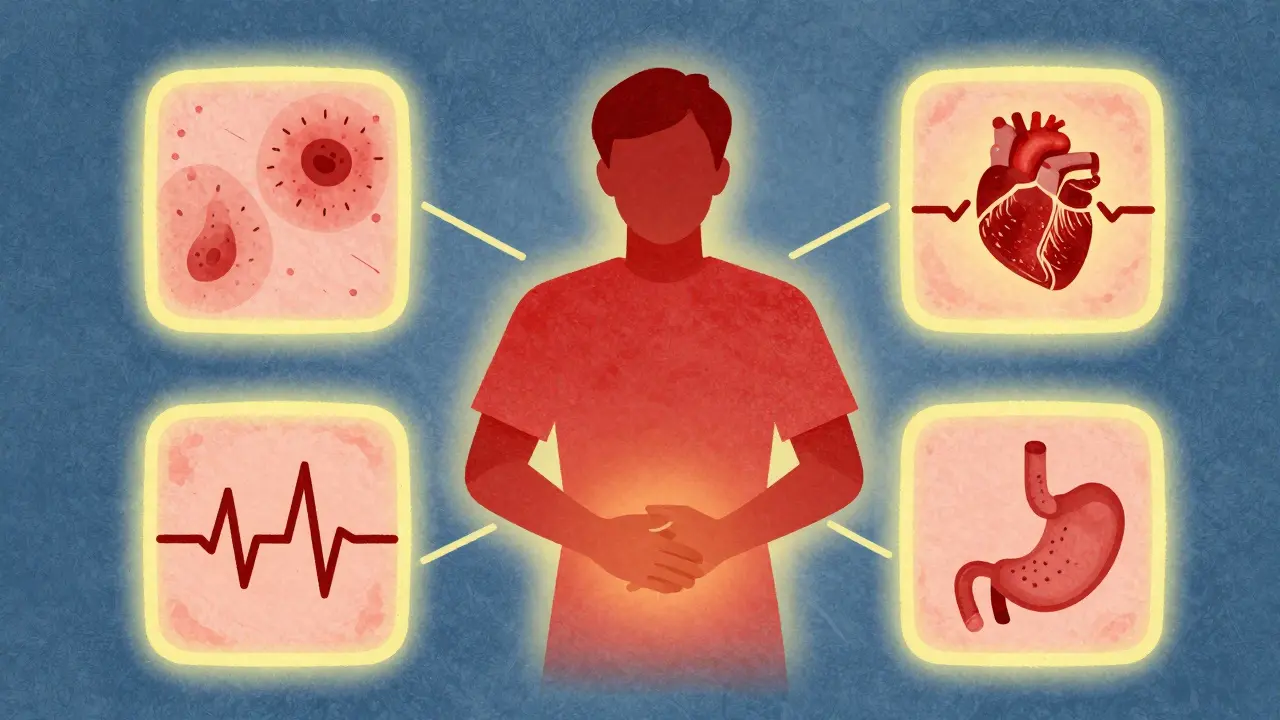
Medical consensus defines anaphylaxis as involvement of two or more body systems after exposure. Your plan should list the warning signs so you don't have to memorize a textbook.
- Skin: Sudden onset of hives, redness, or swelling of the face/lips.
- Respiratory: Coughing, wheezing, throat tightness, trouble swallowing.
- Cardiovascular: Feeling dizzy, weak, fainting, low pulse, shock.
- Gastrointestinal: Violent vomiting, stomach cramps, pain.
If you see symptoms from two categories, administer epinephrine immediately. Even if you see just one severe symptom, such as throat tightness or dizziness, treat it as an emergency. Dr. Matthew Greenhawt noted that 78% of fatal cases involved failure to use the drug promptly. It is far better to use it unnecessarily than to hold back.
For children under three, lethargy or a persistent cough can be the primary sign. For older kids, dizziness and throat tightness are more common indicators. Your specific plan should have photos of the actual rash your child gets, as visual aids drastically improve recognition speed.
The Watch-and-Wait Protocol
There is a specific exception where you do not use the injector right away. If the reaction involves a single system-say, a few hives on the arm but no breathing issues-you may be advised to monitor closely. This is called the "watch and wait" protocol found in the Children's Mercy Hospital Action Plan (2022).
However, this window is small. You give an antihistamine if prescribed, and you watch for 30 to 60 minutes. If the rash spreads, or if even one new symptom appears, you switch to epinephrine immediately. Never wait more than a few minutes once breathing becomes involved.
Managing Expiration and Supply
Your plan is useless if your medicine is dead. A survey of 1,200 households revealed that 32% of families had expired auto-injectors at some point. This creates a false sense of security. You should check expiry dates every season change. Store them at room temperature, away from direct sunlight. In a hot car, heat can degrade the liquid inside.
You also need two doses on hand. Why? Because sometimes the reaction continues. Guidelines recommend re-administering every 10 minutes if symptoms persist or return. Furthermore, about 20% of patients experience a "biphasic reaction," where symptoms bounce back hours after the first injection clears. You need coverage for those scenarios too.
Digital Tools and Modern Tracking
In 2026, we are seeing the integration of AI and apps into allergy care. Organizations like FARE launched mobile solutions in 2024 that store customizable action plans directly on your phone. These connect emergency contacts automatically. For instance, Stanford's pilot work demonstrated that video footage analysis could identify anaphylaxis with 92% accuracy, hinting at future emergency response capabilities.
While technology helps, the physical paper copy remains vital for schools. Many staff members cannot read complex digital dashboards quickly. Printing a hard copy that goes into the nurse's office ensures someone can act before the tech loads.
Can I use my allergy plan for different allergens?
Yes, the treatment protocol is generally the same regardless of whether the trigger was food, insect sting, or medication. The plan details the specific allergen to avoid, but the emergency steps for anaphylaxis remain constant across triggers.
Does insurance cover the cost of an auto-injector?
Coverage varies widely by provider. Many insurance companies require a prescription and prior authorization. Generic epi-pens are often covered fully, but brand-name versions might incur copays. Always check your specific benefits annually.
What if I miss the target muscle with the injection?
Most devices are designed to work even with slightly angled shots. Press firmly against the outer thigh (mid-lateral aspect) for the full duration indicated by the specific device (usually 2 to 3 seconds). Do not aim for the vein.
Should I go to the hospital after using the pen?
Always. Even if you feel fine, the effects wear off quickly. Medical observation for 4 to 6 hours is standard due to the risk of biphasic reactions returning later.
Is there a specific shelf-life for opened packages?
Once a package is opened or the device has been partially exposed, stability depends on the manufacturer's instructions. Generally, auto-injectors expire according to the printed date regardless of opening, but keep them in their original protective tube until use.
Molly O'Donnell
Antihistamines do not stop throat swelling so epinephrine is the only option here.
Christopher Beeson
The moment panic hits is when you realize how fragile everything really feels. People forget that death is just one bad reaction away sometimes. We spend so much time worrying about tomorrow when today could end suddenly. Having the plan written down makes the chaos feel slightly less impossible to handle. It gives us a script to follow when our minds go blank. The reality is we are all walking time bombs waiting for a trigger. Knowing where the device is saved lives in those split seconds. I hate to sound so dark but denial kills faster than the allergy does. We need to accept that these devices are as important as oxygen.
Cara Duncan
So glad people are sharing this info! 😊 It really helps to know the exact weight limits for dosing. My kid is right on the border between 13kg and 25kg so I always double check. :heart: Carrying two is definitely something I forgot last year. Thanks for reminding everyone to check the dates! 🙌
Eleanor Black
It is imperative that every guardian understands the nuances of anaphylactic response protocols. We often neglect the importance of maintaining current medical documentation until it is too late. The distinction between mild allergic responses and severe systemic reactions is critical for survival outcomes. Parents frequently rely on outdated information regarding medication administration timing. Timely injection remains the single most effective method for neutralizing life-threatening allergens. Neglecting to verify expiration dates on auto-injectors creates unnecessary risk for the household. Schools require clear documentation to function during an emergency event efficiently. We must advocate for better education systems that prioritize these safety plans effectively. The anxiety surrounding potential exposure scenarios is understandable yet manageable with preparation. Family members often feel overwhelmed by the sheer volume of medical terminology involved. Simplifying the action plan ensures that anyone present can execute the necessary steps immediately. Biphasic reactions pose a secondary threat that requires sustained medical observation later. Insurance coverage discussions should be addressed proactively rather than after a crisis occurs. Digital tools offer convenience but physical backups are indispensable for reliability purposes. Ultimately, preparedness serves as the foundation for peace of mind within the community. :heart:
James DeZego
Just a quick tip for those struggling with the needle fear. The intranasal version mentioned in the text is a great alternative. :) I saw my daughter's friend use one and she was calm enough to breathe through it. Still always carry the pen as backup though. Stay safe everyone! :)
Rocky Pabillore
One would assume basic hygiene involves checking expiration dates monthly. It seems shocking that thirty-two percent of families are keeping expired medicine. This suggests a certain lack of discipline in modern parenting circles. Perhaps if people read the label they would not put themselves at risk. It is not the manufacturer's fault when users fail to rotate stock. Common sense should dictate storing these items at room temperature.
Russel Sarong
I completely understand the stress!! It is SO important to know your triggers!!! Having photos of your child helps the nurses too!!! We have to be brave parents!!! Don't let fear take over!!!! Stay strong everyone!!!!
Callie Bartley
This makes me so scared just thinking about it. Why is it so hard to find good care in this country?! I want my son to be safe. But then the doctors just want to give pills. I am worried about what happens next time. America needs to wake up about health care. My heart sinks when I read about fatal cases. Please tell me the app works well.
Arun Kumar
We must remember that knowledge empowers us all globally. Every family deserves the chance to live fully without fear. Supporting each other through diagnosis makes a big difference. Share your stories and help neighbors prepare too.
Julian Soro
Arun is totally right! We can help each other out in the neighborhood. I keep a spare set in my glove box now. It feels good knowing I can assist if someone passes out nearby. Great initiative sharing this guide!
Cullen Zelenka
Staying prepared is the best mindset we can have. I trust the digital records now but paper copies are still gold. The schools appreciate the hard copy in the nurse station. Just follow the weight chart and you will be fine.
Jenny Gardner
Yes! Indeed! The protocols are quite specific! We must ensure the dosing is accurate! Weight matters immensely! Precision is key! Safety above all! Never guess on this one! Always check the printout! Thank goodness for guidelines!