
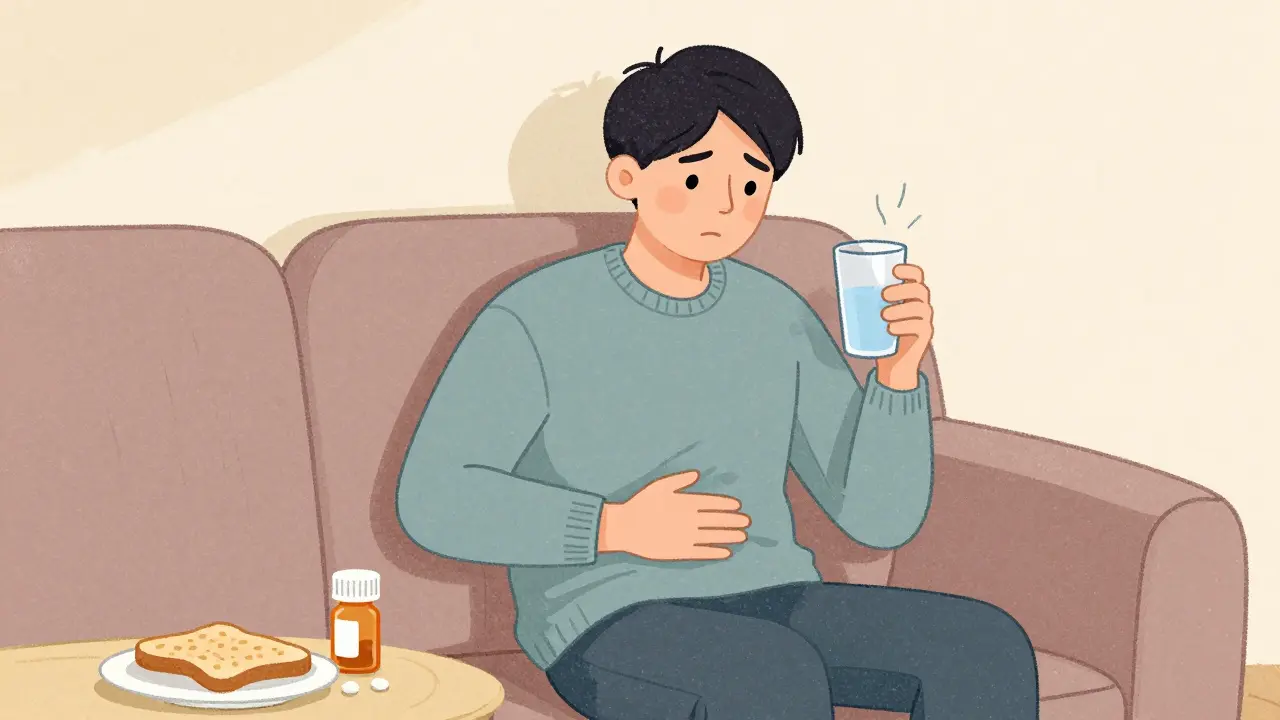
You start a new prescription, and within days, your stomach turns or your mouth feels like sandpaper. It’s tempting to toss the pill bottle in the trash, but stopping treatment often does more harm than good. Roughly half of all patients experience mild reactions when starting new pharmaceutical treatments, yet many quit prematurely because they don’t know how to handle them. The good news is that you likely don’t need to stop taking your medicine. With a few simple adjustments, you can ride out these temporary bumps while keeping your health on track.
Mild side effects are usually just your body adjusting to a new chemical environment. They typically pop up in the first one to two weeks and fade as your system gets used to the drug. Research shows that patients who stick with their meds despite minor discomfort have significantly better long-term outcomes. Let’s look at practical ways to make those early weeks easier without compromising your treatment plan.
Understanding What Counts as 'Mild'
Before trying any home remedies, it helps to know what you’re dealing with. Not every symptom is created equal. Mild side effects are generally uncomfortable but not dangerous. Common examples include slight nausea, dry mouth, fatigue, or a mild upset stomach. These symptoms rarely require emergency care and often resolve on their own.
However, you must stay alert for red flags. If you experience shortness of breath, chest pain, severe swelling, or difficulty swallowing, stop the medication and seek immediate medical attention. These are signs of serious allergic reactions or adverse events that mindset tricks cannot fix. Always err on the side of caution if a symptom feels severe or rapidly worsening.
Taming Nausea and Upset Stomach
Nausea is perhaps the most common reason people abandon new prescriptions. Fortunately, food and timing are powerful tools here. For about 78% of non-antibiotic medications, taking the pill with a small meal or a glass of milk can shield your stomach lining. Avoid spicy or greasy foods right around your dose time, as these can aggravate sensitivity.
Hydration also plays a key role. Drink 8 to 10 ounces of water with your dose unless your doctor says otherwise. Sipping clear fluids throughout the day helps settle the stomach. Many patients find that avoiding strong smells-like heavy perfumes or cooking odors-reduces the urge to vomit. If nausea persists beyond three days, talk to your pharmacist; they might suggest an over-the-counter anti-nausea aid or adjust the timing of your dose.
Handling Digestive Changes: Diarrhea and Constipation
Your gut bacteria often take a hit when you introduce new drugs, leading to either loose stools or constipation. Managing these requires opposite approaches.
For diarrhea: Cut back on caffeine and acidic foods, such as citrus fruits or tomatoes, which can irritate the digestive tract. High-fiber foods may worsen loose stools temporarily, so keep fiber intake moderate until things stabilize. In some cases, a pharmacist-approved dose of loperamide can help control symptoms, but always check with a professional first to ensure it doesn’t interfere with your primary medication.
For constipation: This is where hydration and movement shine. Aim for 2.5 to 3 liters of fluids daily. Increase your fiber intake gradually to 30-35 grams through fruits, vegetables, and whole grains. Pair this with at least 30 minutes of daily exercise, like a brisk walk. Studies show that combining diet changes with light activity resolves constipation in nearly 70% of cases within a week.

Relieving Dry Mouth and Fatigue
Dry mouth (xerostomia) isn’t just uncomfortable; it can lead to dental issues if ignored. Instead of gulping large amounts of water, try sipping 1-2 ounces every 15-20 minutes. This keeps your mouth moist without flooding your system. Sucking on sugar-free sour candies containing citric acid or using xylitol-based products can stimulate saliva production naturally. Clinical data suggests this approach improves salivary flow for most users within two days.
Fatigue is another sneaky side effect. It often hits hardest in the first week. To combat it, focus on balanced nutrition: aim for 45-65% carbohydrates, 20-35% fats, and 10-35% protein in your meals. Prioritize sleep hygiene by getting 7-9 hours of rest nightly. Incorporating 150 minutes of moderate exercise weekly may seem counterintuitive when you’re tired, but it actually boosts energy levels over time. Most patients report feeling noticeably better after two weeks of consistent routine.
The Power of Mindset Reframing
Believe it or not, how you think about side effects matters. Researchers at Harvard University found that patients who viewed minor sensations as evidence that their treatment was "actively working" reported lower anxiety and less intense symptoms compared to those who saw them purely as negatives. This "adaptive mindset" doesn’t cure physical symptoms, but it reduces the stress response that can amplify discomfort.
This technique works best for medications with high placebo responses, like antidepressants or blood pressure meds. It’s less effective for antibiotics or anticoagulants. Simply reminding yourself, "This is my body adjusting," can reduce the urge to call your doctor for every tiny twinge. However, never use mindset reframing to ignore serious warning signs.

When to Adjust Timing or Dose
Sometimes, shifting when you take your medication makes all the difference. For example, taking blood pressure pills at bedtime instead of the morning resolved dizziness for over half of users in community forums. Similarly, splitting a single large dose into two smaller ones (if approved by your doctor) can lower peak concentration in your blood, reducing side effects.
If lifestyle changes don’t work after 72 hours, consult your provider. They may reduce your dosage by 25-50% initially, allowing your body to adapt before ramping up to the full therapeutic level. Never adjust doses on your own, as this can compromise the drug’s effectiveness.
Tracking Symptoms for Better Communication
Doctors love data. Before calling your healthcare provider, keep a simple log for three days. Note the time you took the med, what you ate, and the specific symptoms you experienced. This record helps professionals distinguish between normal adjustment periods and true adverse reactions. One study showed that patients who provided detailed logs received more targeted advice and were 45% less likely to make unnecessary clinic visits.
Be specific. Instead of saying "I feel bad," write "I felt nauseous 30 minutes after taking the pill on an empty stomach." Clear details lead to faster, more accurate solutions.
Building a Long-Term Adherence Plan
Sticking to your medication long-term starts with managing the early hurdles. Once the initial side effects fade-which they usually do within two weeks-you’ll likely see the benefits of your treatment clearly. Keep a backup plan handy for future refills or new prescriptions. Ask your pharmacist upfront: "What are the most common side effects, and how should I handle them?" Having this script ready empowers you to act quickly rather than reactively.
How long do mild side effects usually last?
Most mild side effects emerge within the first 1-2 weeks of starting a new medication and typically resolve spontaneously as your body adjusts. For many common issues like nausea or fatigue, you should notice improvement within 72 hours to two weeks.
Can I take my medication with food to avoid side effects?
Yes, for approximately 78% of non-antibiotic medications, taking the dose with food or milk can significantly reduce stomach upset and nausea. However, always check your specific drug's label or ask your pharmacist, as some medications require an empty stomach for proper absorption.
What should I do if I experience dry mouth?
Try sipping small amounts of water (1-2 ounces) every 15-20 minutes instead of drinking large volumes. Sucking on sugar-free sour candies or using xylitol-containing products can also stimulate saliva production and provide relief within 48 hours.
Is it safe to change my medication dose myself?
No, never adjust your dosage without consulting your healthcare provider. Reducing the dose too much can render the medication ineffective, while increasing it can cause toxicity. Your doctor may recommend a gradual titration schedule if side effects are persistent.
When should I stop taking my medication immediately?
Stop taking your medication and seek immediate medical attention if you experience serious symptoms such as shortness of breath, chest pain, severe swelling, difficulty swallowing, or signs of a severe allergic reaction. These are not mild side effects and require urgent care.