
Intra-Articular Steroid Risk Assessment
Select options on the left to calculate your risk.
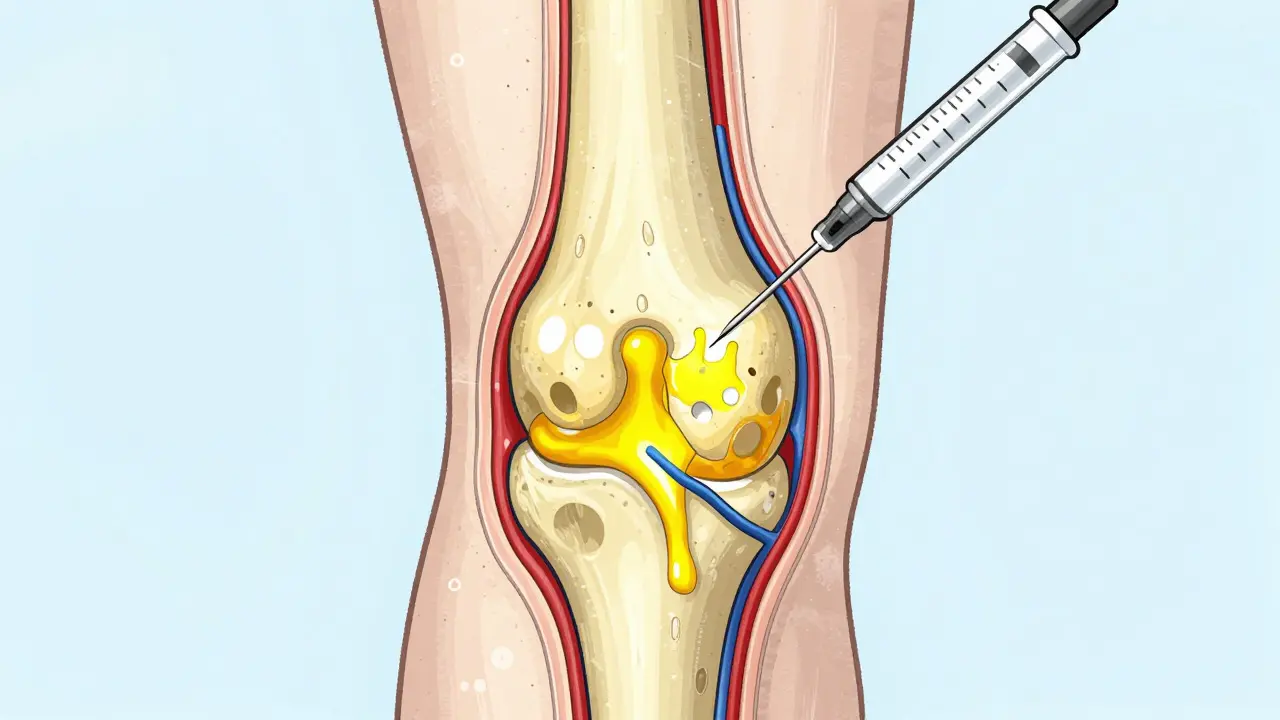
For decades, a shot of corticosteroid has been the go-to fix for that grinding knee or swollen hip. It’s fast, it’s cheap, and it works-usually. But recent data is forcing doctors to rethink how safe these shots really are. While we’ve long believed that injecting steroids directly into a joint keeps them local, new research suggests they can leak out and cause real trouble elsewhere in your body.
If you’re considering an intra-articular steroid injection, you need to know what’s actually happening inside your body after the needle goes in. This isn’t just about temporary pain relief; it’s about understanding the hidden costs, the strict limits on how often you can get them, and the signs that might mean you shouldn’t get one at all.
The Myth of Local-Only Action
Here’s the core problem: we assumed intra-articular injections were isolated events. You inject the drug, it stays in the joint, it calms the inflammation, and then it’s gone. Simple, right? Not quite. A landmark 2023 study published in Radiology by Dr. Ali Guermazi from Boston University School of Medicine challenged this assumption. The findings suggested that these injections might not just fail to help in some cases-they could actually accelerate joint destruction.
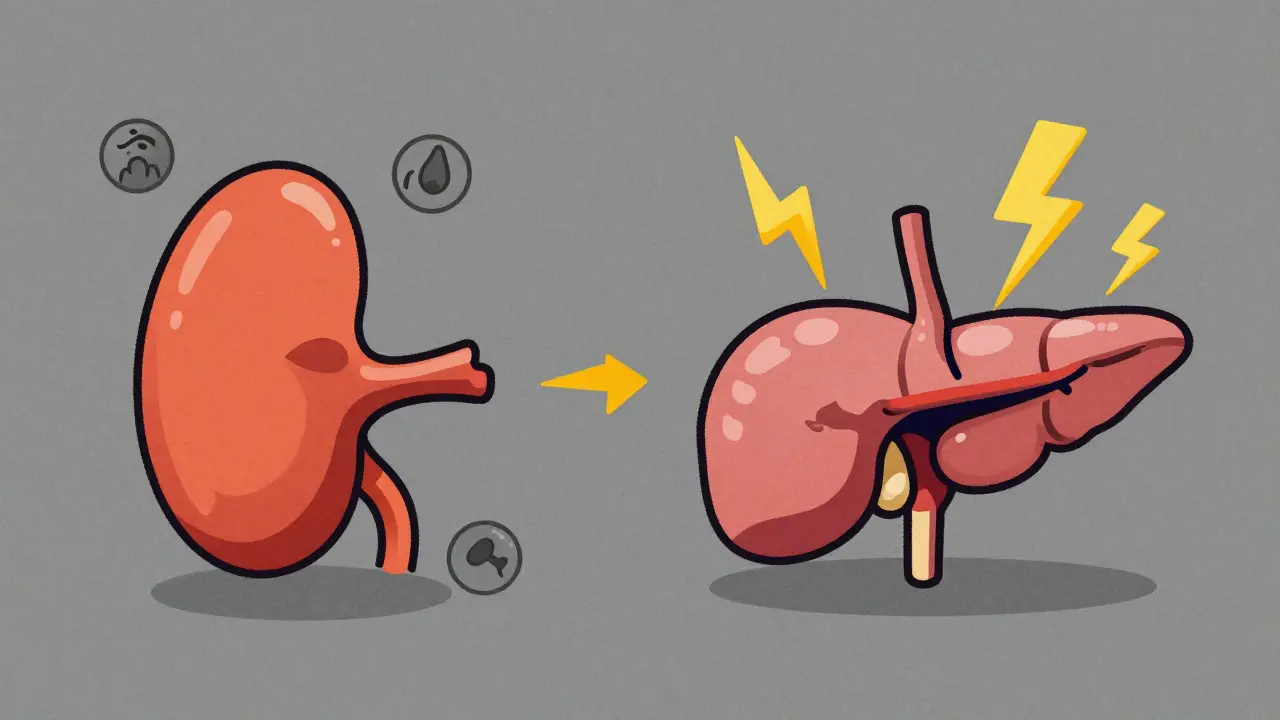
Think of the joint capsule like a sponge. When you soak it with fluid, eventually, that fluid seeps out. Similarly, corticosteroids don’t stay perfectly contained. They leak into the bloodstream. Once there, they act just like oral steroids, but without the predictable dosing curve. This leakage explains why you might feel flushed, jittery, or have trouble sleeping for days after a “local” shot. It also means that if you have diabetes, that spike in blood sugar isn’t just a coincidence-it’s a direct result of the drug escaping the joint.
Systemic Side Effects: More Than Just a Flare-Up
We often hear about the “steroid flare,” where pain gets worse before it gets better. That’s local. But the systemic effects are where things get tricky. Because the drug enters your circulation, it interacts with your entire endocrine system.
- Adrenal Suppression: Your body produces cortisol naturally. When you flood your system with synthetic steroids, your adrenal glands shut down production. If this happens repeatedly, your body may struggle to produce enough natural cortisol when you need it most, such as during stress or illness. This can lead to fatigue, low blood pressure, and even adrenal crisis in severe cases.
- Blood Sugar Spikes: For anyone with pre-diabetes or type 2 diabetes, a single injection can send glucose levels soaring. It’s not just a minor bump; it can require adjusting insulin or medication for several days. Patients with diabetes should monitor their levels closely for up to two weeks post-injection.
- Blood Pressure Changes: Steroids cause your body to retain sodium and water. This leads to fluid retention and can push up blood pressure, putting extra strain on your heart and kidneys.
- Facial Flushing and Mood Swings: These are classic signs of systemic steroid exposure. You might feel unusually warm, look red-faced, or experience irritability and anxiety. While usually temporary, they confirm that the drug is circulating beyond the joint.
- Osteoporosis Risk: Chronic or frequent use can thin bones. Even though the dose is lower than oral steroids, cumulative exposure matters. Postmenopausal women are particularly vulnerable here.
The Joint Damage Controversy
Maybe the biggest shift in perspective involves the health of the joint itself. We used to think that if the pain went away, the joint was fine. New imaging studies tell a different story.
Data from the Osteoarthritis Initiative showed that patients who received intra-articular knee injections had 3.2 times higher odds of showing radiographic progression of osteoarthritis compared to those who didn’t. If they got continuous injections, those odds jumped to 4.67. What does that mean in plain English? It means the cartilage might be wearing down faster under the surface, even if you don’t feel more pain immediately.
Dr. Guermazi’s team identified four specific adverse findings in some patients:
- Accelerated joint space narrowing (loss of cartilage).
- Subchondral insufficiency fractures (stress fractures in the bone beneath the cartilage).
- Osteonecrosis (death of bone tissue due to lack of blood supply).
- Rapid joint destruction leading to earlier need for replacement surgery.
Who Should Be Cautious?
Not everyone is at equal risk. Some factors make intra-articular injections riskier than others.
| Patient Profile | Specific Risk | Recommendation |
|---|---|---|
| Diabetics | Significant hyperglycemia (high blood sugar) lasting days to weeks | Monitor glucose daily for 2 weeks; coordinate with endocrinologist |
| Postmenopausal Women | Increased risk of bone density loss and fractures | Consider alternative therapies; limit frequency strictly |
| Younger Patients (<50 years) | Long-term joint damage consequences over decades | Reserve for severe flares; prioritize physical therapy first |
| Patients with Mild OA on X-ray | Pain may be disproportionate to imaging; underlying issue may be missed | Investigate other causes before injecting; avoid masking symptoms |
Also, if you are planning major surgery soon, tell your surgeon. High levels of circulating steroids can affect wound healing and immune response. The concurrent use of oral steroids also adds to the total systemic load, so doctors need to calculate your cumulative glucocorticoid exposure, not just count the shots.
How Many Shots Are Too Many?
There is no universal law, but clinical guidelines generally agree on a cap. Most experts recommend limiting intra-articular corticosteroid injections to no more than 3 to 4 times per year per joint. Some institutions are even stricter, suggesting a minimum interval of 3 months between shots.
Why the limit? It’s about cumulative toxicity. Each injection resets the clock on potential side effects, but the damage to cartilage and bone may be additive. If you find yourself needing a shot every month, it’s a signal that the injection isn’t solving the root problem. It’s a band-aid on a broken leg. At that point, it’s time to step back and look at the whole picture: weight management, physical therapy, bracing, or perhaps surgical consultation.
It’s also worth noting that the type of steroid matters. Triamcinolone acetonide, for example, has been shown to have particularly high systemic absorption rates compared to other formulations like methylprednisolone acetate. Ask your doctor which specific compound they are using and why. Dose also plays a role; larger joints like the hip may require higher doses (up to 80 mg), which increases the potential for systemic effects compared to smaller joints like the wrist or finger.
Alternatives and Future Directions
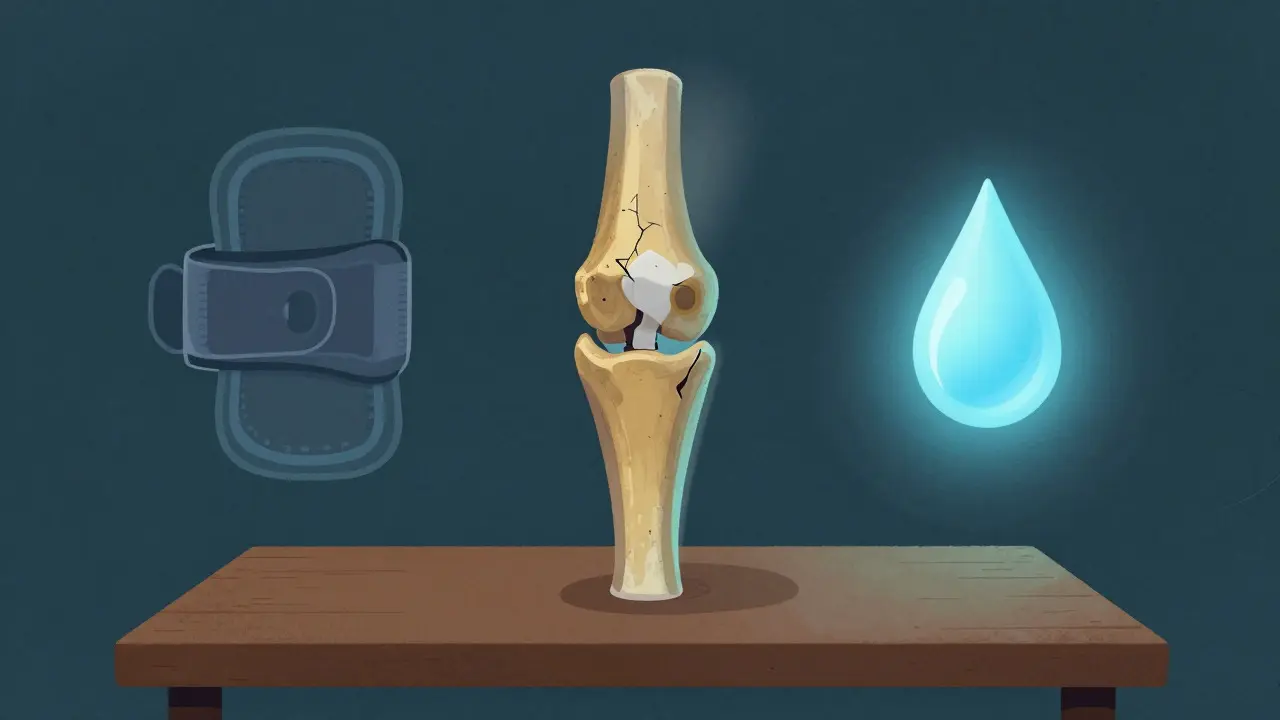
So, if steroids aren’t always the answer, what else is out there? The landscape is shifting toward more targeted therapies.
- Hyaluronic Acid Injections: Often called "viscosupplementation," these lubricate the joint rather than suppressing inflammation. They have fewer systemic side effects but may take longer to work.
- Platelet-Rich Plasma (PRP): Using your own blood to stimulate healing. Evidence is mixed, but it avoids foreign substances entirely.
- Advanced Physical Therapy: Strengthening the muscles around the joint takes load off the cartilage. It’s boring, but it works.
- Newer Biologics: Research is ongoing into monoclonal antibodies and other targeted drugs that might offer anti-inflammatory benefits without the broad systemic impact of steroids.
Frequently Asked Questions
Do intra-articular steroid injections really affect the rest of the body?
Yes. Although injected locally, a portion of the corticosteroid leaks into the bloodstream. This can cause systemic effects like elevated blood sugar, facial flushing, mood changes, and temporary suppression of the adrenal glands. The extent varies by individual, dosage, and the specific steroid used.
How many times a year can I safely get a joint steroid injection?
Most clinical guidelines recommend limiting injections to 3-4 times per year for a specific joint. Going beyond this increases the risk of cartilage damage, bone loss, and systemic side effects. Always follow your orthopedist’s specific advice based on your medical history.
Are steroid shots bad for people with diabetes?
They require caution. Corticosteroids raise blood glucose levels, which can last for several days to two weeks after the injection. Diabetic patients should monitor their blood sugar frequently and may need temporary adjustments to their medication regimen. It is not forbidden, but it requires close coordination with your healthcare provider.
Can steroid injections cause permanent joint damage?
Recent studies suggest a link between repeated injections and accelerated osteoarthritis progression, including cartilage loss and subchondral fractures. While rare, complications like osteonecrosis (bone death) have been documented. The risk is higher with frequent use and in certain patient populations.
What should I do if my pain returns quickly after a steroid shot?
Don’t immediately ask for another shot. Rapid recurrence may indicate that the injection wasn’t addressing the primary cause of pain, or that the disease is progressing rapidly. Discuss alternative treatments like physical therapy, hyaluronic acid, or further diagnostic imaging with your doctor to evaluate the joint’s structural integrity.