
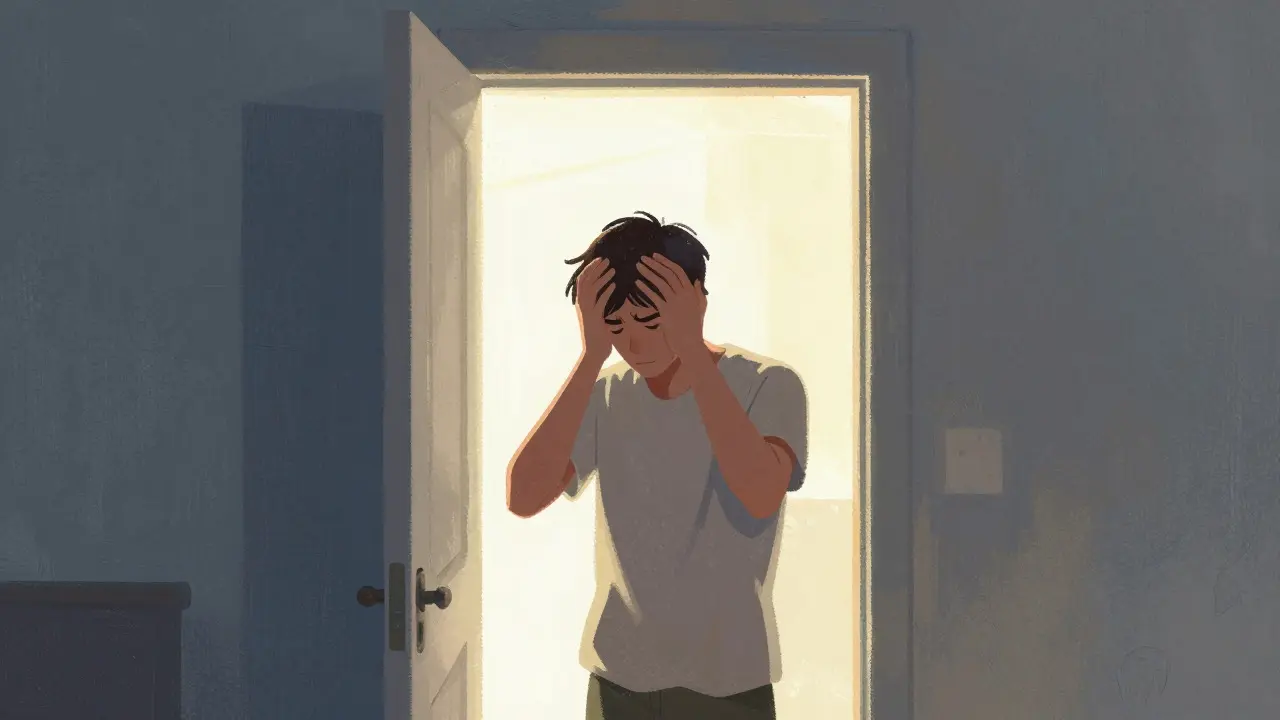
Walking into a bright office or stepping outside on a sunny day shouldn't feel like an assault. Yet for millions of people, it does. Photophobia is an abnormal intolerance to visual perception of light that acts as a symptom rather than a standalone disease. It’s not a fear of the sun in the psychological sense; it’s a physiological reaction where your eyes and brain struggle to process brightness. If you find yourself squinting, tearing up, or feeling a sharp pain behind your eyes under fluorescent lights, you aren't imagining it. You are experiencing a common but often misunderstood medical issue.
Understanding why this happens is the first step to fixing it. Many people assume light sensitivity is just "bad eyes" or a minor annoyance, but it can be a critical warning sign for underlying conditions ranging from migraines to autoimmune disorders. The good news? With the right diagnosis and targeted solutions, most people see significant relief within months. Here is what you need to know about managing photophobia effectively.
What Is Photophobia Really?
Medically, Photophobia was first documented by German ophthalmologist Albrecht von Graefe in 1872. Today, we understand it as a symptom linked to three main categories: eye-related conditions (45% of cases), neurological issues like migraines (40%), and medication side effects (15%). It affects roughly 35% of the general population, with higher prevalence in women and adults aged 25 to 55.
The severity varies wildly. Mild cases only trigger symptoms in direct sunlight. Moderate cases require sunglasses even indoors. Severe cases cause pain under standard office lighting (around 500 lux). To gauge where you stand, doctors use the Photophobia Severity Scale (PSS-10). Scores above 25 indicate severe disability, meaning light is significantly impacting your daily life and productivity.
Common Causes Behind the Sensitivity
Before jumping to treatments, you need to identify the root cause. Ignoring the source is like mopping the floor while the faucet is still running. The American Academy of Ophthalmology highlights several key drivers:
- Migraines: 76-80% of migraine sufferers experience photophobia during attacks. It’s one of the most reliable diagnostic indicators for this condition.
- Eye Conditions: Uveitis, dry eye syndrome, and corneal abrasions all increase light sensitivity. In fact, 92% of uveitis patients report light sensitivity before other symptoms appear.
- Medications: Certain antibiotics, diuretics, and antidepressants can dilate pupils or alter neural processing, leading to temporary sensitivity.
- Neurological Issues: Meningitis, multiple sclerosis, and head injuries can disrupt how the brain processes visual input.
- Autoimmune Disorders: Lupus accounts for a significant portion of non-ocular photophobia cases, making systemic checks essential if eye exams come back clear.
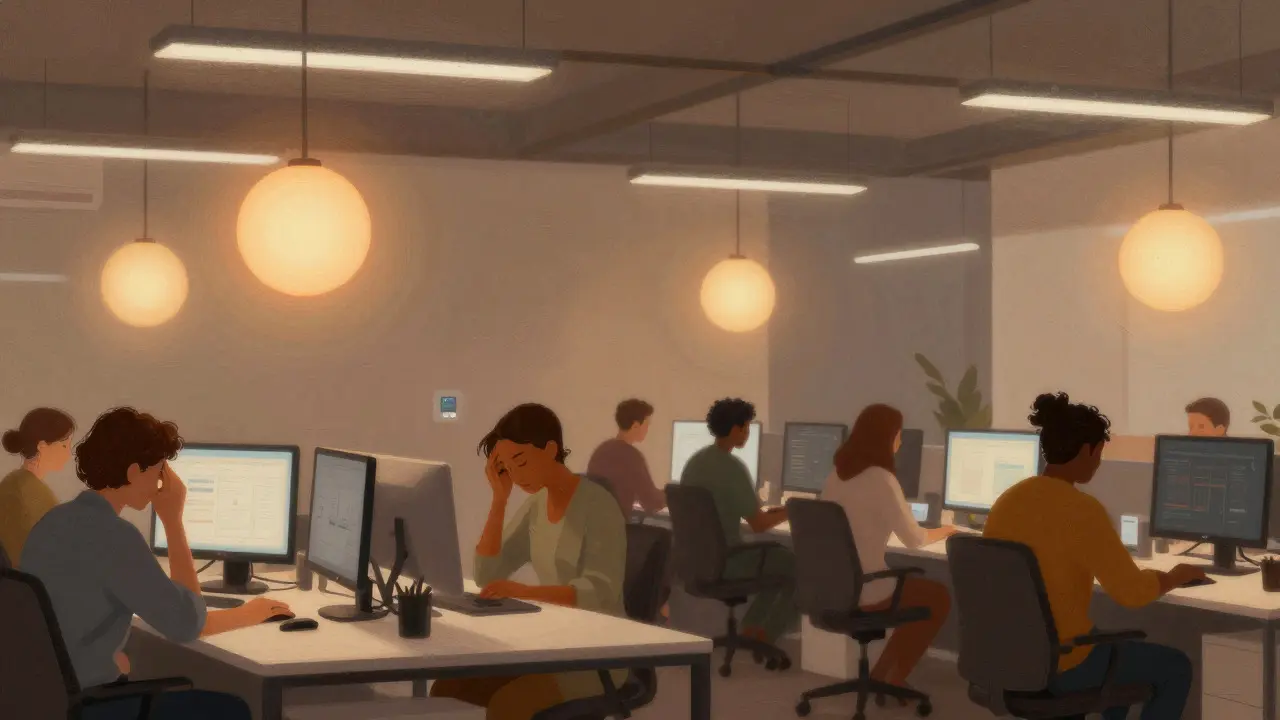
It’s crucial to note that digital screens contribute to the problem, but they aren’t the sole culprit. Research shows ambient lighting remains the primary trigger in 62% of workplace-related cases. So, while adjusting your screen brightness helps, it won’t solve the issue if your office lights are too harsh.
Diagnosis: More Than Just an Eye Exam
Getting diagnosed isn’t always straightforward. General practitioners sometimes dismiss symptoms as "normal sensitivity," leading to delayed treatment. For accurate results, a comprehensive workup is necessary. This typically involves two phases:
- Ophthalmic Evaluation: A detailed eye exam to rule out structural issues like cataracts, glaucoma, or inflammation. Newer tools like the Photosensitivity Assessment Device (PAD-2000) can measure pupillary light reflexes with 94% accuracy, offering a more objective baseline.
- Neurological Workup: If eye tests are normal, a neurologist should assess for migraines or other central nervous system disorders. This may include MRI scans or specific nerve pathway evaluations.
Costs vary, but expect to spend between $300 and $1,200 for a full diagnostic package depending on insurance coverage. Don’t skip this step. Treating the symptom without addressing the cause leads to ineffective management and potential misdiagnosis.
Effective Treatment Options and Solutions
Once you know the cause, treatment becomes targeted. There is no single FDA-approved drug specifically for photophobia itself, so interventions focus on the underlying condition and symptom management. Here are the most effective strategies:
Optical Solutions: The Power of Tinted Lenses
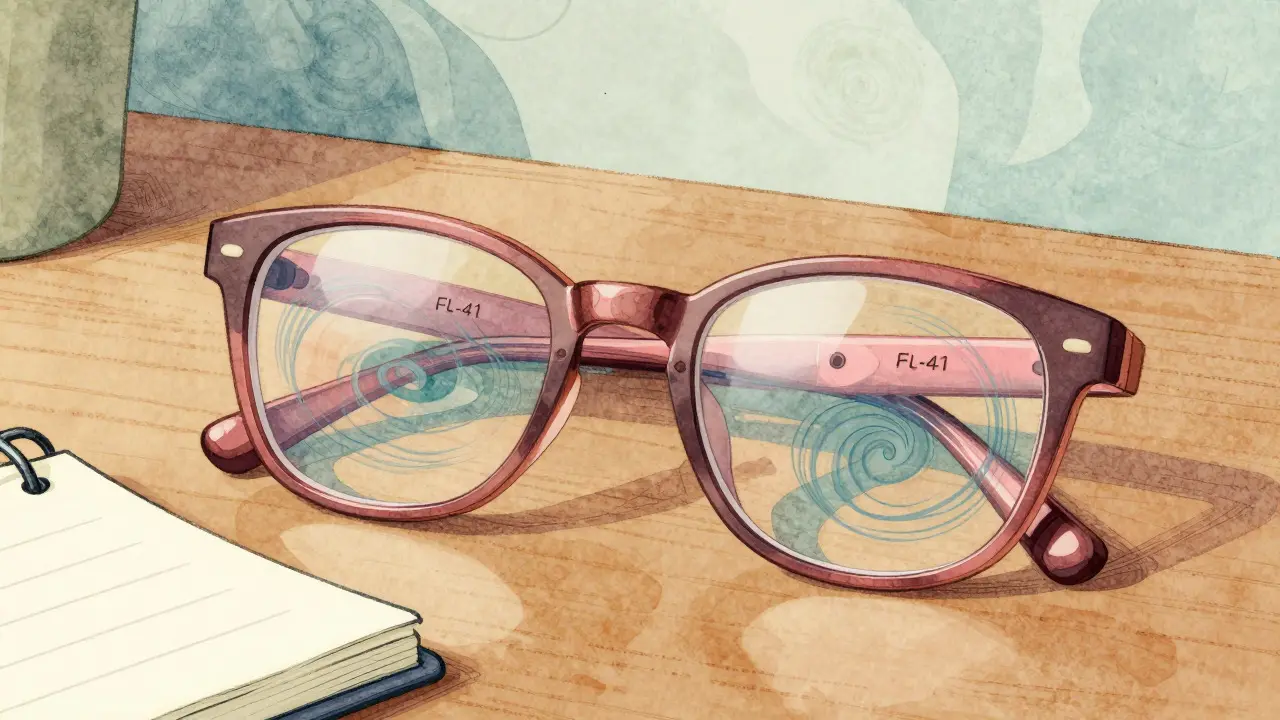
Not all sunglasses are created equal. Standard UV-blocking glasses help, but they don’t address the specific wavelengths that trigger neural overactivity. Enter FL-41 tinted lenses, which filter 70% of problematic blue-green light wavelengths (500-550nm). Studies show these lenses reduce symptoms by 43% in controlled trials. Brands like TheraSpecs dominate this market, with user reviews citing significant reductions in migraine frequency.
Adapting to FL-41 lenses takes time. Most people experience initial color distortion for 2-3 weeks. However, 68% report that this resolves quickly, leaving them with clearer vision and less pain. Avoid cheap "blue-light blocking" glasses that don’t target the critical 480nm wavelength; they often worsen symptoms rather than help.
Pharmaceutical Interventions
If migraines are the driver, treating the headache often resolves the light sensitivity. CGRP inhibitors, such as Aimovig, have shown promise in reducing both attack frequency and photophobia severity. These medications cost around $690 per month but can drastically improve quality of life for chronic sufferers. For acute episodes, standard migraine medications remain effective when taken early.
Environmental Modifications
Your environment plays a huge role. Smart lighting systems allow you to adjust intensity and color temperature. Keeping indoor lighting between 100-200 lux can provide immediate relief. Many companies are adopting "migraine-friendly" lighting standards, which has been shown to reduce sick days by 17%. At home, using warm-toned bulbs and avoiding overhead fluorescents can make a noticeable difference.
Comparing Treatment Approaches
Choosing the right path depends on your specific triggers and budget. Here’s how the main options stack up:
| Strategy | Average Cost | Time to Relief | Best For | Limitations |
|---|---|---|---|---|
| FL-41 Tinted Lenses | $149 - $250 (one-time) | 2-3 weeks adaptation | Chronic migraine-related photophobia | Color distortion initially; requires prescription fitting |
| CGRP Inhibitors | $690/month | 4-8 weeks | Frequent migraine attacks | High cost; injection required; not for everyone |
| Smart Lighting | $199 - $500 (setup) | Immediate | Workplace and home environments | Only addresses ambient light, not internal causes |
| Standard Sunglasses | $25 - $200 | Immediate | Mild outdoor sensitivity | Ineffective indoors; doesn't filter specific wavelengths |
Practical Tips for Daily Management
You can take control of your symptoms right now. Start by journaling your triggers. Note the time of day, lighting conditions, and what you were doing when symptoms flared up. This data helps your doctor pinpoint patterns. Try these immediate adjustments:
- Dim room lights to 100-200 lux when working at a desk.
- Use the night mode or warm color temperature settings on your phone and computer screens.
- Carry a pair of high-quality tinted glasses for errands and meetings.
- Stay hydrated and maintain regular sleep schedules, as fatigue lowers your threshold for light sensitivity.
Remember, photophobia is manageable. With the right combination of optical aids, medication, and environmental tweaks, 78% of cases show significant improvement within six months. Don’t let light dictate your life-take action today.
Is photophobia a permanent condition?
Not necessarily. If caused by a temporary issue like an eye infection or medication, it will resolve once the underlying cause is treated. Chronic cases related to migraines or autoimmune disorders may require long-term management but can be significantly improved with proper care.
Do blue-light blocking glasses help with photophobia?
Often, no. Generic blue-light blockers don’t target the specific 500-550nm wavelengths that trigger neural overactivity. FL-41 tints are clinically proven to be more effective. Using the wrong type of glasses can sometimes worsen symptoms.
How much do FL-41 glasses cost?
Prescription FL-41 glasses typically range from $149 to $250 per pair. Non-prescription versions are available but may not fit your specific vision needs. Insurance rarely covers these unless prescribed for a specific medical condition.
Can stress make photophobia worse?
Yes. Stress is a known trigger for migraines, which are closely linked to photophobia. Managing stress through relaxation techniques, regular exercise, and adequate sleep can help lower your overall sensitivity to light.
When should I see a doctor for light sensitivity?
See a doctor if sensitivity is sudden, severe, accompanied by pain or vision changes, or interferes with daily activities. Sudden onset could indicate serious conditions like meningitis or uveitis that require prompt treatment.