
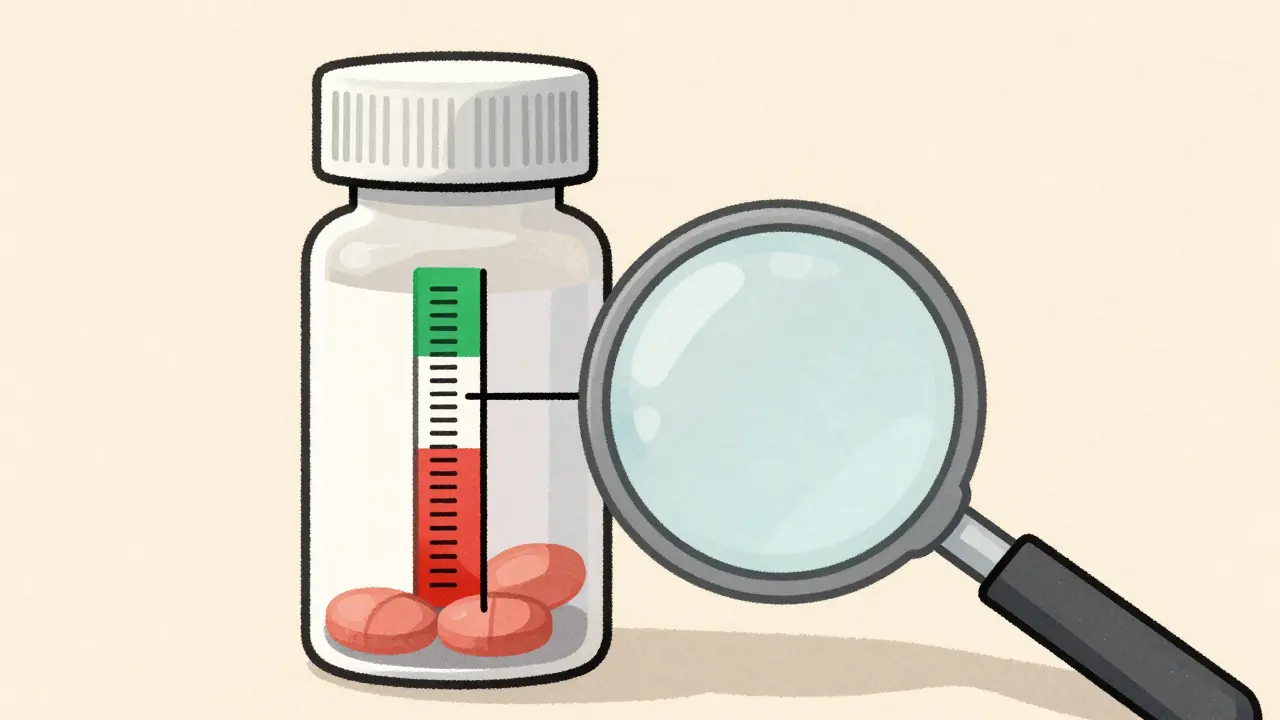
When a patient's medication is switched from brand-name to generic without warning, the consequences can be severe-for NTI drugs, even tiny changes in dosage can lead to dangerous side effects or treatment failure. This makes understanding prescriber attitudes toward NTI drug substitution a critical issue for healthcare providers. Let's explore why these drugs require special attention, how doctors view generic alternatives, and what the latest data reveals about real-world risks.
What are NTI drugs?
Narrow Therapeutic Index (NTI) drugs are medications where the difference between the minimum effective dose and the minimum toxic dose is extremely small. The FDA defines NTI drugs as having a ratio of ≤2 between these concentrations. This means a slight change in blood levels can cause serious harm. Common examples include warfarin for blood thinning, levothyroxine for thyroid conditions, and phenytoin for seizures.
For instance, warfarin requires precise dosing because too little won't prevent clots, while too much can cause life-threatening bleeding. A 2022 study in Clinical Pharmacology & Therapeutics found that 42% of physicians reported INR fluctuations after switching generic warfarin brands, requiring emergency monitoring. These drugs demand careful handling because their safety margin is razor-thin.
Why do prescribers worry about substitutions?
Specialty-specific concerns drive most prescriber hesitations. Transplant specialists, for example, show extreme caution. A 1997 survey of 59 transplant pharmacists revealed 92% believed bioequivalence testing for NTI drugs should happen in actual patients-not healthy volunteers. This is because drugs like tacrolimus, used to prevent organ rejection, have a 32% brand-name persistence rate in Medicare Part D data from 2022. Doctors fear even minor variations could trigger rejection episodes.
Neurologists and psychiatrists also have strong reservations. The American Academy of Neurology (AAN) states in its 2019 policy that automatic substitution for drugs like phenytoin or lithium is inappropriate without prescriber consultation. Lithium, used for bipolar disorder, has a 19% brand-name persistence rate. A 2021 study in the Journal of the American Pharmacists Association found psychiatrists receive 5.4 NTI substitution notifications monthly on average-more than double the rate for primary care doctors managing other NTI drugs.
How do state laws affect substitution?
| State | Substitution Rules | Generic Substitution Rate |
|---|---|---|
| Texas | Requires prescriber consent | 42% |
| Florida | Requires prescriber notification | 45% |
| California | Automatic substitution allowed | 78% |
| New York | Requires patient consent | 53% |
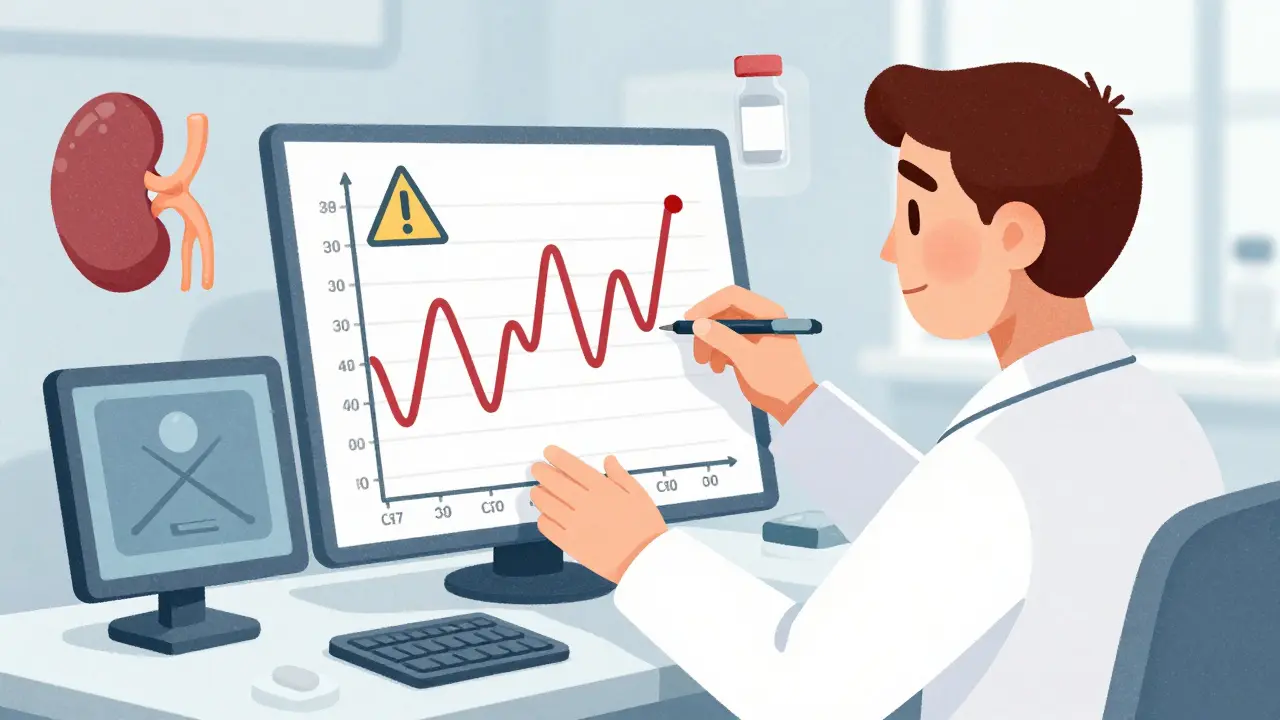
As of 2023, 28 U.S. states have specific NTI substitution rules. States like Texas and Florida mandate prescriber involvement before substitution, while California allows automatic generic switches. A 2022 analysis in the Journal of Managed Care & Specialty Pharmacy showed states with "affirmative patient consent" laws had 23% lower generic NTI substitution rates. This directly impacts patient outcomes-when substitutions happen without oversight, monitoring costs rise. The MGMA reports each uncoordinated substitution costs an estimated $127 per incident due to extra lab tests or office visits.
How do pharmacists and doctors communicate?
Clear communication channels are vital. A 2021 study found 63% of physicians prefer electronic notifications about NTI substitutions over phone calls. Primary care doctors typically get 2.7 substitution alerts monthly, while psychiatrists managing lithium see 5.4. This difference highlights how specialized care needs more coordination. The American Society of Health-System Pharmacists (ASHP) reports 78% of hospital pharmacists always notify prescribers before substituting NTI generics. Yet, 41% of physicians still report patient confusion after substitutions, according to AMA data from 2022.
Dr. Michael Cohen of the Institute for Safe Medication Practices (ISMP) testified in 2020 that prescribers need "clearer labeling to identify NTI drugs and standardized communication protocols." ISMP's database documented 1,247 NTI-related medication errors between 2015-2020, with 37% involving substitution issues. While only 8% caused harm, the potential for serious consequences keeps prescribers vigilant.

Market trends and economic impacts
Despite generic availability, brand-name NTI drugs maintain higher market shares than non-NTI drugs. Medicare Part D data from 2022 shows brand-name persistence rates: tacrolimus (32%), warfarin (28%), levothyroxine (25%), phenytoin (21%), and lithium (19%). A 2023 American College of Physicians survey found 57% of internists would prescribe brand-name NTI drugs for high-risk patients, citing stability concerns as the main reason.
Economic debates continue. The Congressional Budget Office estimates restricting NTI substitution could increase Medicare spending by $1.2 billion annually. Meanwhile, the Association for Accessible Medicines projects $127 billion in savings over 10 years with increased generic use. This tension between cost savings and clinical safety shapes policy decisions nationwide.
What's changing in 2024 and beyond?
Recent developments signal shifting attitudes. The FDA updated its NTI drug guidance in March 2023, adding 12 new drugs to the list while removing 3 based on new evidence. The Centers for Medicare & Medicaid Services (CMS) proposed a rule requiring prescriber notification for all NTI substitutions in Medicare Part D-a move reflecting persistent safety concerns despite FDA assurances.
Ongoing research like the PRESCRIPT-NTI trial (NCT04567812) is enrolling 1,200 patients across 42 sites to evaluate clinical outcomes after substitution. Preliminary data is expected in Q2 2024. Industry analysts at Evaluate Pharma predict NTI generic penetration will reach 78% by 2028, up from 62% in 2023, as prescriber confidence grows through better communication and real-world evidence.
What qualifies a drug as having a narrow therapeutic index?
A drug is classified as narrow therapeutic index (NTI) when the difference between its effective dose and toxic dose is very small. The FDA defines this as a ratio where the minimum toxic concentration divided by the minimum effective concentration is 2 or less. Examples include warfarin, where a slight overdose can cause dangerous bleeding, or phenytoin, where small changes can lead to seizures or toxicity. These drugs require careful monitoring to ensure safety.
Why do transplant specialists avoid generic substitutions?
Transplant specialists worry because drugs like tacrolimus have extremely tight safety margins. A 1997 survey of 59 transplant pharmacists showed 92% believed bioequivalence testing should happen in actual patients, not healthy volunteers. Even small variations in blood levels could trigger organ rejection. With 32% of tacrolimus prescriptions still using brand names, specialists prioritize stability over cost savings.
How do state laws impact substitution rates?
States with strict substitution rules see lower generic use. For example, Texas requires prescriber consent, resulting in a 42% generic substitution rate for NTI drugs. California allows automatic substitutions, leading to 78% generic use. A 2022 study found states with "affirmative patient consent" laws had 23% lower substitution rates. This directly affects patient monitoring costs and safety outcomes.
What's the FDA's current stance on generic NTI drugs?
The FDA maintains that 98% of generic drugs, including NTI drugs, perform within 3-4% of brand-name versions based on post-market surveillance. However, they tightened bioequivalence standards in 2019, requiring a 90-111% range instead of the standard 80-125% for NTI drugs. The agency also added 12 new drugs to the NTI list in March 2023, showing ongoing vigilance.
Do electronic notifications improve communication?
Yes. A 2021 study found 63% of physicians prefer electronic notifications over phone calls for NTI substitutions. Primary care doctors receive about 2.7 substitution alerts monthly, while psychiatrists managing lithium get 5.4. This digital communication reduces errors-pharmacists using electronic systems report 30% fewer missed notifications compared to phone-based systems.
What are the most common NTI drugs with substitution issues?
Warfarin, levothyroxine, phenytoin, lithium, and tacrolimus account for most substitution-related problems. Warfarin has a 28% brand persistence rate, with 42% of physicians reporting INR fluctuations after generic switches. Levothyroxine (25% brand share) often causes thyroid hormone instability. The Institute for Safe Medication Practices documented 37% of NTI errors between 2015-2020 involved these top five drugs.
Bella Cullen
Generic warfarin substitutions have caused serious bleeding incidents in my practice. It's not worth the risk.
Sam Salameh
As an American, I'm concerned about how generic substitutions for NTI drugs are putting patients at risk. We need stricter regulations to protect our healthcare system. The FDA should take action now before more harm is done.
Katharine Meiler
Therapeutic equivalence for narrow therapeutic index (NTI) drugs requires meticulous attention to bioequivalence parameters. The FDA's 2019 update to the NTI drug guidelines mandates a 90-111% confidence interval for Cmax and AUC, significantly stricter than standard generics. This adjustment reflects the need for precision in drugs like warfarin and phenytoin, where even small variations in blood concentration can lead to clinical consequences-such as INR fluctuations in warfarin or seizure recurrence with phenytoin. A 2022 study in the Journal of Managed Care & Specialty Pharmacy highlighted that states with mandatory prescriber consent laws (e.g., Texas) had 23% lower substitution rates, directly impacting patient safety. Collaborative efforts between pharmacists, physicians, and regulators are essential to mitigate risks while maintaining access to affordable medications. Additionally, the PRESCRIPT-NTI trial is currently enrolling 1,200 patients across 42 sites to evaluate clinical outcomes post-substitution, with preliminary data expected in Q2 2024. This research could provide valuable insights into real-world therapeutic equivalence. It's also worth noting that the Institute for Safe Medication Practices documented 1,247 NTI-related medication errors between 2015-2020, with 37% involving substitution issues. While only 8% caused harm, the potential for serious consequences keeps prescribers vigilant. The American Society of Health-System Pharmacists reports 78% of hospital pharmacists always notify prescribers before substituting NTI generics, yet 41% of physicians still report patient confusion after substitutions. This underscores the need for standardized communication protocols and clearer labeling to identify NTI drugs. Furthermore, the Congressional Budget Office estimates restricting NTI substitution could increase Medicare spending by $1.2 billion annually, while the Association for Accessible Medicines projects $127 billion in savings over 10 years with increased generic use. This tension between cost savings and clinical safety shapes policy decisions nationwide. Finally, the FDA recently updated its NTI drug list in March 2023, adding 12 new drugs while removing 3 based on new evidence, showing ongoing vigilance. In conclusion, a balanced approach that prioritizes patient safety while considering economic factors is necessary for managing NTI drug substitutions effectively.
Andre Shaw
Actually, the FDA's 90-111% range is still too lenient. Real-world data shows that even within that range, some generics have caused clinical issues. For example, a 2021 study found that 15% of patients on generic levothyroxine had abnormal TSH levels despite being within bioequivalence limits. The current standards are not sufficient.
Danielle Vila
Big Pharma is deliberately manipulating the FDA to allow dangerous generic substitutions for NTI drugs. They're funding studies to downplay risks while suppressing evidence. Remember when they tried to get lithium generics approved? The data shows higher rates of toxicity, but they buried it. The government is in on it-why else would states like California allow automatic substitutions? It's all about profits, not patient safety. I've read internal documents that show the FDA's own studies were altered to show generics were safe. They're even hiding the fact that some generic manufacturers use subpar ingredients from overseas factories. This is a massive conspiracy to make money at the expense of patients. We need to expose this and demand transparency immediately. The truth is out there, but the corporations are doing everything they can to keep it hidden. Wake up, people!
Carol Woulfe
Your observation is astute. The FDA's reported 37% substitution-related errors are misleading. A deeper analysis reveals that the majority of these incidents stem from pharmacy dispensing errors rather than inherent drug issues. However, the pharmaceutical industry's lobbying efforts have obscured this reality, pushing for broader generic use while suppressing data on manufacturing inconsistencies. This is a textbook case of corporate influence on regulatory bodies. Additionally, there's evidence that the FDA's advisory committee members have undisclosed ties to pharmaceutical companies. We must demand transparency and hold these entities accountable for endangering public health.
Joyce cuypers
I think this is such an important topic! NTI drugs are so delicate. Maybe we need better communication between doctors and pharmacists. Like, electronic alerts could help. But I'm not a expert so maybe I'm wrong lol.
Georgeana Chantie
Electronic alerts are useless. We need to go back to the old ways. No more generics for NTI drugs. America's healthcare is failing because of this. 😤
Kieran Griffiths
Great discussion here. I've seen firsthand how important clear communication is between pharmacists and doctors. A simple electronic notification system could prevent many issues. Let's work together to improve this process.
Thorben Westerhuys
OH MY GOD, YES! It's so important to have clear communication! I've had patients who almost died because of substitution issues-this is life or death! We need to do better, like, RIGHT NOW! 😭😭😭