
Grapefruit & Medication Interaction Checker
Enter one or more medication names separated by commas to check for grapefruit interactions.
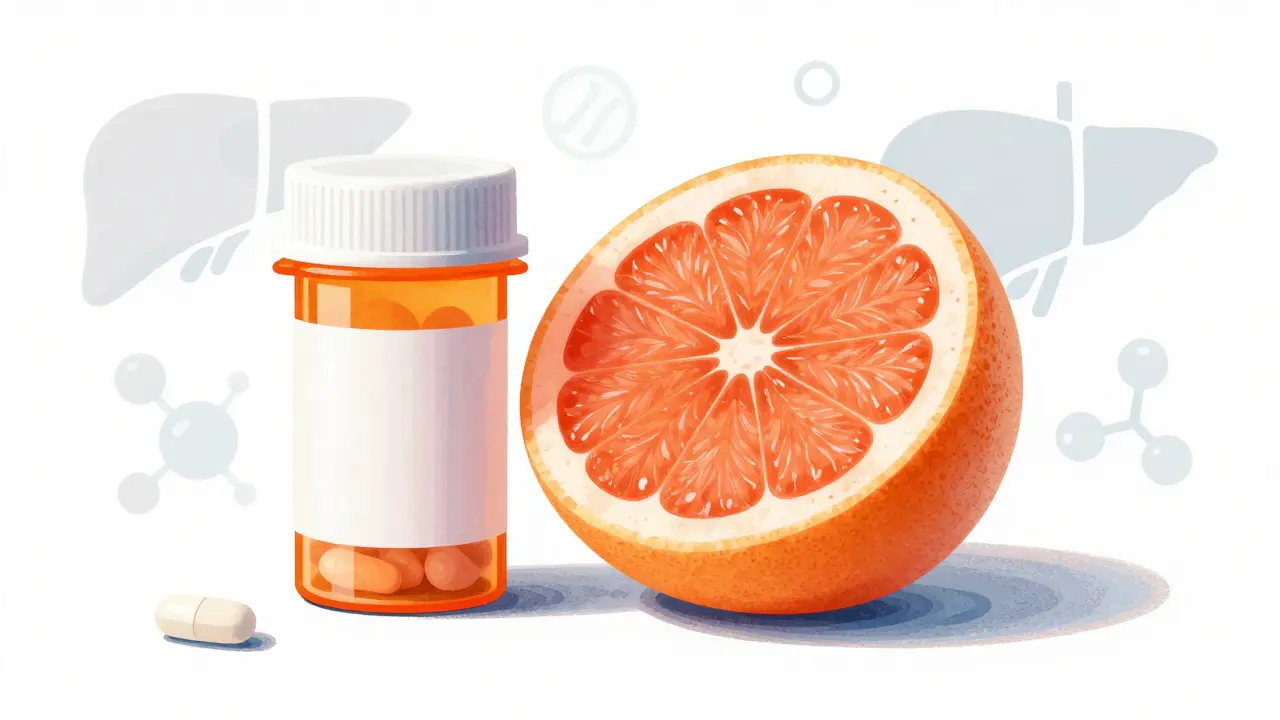
That morning glass of fresh-squeezed grapefruit juice is a popular breakfast beverage known for its tart flavor and high vitamin C content might seem like a harmless start to your day. But if you take certain prescription medications, that same drink could be quietly turning your dose into an overdose. This isn't just old wives' tale or minor dietary advice; it is a well-documented pharmacological phenomenon that affects thousands of patients annually. The interaction between grapefruit and specific drugs can increase blood levels of medication by up to 300%, leading to severe side effects ranging from muscle damage to kidney failure.
You do not need to chug a gallon of juice to trigger this reaction. Even small amounts-just one glass (200 milliliters) consumed daily-can have lasting consequences. The danger lies in the fact that many people assume they can simply separate their medication time from their fruit consumption. Unfortunately, biology does not work on such simple schedules. To understand why this happens and which pills are off-limits, we need to look at what actually occurs inside your body when these two substances meet.
The Science Behind the Interaction
At the heart of this issue is a group of compounds called furanocoumarins are natural chemical compounds found in grapefruit that inhibit liver enzymes responsible for metabolizing drugs. Specifically, bergamottin and 6',7'-dihydroxybergamottin act as powerful inhibitors of the CYP3A4 enzyme is a major metabolic enzyme located in the intestinal lining and liver that breaks down approximately 50% of all prescribed medications. Under normal circumstances, CYP3A4 acts as a gatekeeper, breaking down a significant portion of oral medications before they enter your bloodstream-a process known as first-pass metabolism.
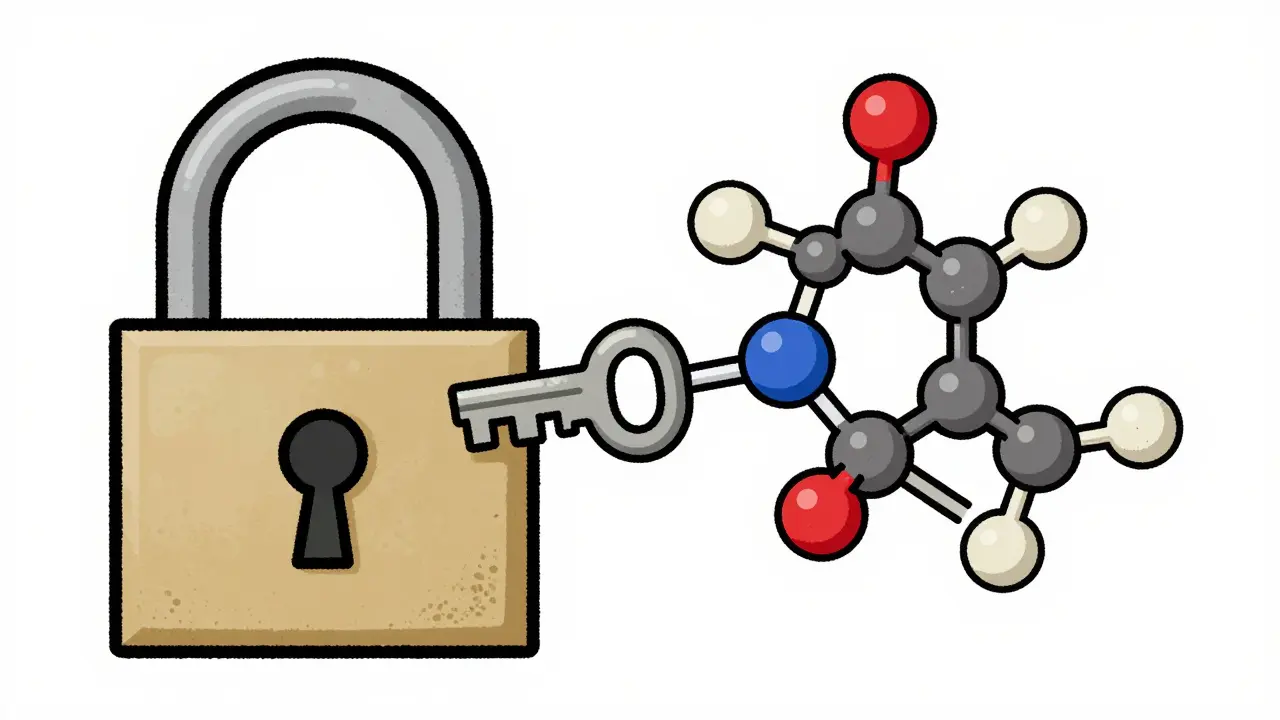
When you consume grapefruit, the furanocoumarins bind irreversibly to these enzymes. Think of it like gluing a key into a lock so it cannot turn anymore. Because the inhibition is irreversible, your body must synthesize new enzymes to restore normal function. This regeneration process takes 24 to 72 hours. Consequently, drinking grapefruit juice at breakfast while taking your pill at bedtime will not protect you. The enzyme suppression persists throughout the day, meaning any medication taken during that window faces reduced breakdown and increased absorption into your system.
This mechanism was first identified in 1989 by researchers David G. Bailey and colleagues at the University of Western Ontario. They were studying alcohol interactions with felodipine when they unexpectedly discovered that grapefruit juice increased felodipine plasma concentrations by 355%. Since then, scientific understanding has expanded significantly. A landmark study published in the Canadian Medical Association Journal (CMAJ) in 2012 listed 85 medications known to interact with grapefruit, with 43 classified as potentially life-threatening. As of 2023, the FDA continues to update warnings on prescription labels based on this evolving data.
High-Risk Medication Categories
Not every drug reacts to grapefruit, but several major classes do. If you are taking medications for heart conditions, cholesterol, or immune suppression, you need to pay close attention. Here are the most critical categories where interactions are common and dangerous.
Statins (Cholesterol Medications)
Statins are among the most widely prescribed drugs globally, used to lower LDL cholesterol and reduce cardiovascular risk. However, some statins are heavily metabolized by CYP3A4, making them prime targets for grapefruit interference.
- Simvastatin (Zocor): This drug shows one of the most dramatic interactions. Consuming 200mL of grapefruit juice daily for three days can triple blood levels of simvastatin, raising concentrations from ~15 ng/mL to ~45 ng/mL. This spike dramatically increases the risk of rhabdomyolysis, a condition involving severe muscle breakdown that can lead to kidney damage.
- Atorvastatin (Lipitor): Grapefruit juice can increase the area under the curve (AUC) of atorvastatin by approximately 80%, elevating the risk of side effects like muscle pain and weakness.
- Lovastatin (Mevacor): Bioavailability can increase by up to 1500% when combined with grapefruit, making accidental overdose highly likely even with standard doses.
It is worth noting that not all statins are affected equally. Pravastatin (Pravachol) and rosuvastatin (Crestor) use different metabolic pathways and do not significantly interact with grapefruit. If you love grapefruit but need cholesterol management, these alternatives may be safer options after consulting your doctor.
Calcium Channel Blockers (Blood Pressure Medications)
These drugs relax blood vessels to lower blood pressure. When grapefruit inhibits their breakdown, blood pressure can drop too low, causing dizziness, fainting, or shock.
- Felodipine (Plendil): The original drug where the interaction was discovered. Blood levels can rise by 355%.
- Nifedipine (Procardia, Adalat CC): AUC increases by 274%, posing risks of hypotension and reflex tachycardia.
- Amlodipine (Norvasc): Plasma concentrations can increase by 150%, though clinical symptoms vary more between individuals compared to other calcium channel blockers.
Immunosuppressants
For organ transplant recipients, maintaining precise drug levels is critical. Too little leads to rejection; too much causes toxicity. Grapefruit makes this balance nearly impossible to maintain.
- Cyclosporine (Sandimmune, Neoral): Trough concentrations can increase by 50-60%.
- Tacrolimus (Prograf): Exposure can jump by 300-500%, significantly increasing risks of nephrotoxicity (kidney damage) and neurotoxicity.
- Sirolimus (Rapamune): AUC can increase by 1100%, creating extreme variability in drug efficacy and safety.
| Drug Class | Example Medications | Potential Consequence | Risk Level |
|---|---|---|---|
| Statins | Simvastatin, Atorvastatin | Muscle damage (Rhabdomyolysis), Kidney injury | High |
| Calcium Channel Blockers | Felodipine, Nifedipine | Severe hypotension, Dizziness, Fainting | High |
| Immunosuppressants | Cyclosporine, Tacrolimus | Kidney toxicity, Infection risk, Neurotoxicity | Critical |
| Anxiolytics | Benzodiazepines (e.g., Triazolam) | Excessive sedation, Respiratory depression | Moderate to High |
Other Citrus Fruits and Hidden Sources
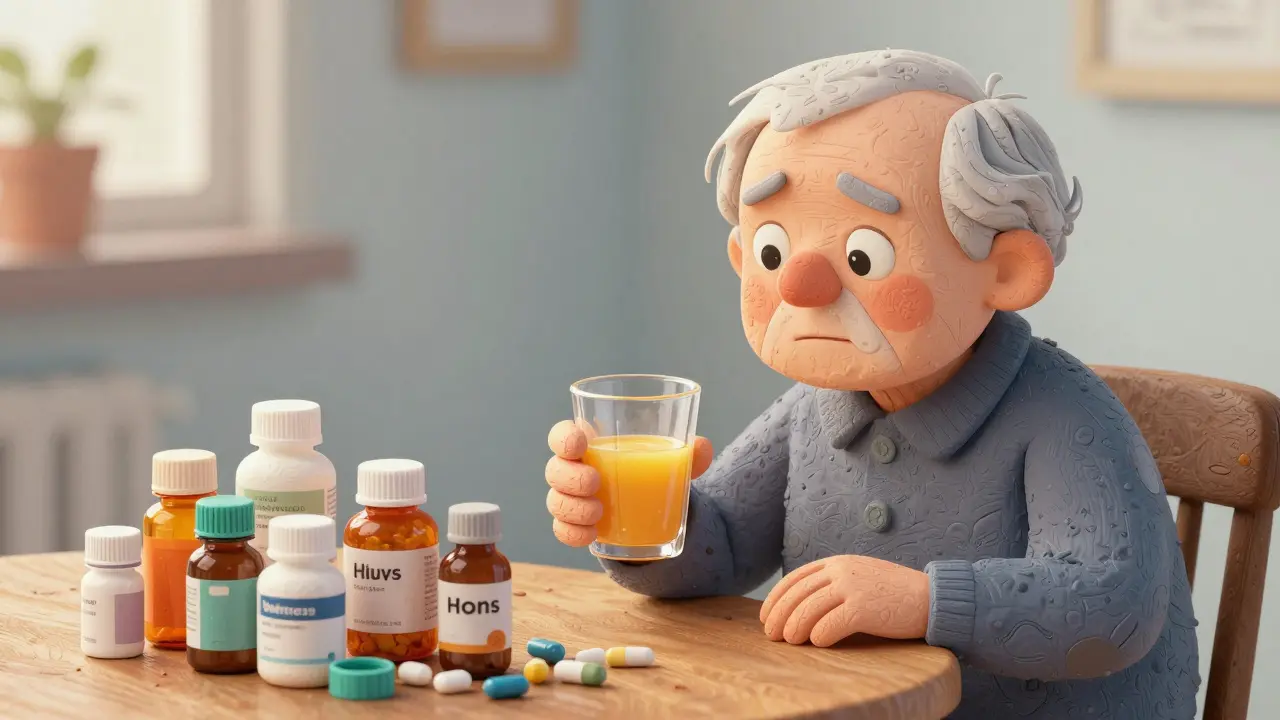
Many people assume that switching to orange juice solves the problem. While regular sweet oranges are generally safe, other citrus fruits contain similar furanocoumarins. Seville oranges, often used in traditional marmalades, pose the same risks as grapefruit. Pomelos and limes also contain these compounds and should be avoided if you are on interacting medications.
Even pomegranate juice has been suggested in case reports to enhance certain drug effects through similar mechanisms, although the evidence is less robust than for grapefruit. Always check ingredient lists on processed foods. Some salad dressings, marinades, and health supplements contain grapefruit extract or pomelo oil, which can deliver enough furanocoumarins to trigger an interaction without you realizing it.
Why Timing Doesn't Work
A common misconception is that you can avoid the interaction by spacing out your medication and your fruit intake. For example, taking your pill in the morning and eating grapefruit at dinner. This strategy fails because the enzyme inhibition caused by furanocoumarins is irreversible. Once the CYP3A4 enzymes are blocked, they stay blocked until your body produces new ones, a process that takes up to three days.
Therefore, complete avoidance is the only reliable strategy. The FDA recommends asking your pharmacist or doctor three specific questions: 1. Does my specific drug interact with grapefruit? 2. How much grapefruit, if any, can I safely consume? 3. What other fruits or juices may affect my medication similarly?
Management and Alternatives
If you are diagnosed with a condition requiring one of these high-risk medications, you are not necessarily forced to give up grapefruit forever. In many cases, alternative medications exist that do not rely on CYP3A4 metabolism. For instance, if you are on simvastatin, your doctor might switch you to pravastatin or rosuvastatin. If you are on amlodipine, diltiazem might be a suitable alternative. Warfarin users concerned about interactions might consider apixaban (Eliquis), which does not interact with grapefruit.
Pharmacists play a crucial role here. According to the American Pharmacists Association, over 78% of community pharmacists routinely screen for grapefruit-drug interactions during medication therapy management services. Do not hesitate to ask your pharmacist to review your entire medication list against your diet. Electronic health record systems now include clinical decision support alerts for these interactions, helping doctors catch potential issues before prescribing.
Vulnerability in Older Adults
The risk of grapefruit-drug interactions is particularly acute for older adults. According to the CDC's 2021 National Health Interview Survey, 52.3% of Americans aged 65 and older take five or more prescription drugs daily. Polypharmacy-the use of multiple medications-increases the likelihood of encountering an interacting drug. Furthermore, Harvard Medical School notes that people over 45 are more likely to be prescribed drugs that interact with grapefruit and also tend to consume grapefruit products regularly for their perceived health benefits.
Genetic factors also play a role. A 2021 study published in Clinical Pharmacology & Therapeutics found that patients with the CYP3A4*22 allele experienced 40% more pronounced interactions with grapefruit compared to non-carriers. This genetic variation means that two people taking the same medication and eating the same amount of grapefruit could have vastly different outcomes.
Can I eat grapefruit if I take Lisinopril?
Generally, yes. Lisinopril is an ACE inhibitor and is not primarily metabolized by the CYP3A4 enzyme. Therefore, it does not have a significant interaction with grapefruit. However, always confirm with your healthcare provider as individual health profiles vary.
How long does the grapefruit effect last?
The enzyme inhibition caused by grapefruit can last between 24 and 72 hours. This is because the furanocoumarins irreversibly block the CYP3A4 enzymes, and your body needs time to produce new enzymes to replace the blocked ones.
Is Seville orange marmalade safe?
No. Seville oranges contain high levels of furanocoumarins, similar to grapefruit. If you are taking interacting medications, you should avoid marmalades made from Seville oranges.
Does grapefruit juice interact with Tylenol (Acetaminophen)?
No, acetaminophen is not metabolized by CYP3A4 to a significant extent. It is considered safe to consume with grapefruit juice for most people.
What are the symptoms of a grapefruit-medication interaction?
Symptoms depend on the medication. For statins, watch for unexplained muscle pain, tenderness, or weakness. For blood pressure meds, look for dizziness, lightheadedness, or fainting. For immunosuppressants, signs may include changes in kidney function tests or increased susceptibility to infections. Seek medical attention immediately if you experience severe symptoms.