
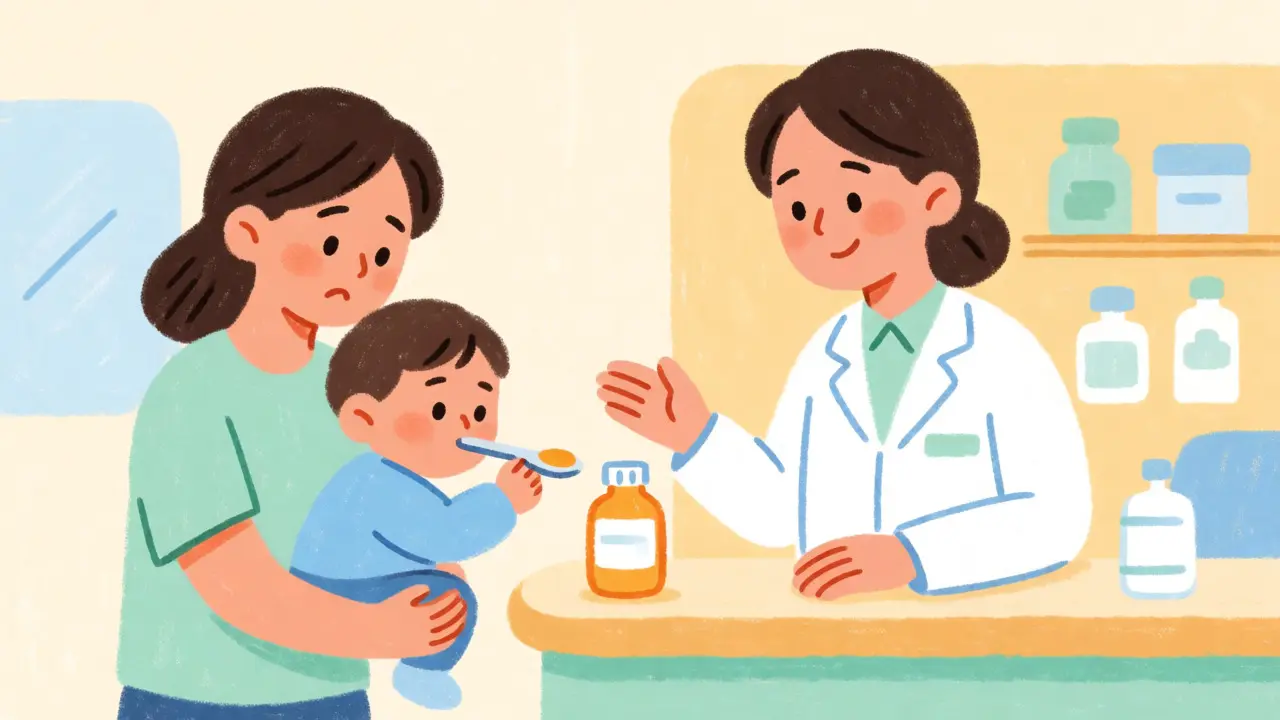
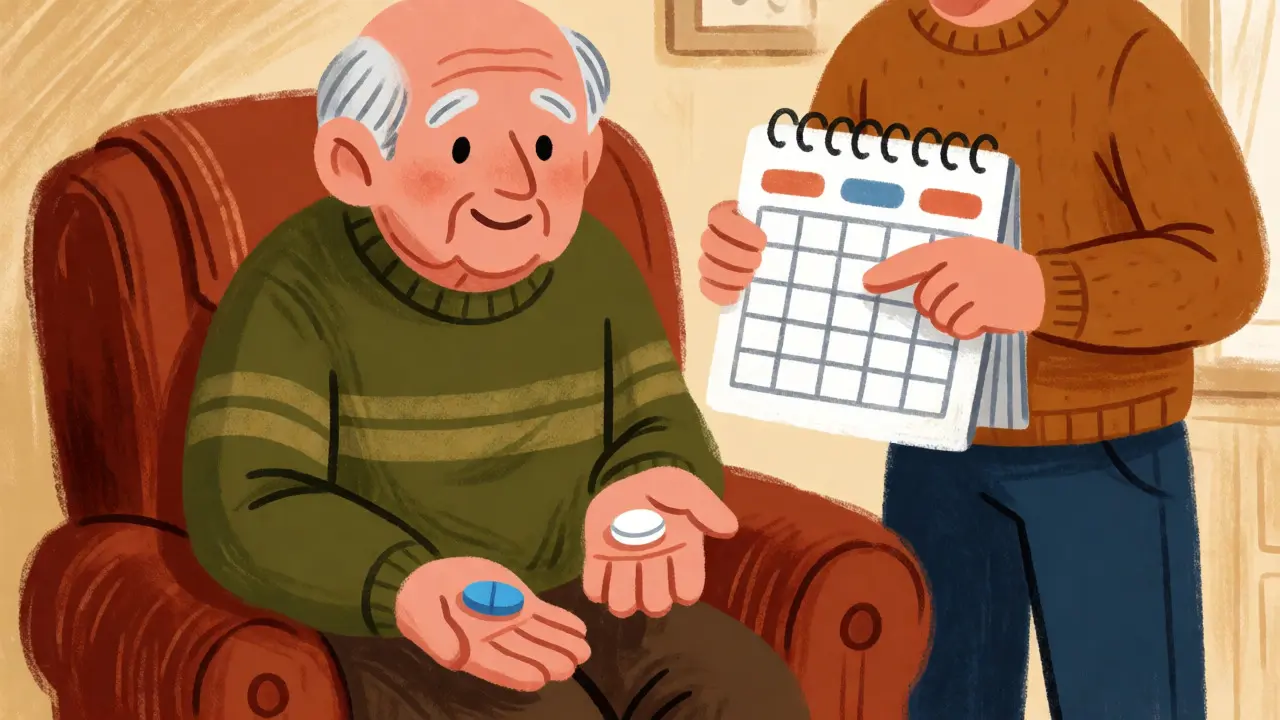
Imagine handing a parent a bottle of antibiotics for their toddler, only to have them stare at you with suspicion because the liquid tastes "wrong." Or picture an elderly patient stopping their blood pressure medication entirely because the pill changed from blue to white, leading them to believe they were being poisoned. These aren't rare anecdotes; they are the daily reality of generic substitution. While generics save the US healthcare system $373 billion annually, the human side of this transaction often gets lost in the paperwork. For vulnerable populations like children and seniors, swapping a brand-name drug for a generic isn't just a financial decision-it's a clinical intervention that requires careful handling. If you get the messaging wrong, adherence drops, errors rise, and trust evaporates.
The Science Behind the Swap: Why It’s Not Always Simple
Most people think "generic" means "identical copy." In pharmacology, it’s more nuanced. Generics must contain the same active ingredient, strength, dosage form, and route of administration as the brand-name product. They also need to prove bioequivalence, meaning the rate and extent of absorption falls within 80-125% of the original drug. That 20% window is regulatory standard, but for sensitive patients, it matters. A 2017 Danish study showed that even within these approved limits, some epilepsy patients experienced seizure relapses when switching formulations. This isn't about the drug being "bad"; it’s about physiological sensitivity.
For kids, the issue shifts from chemistry to physics. The FDA notes that 68% of brand-name pediatric drugs come in kid-friendly forms like sweetened suspensions or chewables. Only 32% of generics match this convenience. When a generic amoxicillin suspension tastes bitter compared to its branded counterpart, a two-year-old won’t care about the chemical equivalence-they’ll spit it out. This formulation gap creates a direct link between poor communication and treatment failure.
Talking to Parents: Addressing the "Brand Name Bias"
Parents are naturally protective. A 2020 study in *Pediatrics* found that 62% of parents hesitate when a doctor suggests a generic substitute. Their fear isn't irrational; it stems from a lack of transparency. If you simply say, "This is the same thing, just cheaper," you miss the mark. You need to address the specific concerns of the child’s physiology.
Start by acknowledging the difference in appearance or taste. Don't hide it. Say something like, "The manufacturer changed the flavoring agents, which might make it taste slightly different, but the medicine inside works exactly the same way." Use visual aids if possible. Show them the box. Explain that while the inactive ingredients (the fillers) change, the active ingredient-the part that fights the infection-does not.
| Parent Concern | Clinical Reality | Recommended Response |
|---|---|---|
| Taste/Texture changes | Inactive ingredients vary; active ingredient is identical | "The medicine is the same, but the 'flavor coating' is different. Let's try mixing it with juice if needed." |
| Fear of lower quality | FDA requires strict bioequivalence testing | "The FDA tests generics to ensure they work just as fast and strong as the brand name." |
| Confusion over names | Generic names differ from brand names | "Think of it like store-brand cereal. Different box, same oats." |
Use analogies that resonate. Comparing generics to store-brand groceries helps demystify the concept. Crucially, involve the child in the conversation if age-appropriate. Ask them, "Does this taste okay?" This gives them agency and reduces anxiety, which can otherwise manifest as refusal.
Engaging Seniors: Managing Polypharmacy and Cognitive Load
Senior patients face a different set of hurdles. According to the American Geriatrics Society, the average older adult takes 4.8 prescription medications. Adding a generic substitution to this mix increases cognitive load. If a patient has taken a specific blue oval pill for ten years, suddenly receiving a white round tablet can trigger confusion. A 2023 AARP survey revealed that 52% of seniors experienced confusion when multiple generics with different appearances were substituted over time, leading to medication errors in 38% of cases.
The key here is proactive management. Do not wait for the patient to notice the change. Initiate counseling before they open the new bottle. Dr. Michael Steinman, a geriatric specialist, recommends framing the change positively: "We’re updating your medication to a version that costs less but works just as well. Here is what the new pill looks like so you don’t worry."
Cognitive decline and sensory limitations play a role too. Large-print materials and simplified instructions are non-negotiable. Involve family caregivers in the discussion. They often serve as the memory bank for medication routines. If a senior patient expresses doubt, use the teach-back method. Ask them to explain back to you how they will take the new pill. If they can describe the color, shape, and timing correctly, understanding is confirmed. A 2022 study showed this method improved adherence by 32% in senior populations.

The Nocebo Effect: When Belief Becomes Symptom
Here is a tricky psychological phenomenon: the nocebo effect. If a patient believes a cheaper, differently shaped pill is inferior, they may report side effects that aren't pharmacologically caused by the drug. A 2021 study in *Frontiers in Pharmacology* found that 58% of senior patients reported perceived side effects after substitution, compared to 42% of younger adults. This isn't them "making it up." Their brain interprets the unfamiliarity as a threat.
To combat this, manage expectations early. Avoid words like "cheap" or "substitute." Instead, use terms like "equivalent" or "standardized." Emphasize safety monitoring. Tell the patient, "Let’s watch for any changes in how you feel for the first week. If anything feels off, call us immediately." This reassurance breaks the cycle of anxiety-driven symptoms.
Practical Strategies for Healthcare Providers
Effective communication isn't accidental; it's a skill. Here are concrete steps to improve outcomes:
- Preemptive Counseling: Discuss potential substitutions during the initial prescribing visit, not just at the pharmacy counter. Prepare patients for the possibility of formulation changes.
- Visual Verification: Provide images of the new generic medication. Apps that recognize pill imprints can be invaluable for seniors who struggle with text-based labels.
- Plain Language Standards: Adhere to NIH health literacy guidelines. Aim for a 6th-8th grade reading level. Avoid jargon like "bioavailability" unless you define it simply.
- Consistency Checks: For chronic conditions, try to keep the generic manufacturer consistent where possible. Frequent changes in pill appearance disrupt routine and increase error rates.
Remember, the goal isn't just compliance; it's confidence. When a parent trusts that the generic antibiotic will cure their child’s ear infection without causing distress, or when a senior feels secure that their new blood pressure pill is safe, therapeutic outcomes improve. The data supports this: traditional methods result in 37% higher discontinuation rates, while evidence-based communication strategies significantly reduce errors.
Are generic drugs really as effective as brand-name drugs?
Yes, for the vast majority of medications. The FDA requires generics to demonstrate bioequivalence, meaning they deliver the same amount of active ingredient into the bloodstream at roughly the same rate as the brand-name drug. However, for narrow therapeutic index drugs (like certain anti-seizure meds), close monitoring is advised during switches.
Why do generic pills look different from brand-name pills?
Trademark laws prevent generics from copying the exact appearance (color, shape, size) of the brand-name drug to avoid consumer confusion. Additionally, manufacturers may use different inactive ingredients (excipients) such as binders, dyes, or flavorings, which affects the pill's physical characteristics but not its therapeutic action.
What should I do if my child refuses to take the generic medication due to taste?
First, confirm the active ingredient is correct. Then, ask the pharmacist if a different generic manufacturer offers a better-tasting formulation. You can also try mixing the medication with a small amount of strong-flavored food (like applesauce or chocolate syrup) if compatible, but always check with your provider first to ensure it doesn't affect absorption.
How can I help an elderly parent adjust to a new generic pill?
Involve them in the process. Show them pictures of the old and new pills. Update their pill organizer together. Use large-print labels and consider setting phone reminders. Reassure them that the change is routine and safe, and monitor for any actual side effects versus anxiety-induced perceptions.
Can I request a brand-name drug instead of a generic?
Yes, in most cases. You can ask your prescriber to write "Dispense as Written" (DAW) on the prescription. However, this often results in higher out-of-pocket costs. Insurance plans may also require prior authorization for brand-name drugs if a generic equivalent exists.