

Sleep Aid Risk & Alternatives Calculator
Your Profile
Drug Half-Life (Clearance)
-- hrs
Effectiveness Remaining
--%
Based on current medical guidelines (AASM) for your specific profile.
Enter your details to analyze safety
Calculate drug clearance times and find better alternatives.
That little bottle of Diphenhydramine is a first-generation antihistamine commonly used as an over-the-counter sleep aid under brand names like Benadryl, Unisom, and ZzzQuil. It has been a staple in medicine cabinets since the 1940s. You probably know it for stopping allergies, but millions of people also take it to crash after a long day. It’s cheap, easy to find, and seems to work fast. But here is the uncomfortable truth: medical experts are increasingly warning that this common remedy might be doing more harm than good, especially if you use it regularly or if you are getting older.
The American Academy of Sleep Medicine (AASM) explicitly states that diphenhydramine is not recommended for treating chronic insomnia. Why? Because while it knocks you out, it doesn’t give you restful sleep, and the next-day hangover can wreck your productivity and safety. Let’s break down why your body reacts this way and what you can do instead.
How Diphenhydramine Actually Works in Your Brain
To understand the risks, you need to look at the mechanism. Diphenhydramine is a competitive inverse agonist at the H1 receptor. In plain English, it blocks histamine signals that keep you awake. But it doesn’t just stop there. It crosses the blood-brain barrier easily, which is great for sedation but terrible for precision. It also has strong anticholinergic properties. This means it blocks acetylcholine, a neurotransmitter crucial for memory, learning, and muscle control.
When you take a standard dose of 25-50 mg, the drug reaches peak concentration in your blood within one to two hours. That’s why you feel sleepy quickly. However, the half-life-the time it takes for your body to clear half the drug-varies wildly by age. In children, it might be gone in four hours. In elderly patients, that number jumps to 18 hours. This discrepancy explains why a teenager might wake up refreshed while a senior feels groggy until noon.
| Attribute | Pediatric Patients | Adults | Elderly (65+) |
|---|---|---|---|
| Half-Life | ~4.0 hours | ~6-8 hours | ~18.0 hours |
| Bioavailability | 80-90% | 80-90% | 80-90% |
| Residual Sedation Risk | Low | Moderate | High |
This lingering presence in your system is what causes the "next-day grogginess" reported by nearly 70% of users in clinical studies. It’s not just feeling tired; it’s impaired cognitive function. A 2021 study found that driving after taking diphenhydramine can impair performance equivalent to having a blood alcohol concentration of 0.10%, which is above the legal limit in all U.S. states. The European Medicines Agency even classified it alongside benzodiazepines for its potential to affect machine operation.
The Anticholinergic Burden: Long-Term Cognitive Risks
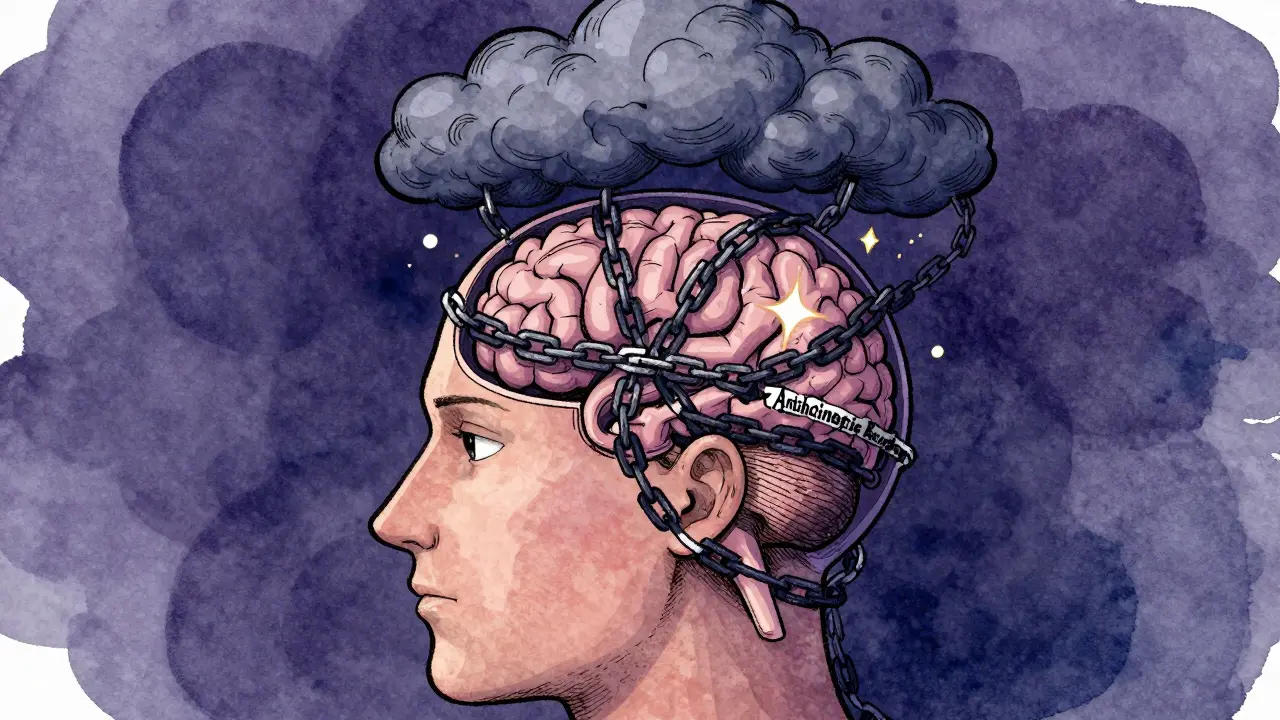
The most concerning aspect of regular diphenhydramine use isn’t the daytime sleepiness-it’s the impact on your brain health over time. Acetylcholine is essential for maintaining neural connections. When you block it repeatedly with anticholinergic drugs like diphenhydramine, you accumulate what researchers call an "anticholinergic burden."
A systematic review published in the Journal of the American Geriatrics Society in 2024 highlighted a stark statistic: long-term use of these medications was associated with a 54% increased risk of dementia in adults aged 65 and older. Dr. Alon Avidan, director of the UCLA Sleep Disorders Center, called diphenhydramine "the worst possible choice for sleep in older adults." Even if you aren’t 65 yet, building this tolerance early sets a dangerous precedent for your cognitive reserve later in life.
Beyond cognition, the anticholinergic effects cause physical side effects that many people ignore until they become serious. These include:
- Urinary Retention: Particularly risky for men with benign prostatic hyperplasia (BPH), affecting over 8% of male users over 65.
- Glaucoma Exacerbation: Can increase intraocular pressure, posing a risk for those with narrow-angle glaucoma.
- Cardiovascular Strain: May cause tachycardia (rapid heart rate) in susceptible individuals.
- Dry Mouth and Constipation: Common but disruptive daily issues.
The FDA updated labeling requirements in 2023 to warn about "serious mental and mood changes," including hallucinations and confusion, particularly in children and the elderly. If you are taking other medications, the interaction risks multiply. Always check with a pharmacist before combining OTC sleep aids with prescription drugs.
Why Tolerance Builds So Fast
You might have noticed that the pill works great for the first three nights, then suddenly does nothing. This is tolerance in action. Your brain adapts to the blocked receptors by upregulating them or finding alternative pathways to stay alert. A University of Michigan study found that 68% of users reported diminished effectiveness after just seven days of regular use.
This creates a vicious cycle. You take more, or you switch to stronger prescriptions, deepening the dependency. The FDA recommends using diphenhydramine for no more than 14 consecutive days. Yet, data shows that 73% of users continue beyond this window, with 41% using it for over a month. This chronic usage pattern is exactly what drives the adverse health outcomes mentioned earlier.

Safer Alternatives for Better Sleep
If diphenhydramine is risky, what should you use instead? The answer depends on whether your issue is occasional jet lag or chronic insomnia. Here is a breakdown of safer options backed by current evidence.
1. Melatonin
Melatonin is a hormone naturally produced by the pineal gland that regulates the sleep-wake cycle. Unlike diphenhydramine, it doesn’t force sedation; it signals to your body that it is time to sleep. A 2023 meta-analysis showed that doses of 2-5 mg had a 62% efficacy rate for sleep onset. It has minimal side effects and no known anticholinergic burden. Sales of melatonin products grew 22% in 2023 as consumers shifted away from antihistamines. Start low (0.5-1 mg) to avoid grogginess.
2. Cognitive Behavioral Therapy for Insomnia (CBT-I)
This is the gold standard recommended by the AASM. CBT-I addresses the root causes of insomnia-racing thoughts, poor sleep hygiene, and anxiety-rather than masking symptoms with drugs. Studies show 70-80% efficacy rates, with benefits lasting 12-24 months after treatment ends. It requires effort, but it fixes the problem rather than renting relief.
3. Prescription Options (Short-Term)
For severe cases, doctors may prescribe non-benzodiazepine hypnotics like zolpidem (Ambien). These are potent and carry their own risks (like sleepwalking), so they must be used strictly under medical supervision for short durations. They do not have the same anticholinergic profile as diphenhydramine, making them slightly safer for cognitive health in the short term, though still not ideal for long-term use.
| Option | Mechanism | Next-Day Grogginess | Long-Term Safety | Best For |
|---|---|---|---|---|
| Diphenhydramine | H1 Blockade / Anticholinergic | High | Low (Dementia Risk) | Occasional Allergies Only |
| Melatonin | Circadian Rhythm Regulation | Low | High | Jet Lag / Shift Work |
| CBT-I | Behavioral Modification | None | High | Chronic Insomnia |
Practical Steps to Quit Diphenhydramine
If you’ve been relying on diphenhydramine for months, stopping cold turkey might lead to rebound insomnia. Here is how to transition safely:
- Taper Down: Reduce your dose by half for a week, then every other night, before stopping completely.
- Optimize Sleep Hygiene: Keep your room cool (around 65°F/18°C), dark, and quiet. Avoid screens one hour before bed to protect natural melatonin production.
- Try Melatonin First: Use a low-dose melatonin supplement for the first two weeks of tapering to ease the transition.
- Seek Professional Help: If insomnia persists, consult a sleep specialist. Ask specifically about CBT-I resources in your area.
Remember, sleep is a biological process, not a chemical override. While diphenhydramine offers a quick fix, the cost to your long-term health is too high. Switching to safer alternatives now protects your brain and improves your quality of life tomorrow.
Is it safe to take diphenhydramine every night?
No, it is not recommended for nightly use. The FDA advises limiting use to 14 consecutive days. Long-term nightly use increases the risk of tolerance, next-day cognitive impairment, urinary retention, and potentially dementia due to its anticholinergic effects.
Does diphenhydramine cause dementia?
Research suggests a strong correlation. A 2024 study in the Journal of the American Geriatrics Society found that long-term use of anticholinergic medications like diphenhydramine was associated with a 54% increased risk of dementia in adults over 65. While causation is complex, avoiding these drugs is a prudent preventive measure.
What is the best alternative to Benadryl for sleep?
For occasional sleep issues, low-dose melatonin (0.5-5 mg) is a safer option with fewer side effects. For chronic insomnia, Cognitive Behavioral Therapy for Insomnia (CBT-I) is the most effective long-term solution recommended by sleep specialists.
Can diphenhydramine make you confused the next day?
Yes. Due to its long half-life in some individuals (up to 18 hours in the elderly), it can cause significant residual sedation. Studies show nearly 70% of users experience impaired cognitive function the following day, comparable to being legally drunk.
Why does diphenhydramine stop working after a few days?
Your body develops tolerance rapidly. Research indicates that 68% of users report diminished effectiveness after just seven days of regular use as your brain adapts to the blocked histamine receptors.