Author: Elliott Pendleton - Page 3
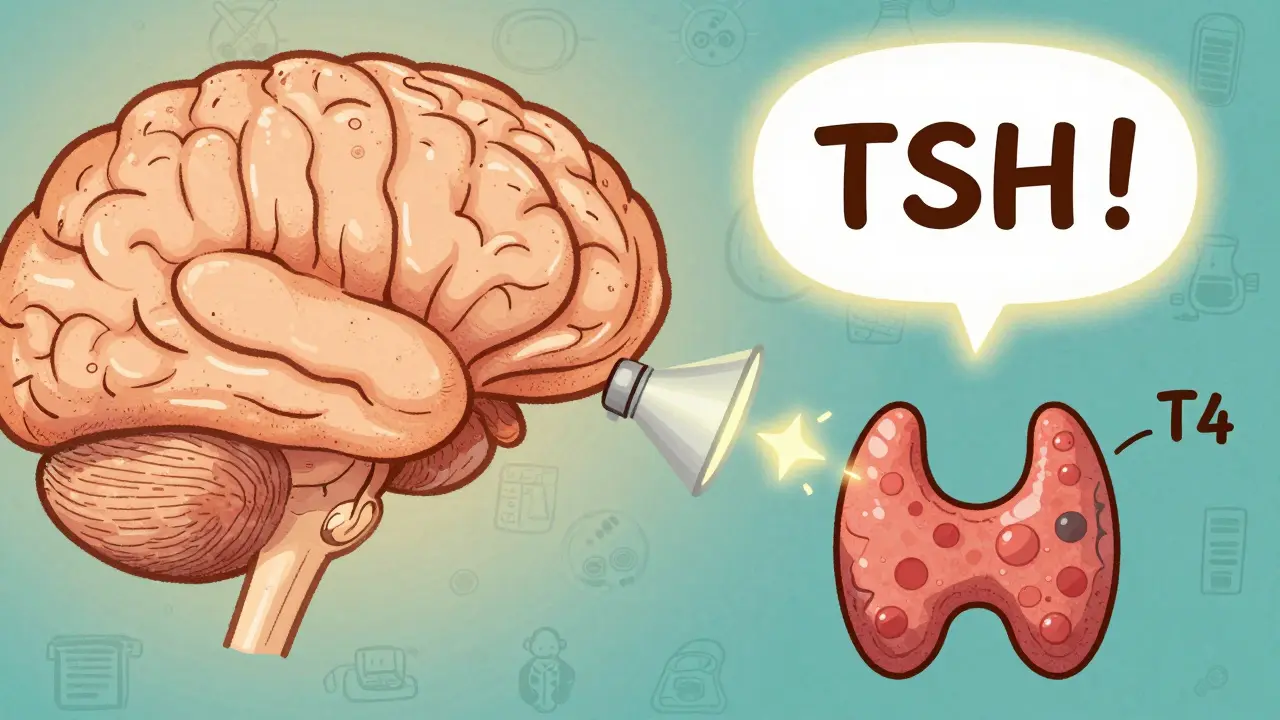
TSH and free T4 are the two key tests for thyroid function. Learn how they work together to diagnose hypothyroidism and hyperthyroidism, why relying on TSH alone can miss problems, and how dosing levothyroxine is tailored to age, pregnancy, and symptoms.
Read More
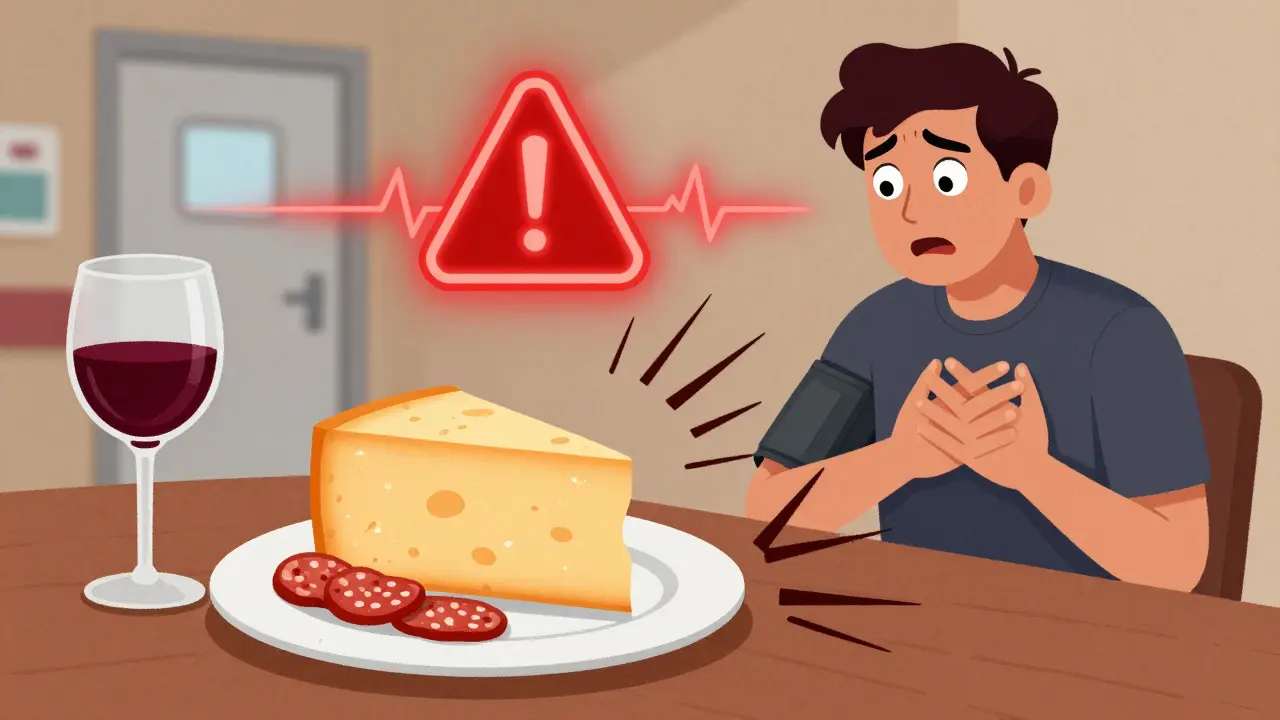
Aged cheeses and processed meats contain tyramine, which can trigger life-threatening blood pressure spikes in people taking MAOI antidepressants. Learn which foods are dangerous, how to avoid them, and what to do if you accidentally eat one.
Read More
Combo generics often cost far more than buying the same drugs as separate generics. Learn how much you could save by switching - and when combos are actually worth the price.
Read More
Triptans are effective for migraines but come with serious interactions and limitations. Learn when they work, when they don’t, and what to avoid-especially if you’re on antidepressants or have heart risks.
Read More
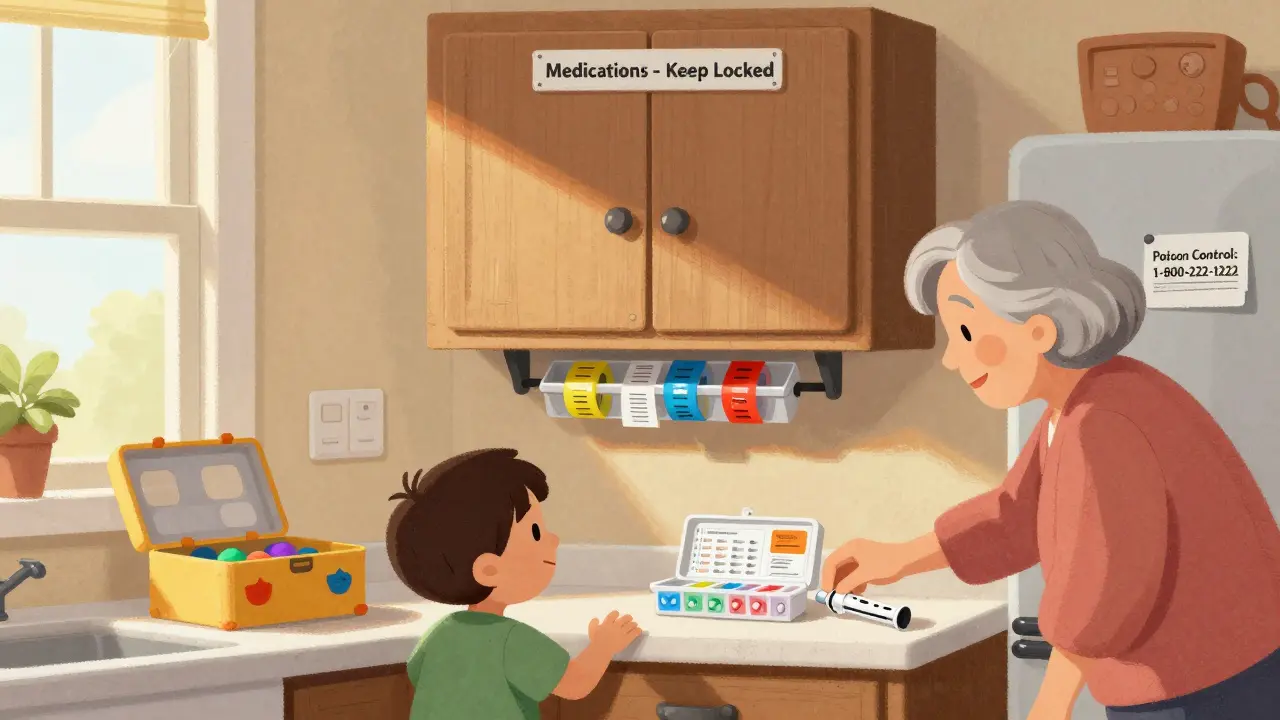
Learn how to create a safe medication routine at home to prevent accidental poisonings and dosing errors. Simple steps like locking up meds, using pill organizers, and keeping a master list can protect your whole family.
Read More
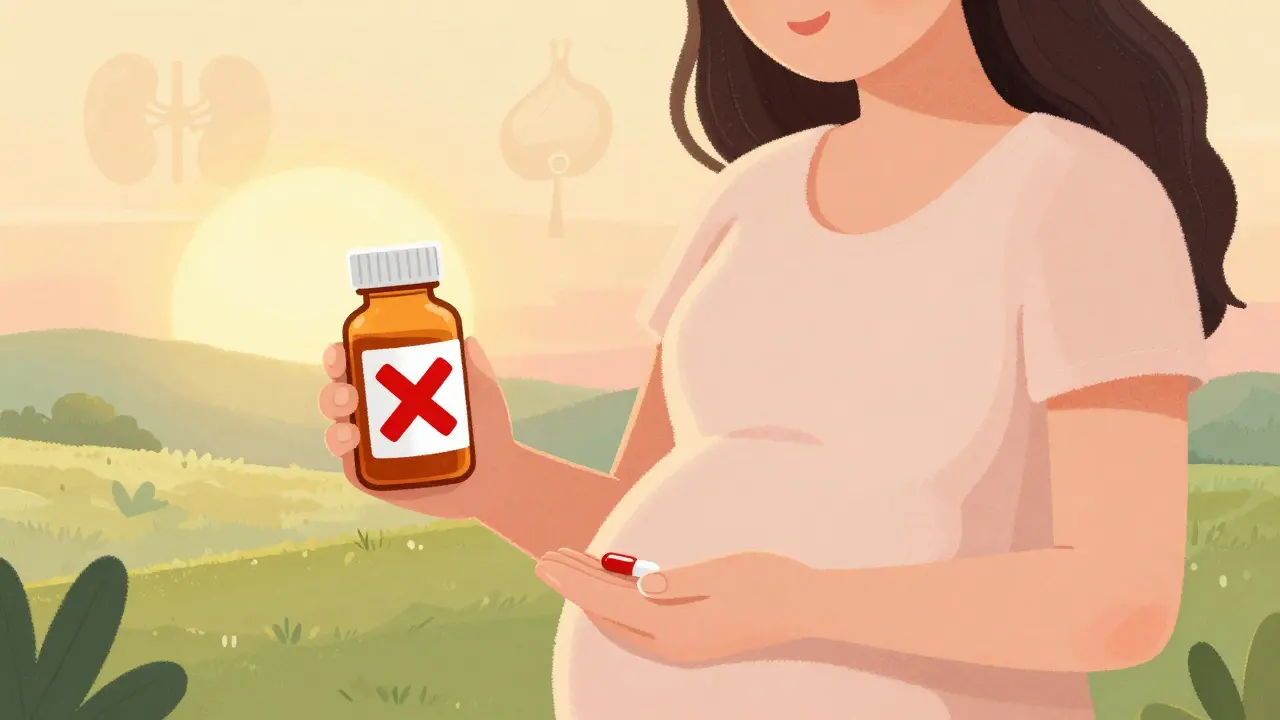
Learn which medications to avoid during pregnancy and what safe alternatives exist for pain, allergies, depression, and more. Updated with 2025 FDA guidance on acetaminophen and NSAIDs.
Read More
Long-term safety studies show mixed results when comparing generic and brand-name drugs. While most generics are safe, real-world data reveals important differences in outcomes-especially for critical medications and those made overseas.
Read More
Drug safety signals reveal hidden risks that clinical trials miss. Learn how real-world data, statistical tools, and regulatory systems uncover dangerous side effects after a drug is approved.
Read More
The FDA ensures generic drug safety through strict manufacturing oversight, bioequivalence testing, global inspections, and post-market surveillance. Learn how every generic pill meets the same standards as brand-name drugs.
Read More
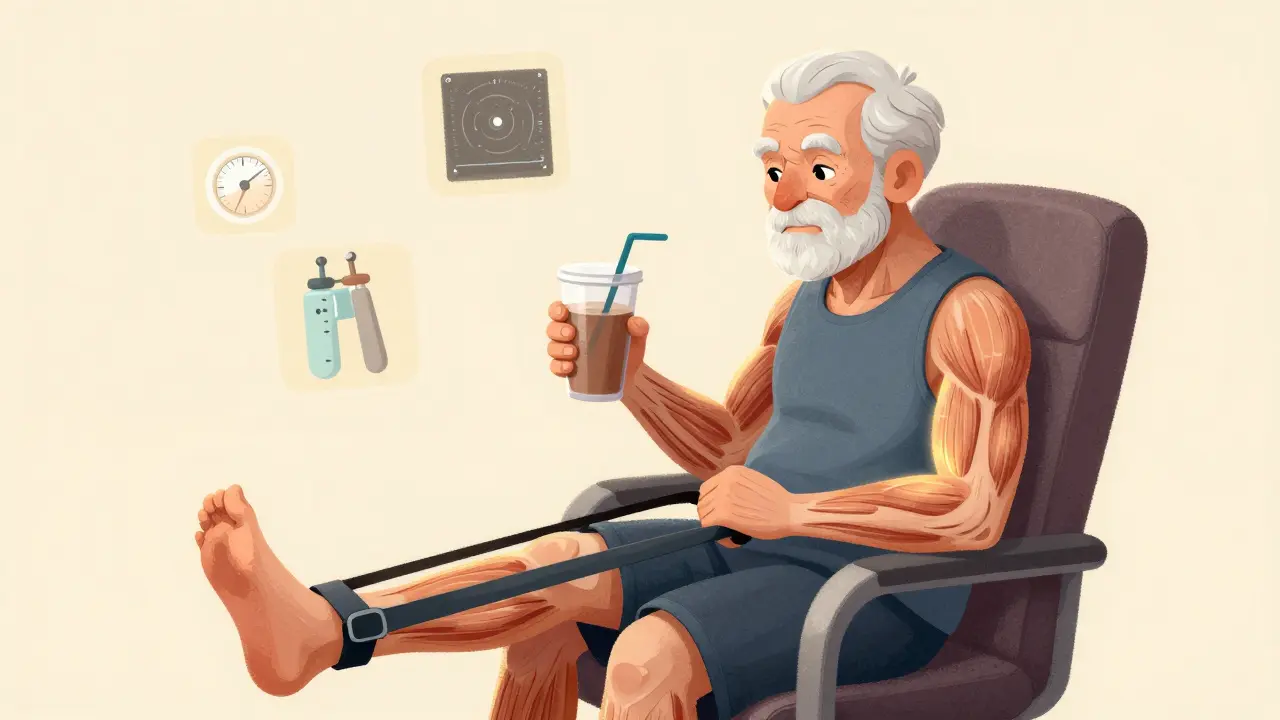
Sarcopenia worsens COPD outcomes by reducing strength and mobility. Learn how targeted nutrition (1.2-1.5g protein/kg/day) and low-intensity resistance training can improve muscle mass, walking ability, and survival rates.
Read More