Author: Lila Kensington
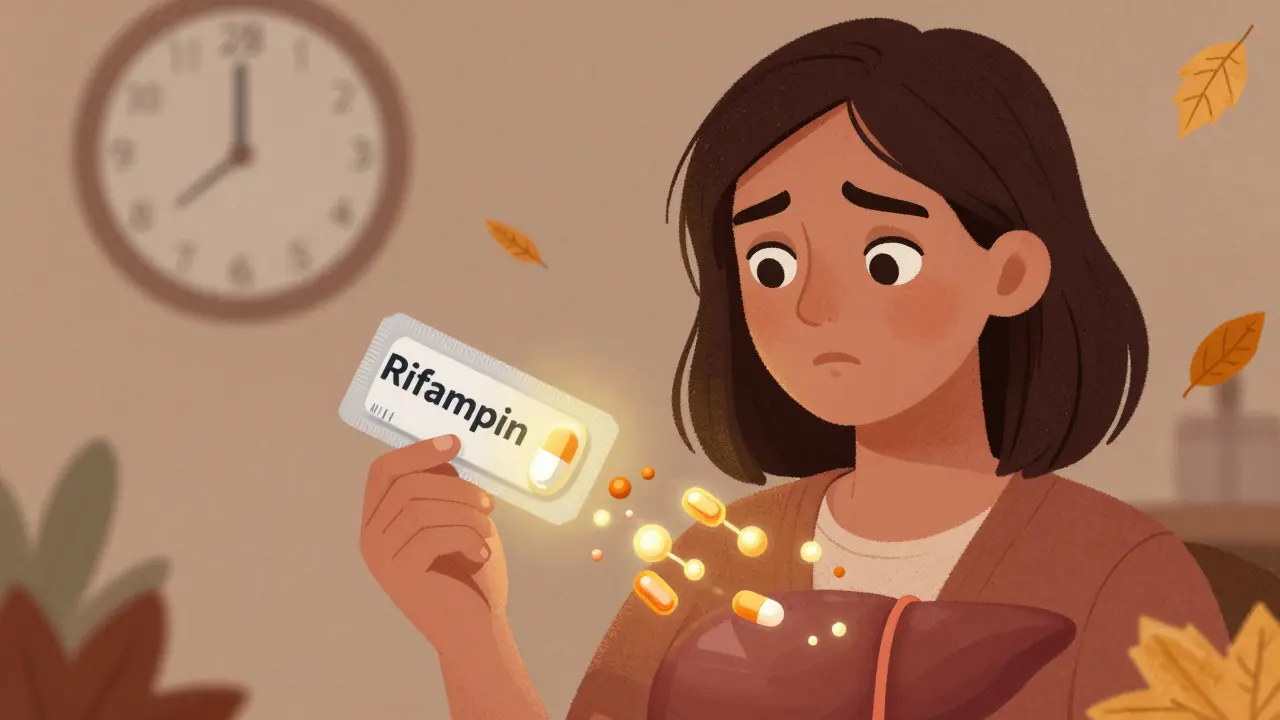
Rifampin can cause oral contraceptives to fail by speeding up hormone breakdown in the liver. This is the only antibiotic with proven links to unintended pregnancy. Learn what to do - and what not to do - if you're on both.
Read More
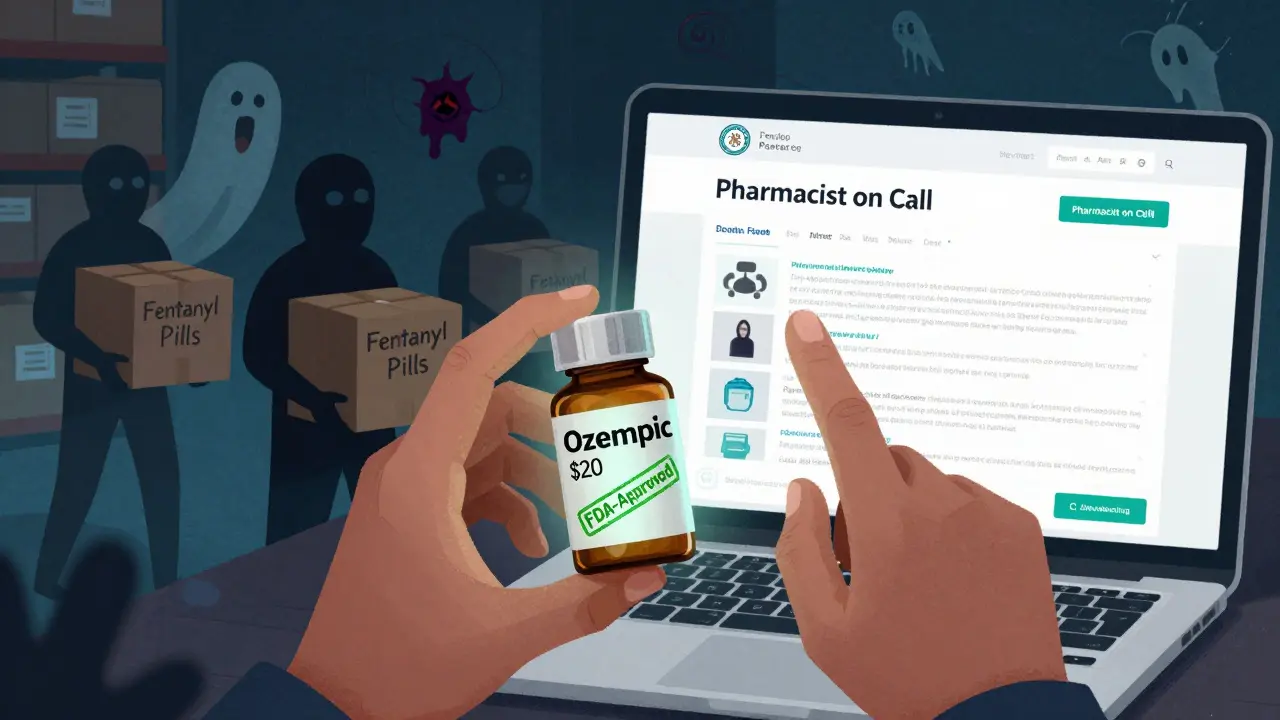
Buying medicines online without a prescription is dangerous. Counterfeit drugs often contain fentanyl, toxic chemicals, or no active ingredient at all. Learn how to spot fake pharmacies and protect your health.
Read More
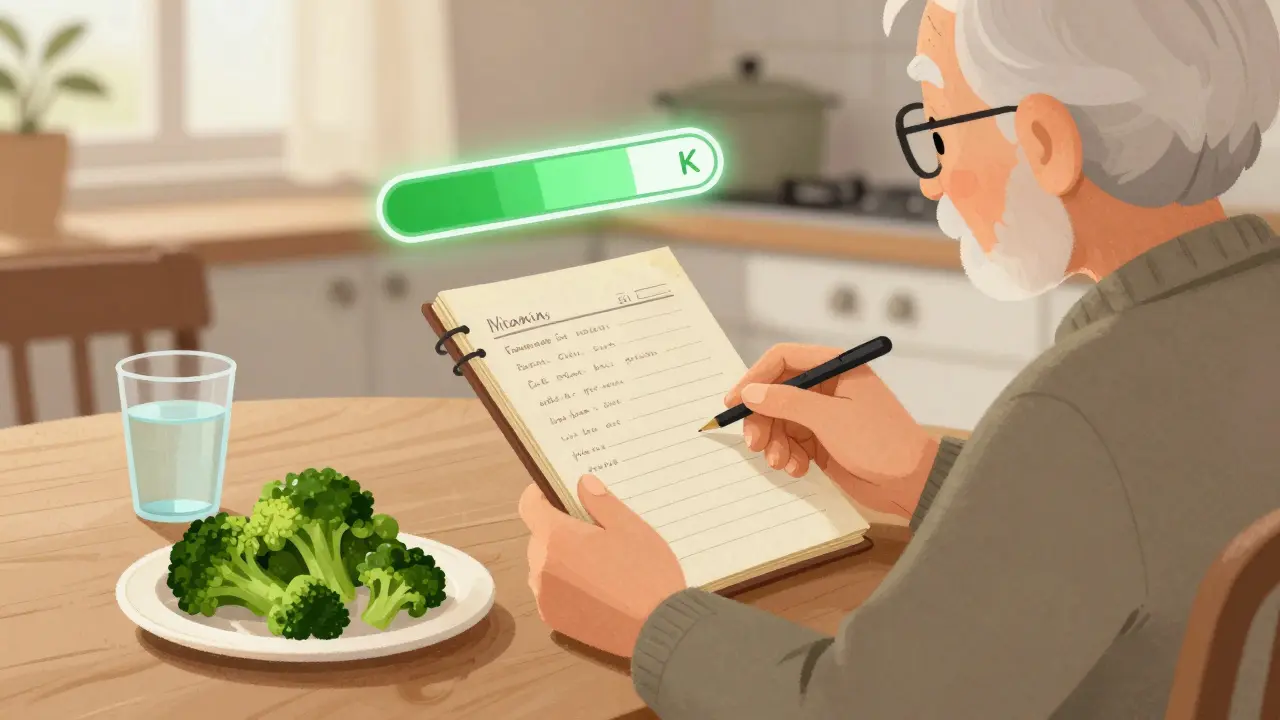
Tracking vitamin K intake with a food diary helps warfarin patients maintain stable INR levels, reducing the risk of dangerous clots or bleeding. Consistency in diet matters more than avoiding greens entirely.
Read More
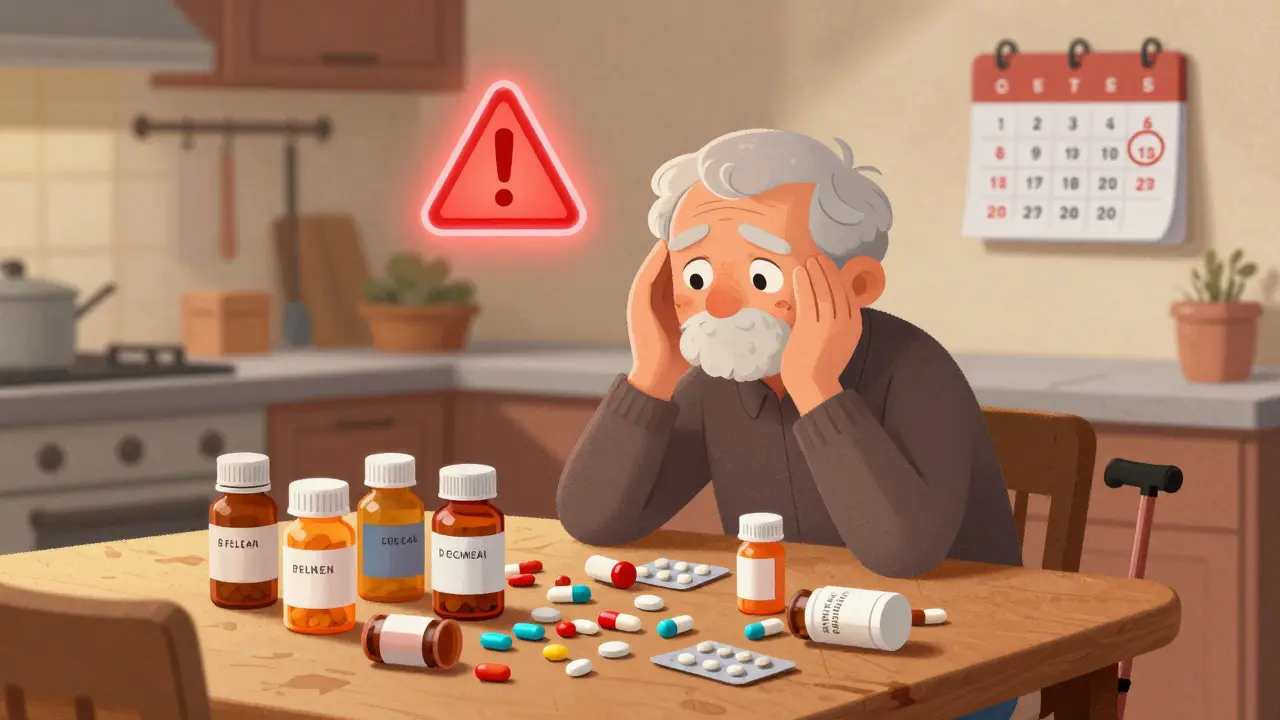
Elderly patients are far more sensitive to medication side effects due to age-related changes in how the body processes drugs. Understanding these risks can prevent dangerous falls, confusion, and hospitalizations.
Read More
The FDA issues warning letters to manufacturers who violate safety and labeling rules. These letters trigger investigations, fines, product seizures, or criminal charges. Learn how the agency enforces compliance and what companies must do to avoid severe consequences.
Read More
Grapefruit can dangerously increase levels of certain blood pressure medications like felodipine and amlodipine, leading to low blood pressure, dizziness, and even hospitalization. Learn which citrus fruits to avoid and what safer alternatives exist.
Read More
Clinical studies show that while most generic drugs are as safe and effective as brand-name versions, certain medications - especially those with narrow therapeutic indices - can pose risks when switched. Patients on antiepileptics, heart drugs, and thyroid meds should be cautious and monitor for changes.
Read More
Learn how pharmacy systems accurately distinguish between generic and brand drugs using NDC codes, TE classifications, and FDA guidelines. Best practices for safe, compliant, and cost-effective drug dispensing.
Read More
Prescribers have varying concerns about substituting generic versions of Narrow Therapeutic Index (NTI) drugs due to risks of adverse effects. Key factors include regulatory guidelines, specialty-specific practices, and communication between pharmacists and doctors. Real-world data shows substitution impacts on patient monitoring and costs. Current trends point to evolving policies and increased reliance on clinical evidence.
Read More
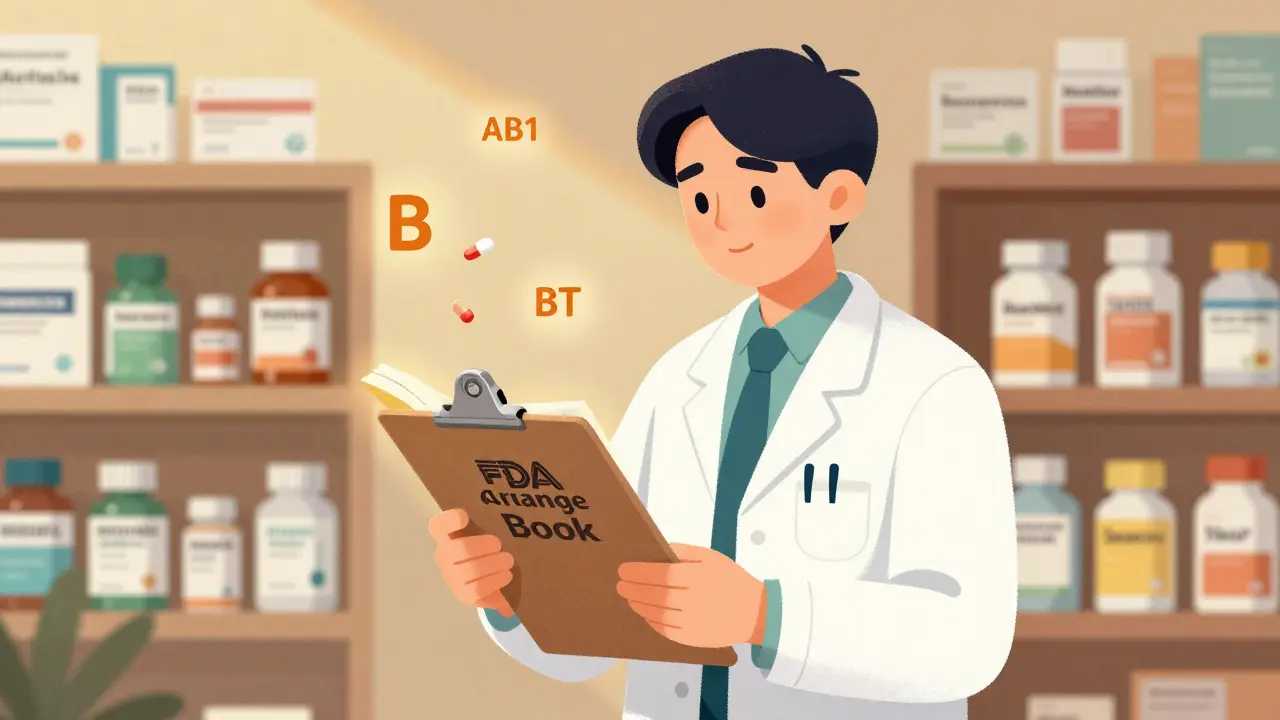
The FDA's therapeutic equivalence codes tell pharmacists which generic drugs can be safely swapped for brand-name medications. Learn how A and B ratings work, why they matter, and how they save billions each year.
Read More