Category: Medications - Page 3
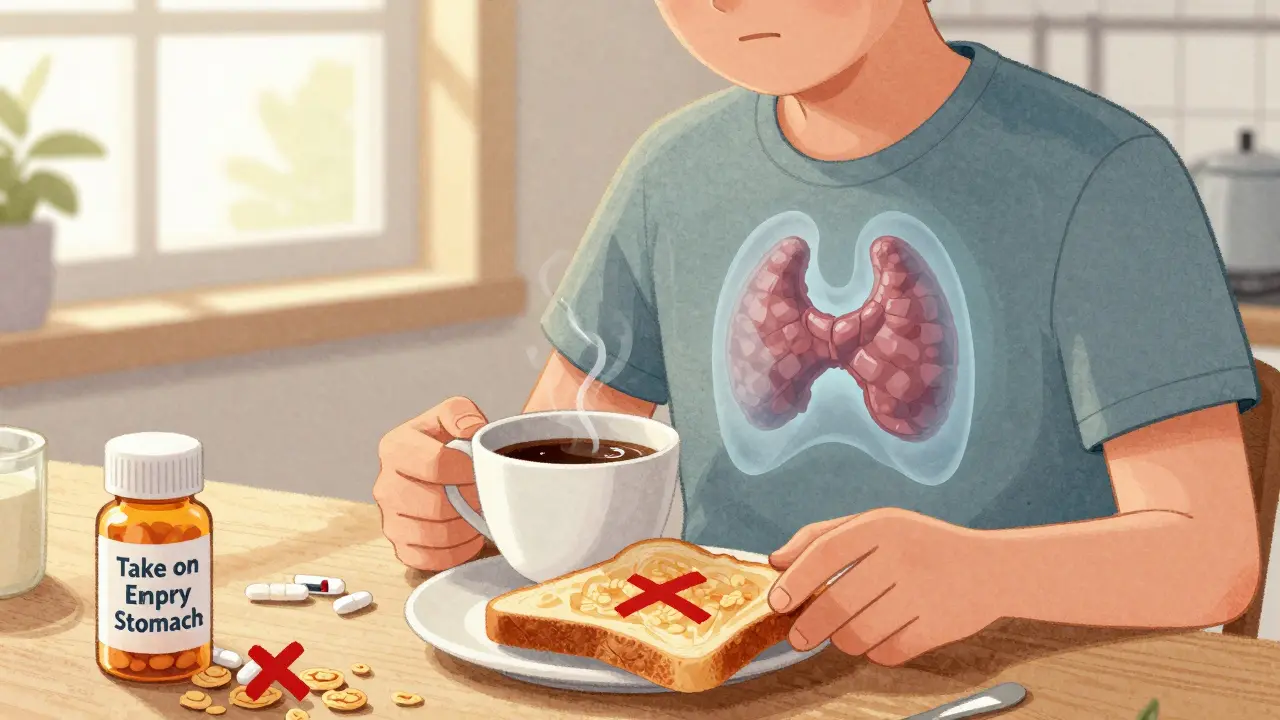
Learn how food affects your medication absorption, when to take pills with or without meals, and why timing matters for effectiveness and safety. Avoid common mistakes that reduce drug efficacy.
Read More
Bioequivalent medications are generic drugs proven to work the same as brand-name versions in your body. Learn how the FDA tests them, why they’re safe for most people, and when to watch for differences.
Read More
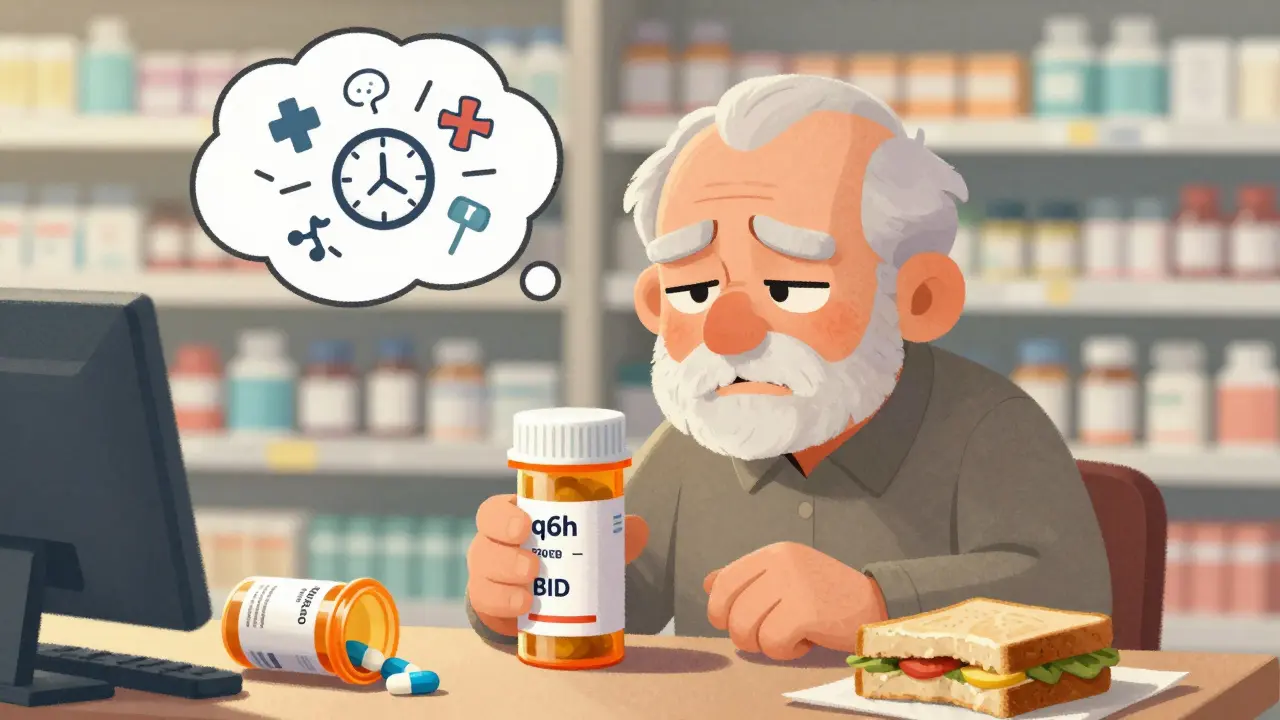
Prescription labels often confuse patients with medical jargon and unclear instructions, leading to dangerous medication errors. Learn the most common misunderstandings and how to avoid them with simple, practical steps.
Read More
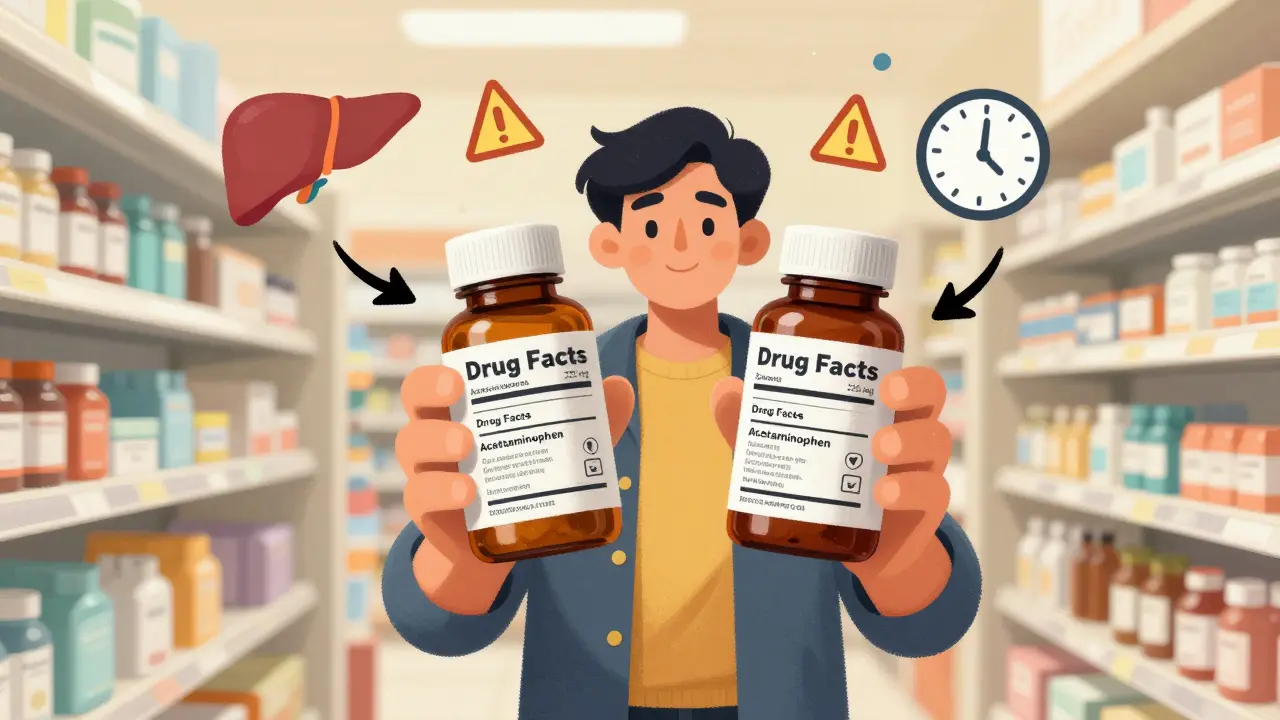
Learn how to read OTC drug labels to avoid dangerous mistakes. Know what active ingredients like acetaminophen and ibuprofen really mean-and why checking them can save your health.
Read More
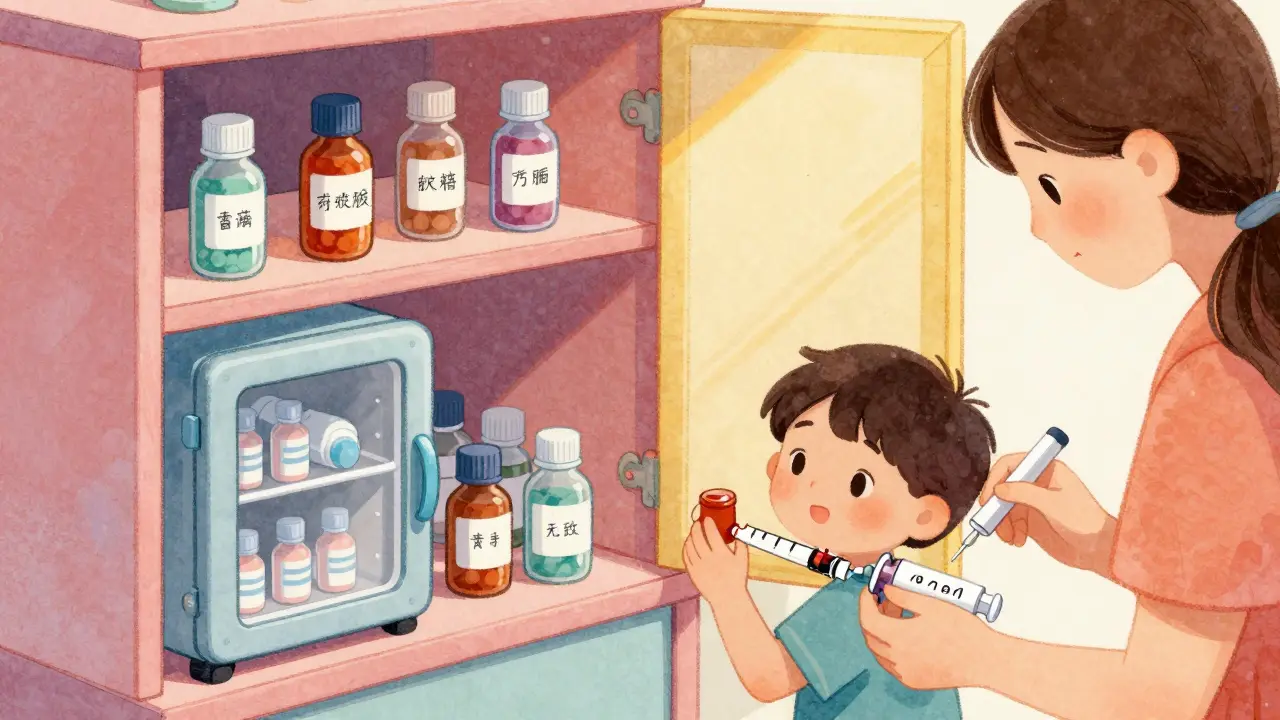
Learn how to store liquid antibiotics and reconstituted suspensions correctly to ensure they remain effective. Discover temperature rules, shelf life, what happens when they're stored wrong, and how to dispose of leftovers safely.
Read More
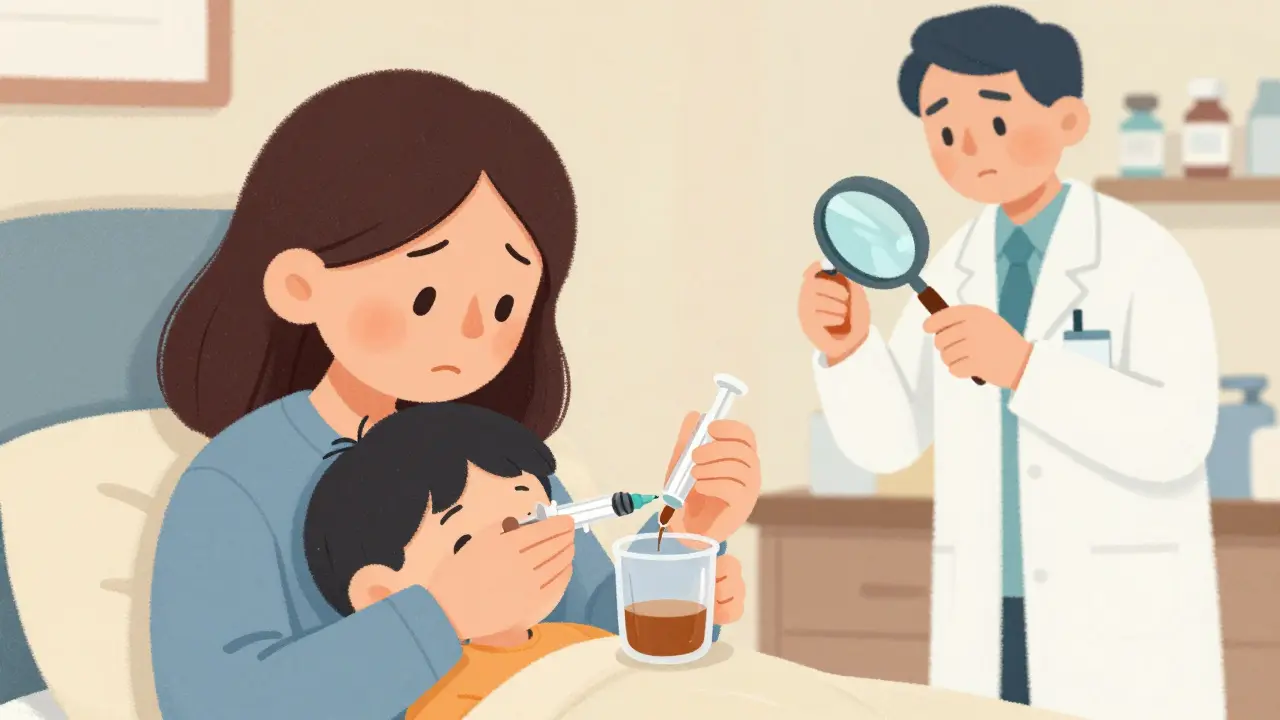
Compounded medications for children can be lifesaving-but also dangerous. Learn how to verify safety, avoid dosing errors, and know when to choose FDA-approved alternatives instead.
Read More
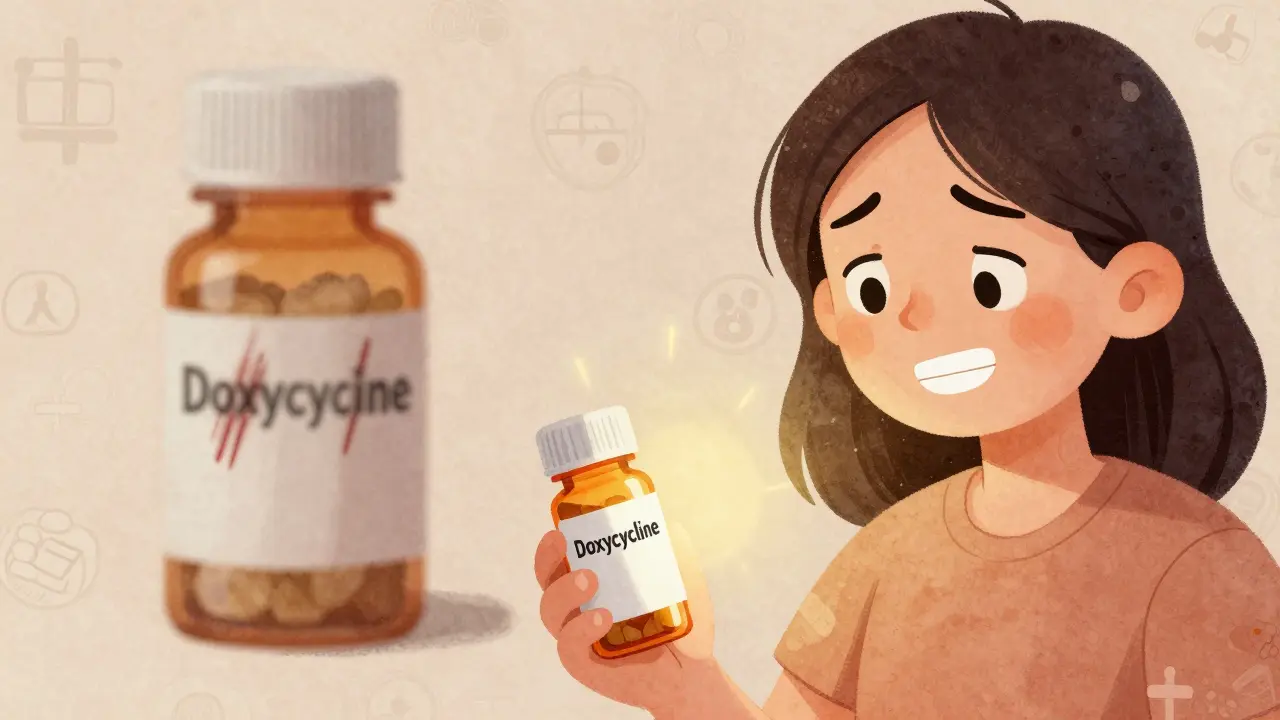
Doxycycline is now safe for children under 8 for short-term use in serious infections like RMSF, with no evidence of tooth staining. Older tetracyclines remain dangerous. Know the difference.
Read More
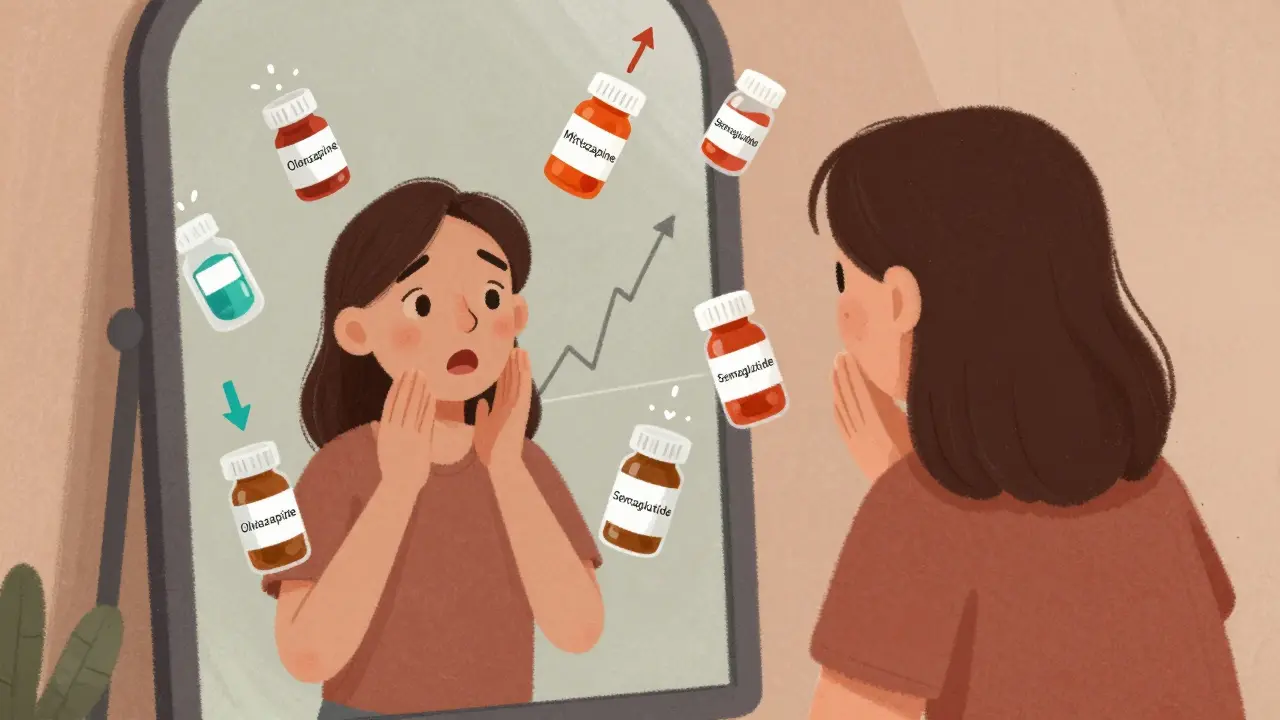
Learn how common medications can cause unexpected weight gain or loss, why it happens, and what you can do to manage it. Real data, real stories, and actionable steps for patients and caregivers.
Read More
Learn how to safely dose children's OTC medications using weight instead of age. Understand acetaminophen and ibuprofen labels, avoid common dosing mistakes, and use the right measuring tools to prevent accidental overdose.
Read More
More generic drug manufacturers mean lower prices. When multiple companies make the same generic, competition drives costs down-sometimes by over 70%. Learn how this works, why some drugs still cost too much, and what you can do to save money.
Read More