
Pharmaceutical Equivalence for Generics: A Practical Guide
Learn what pharmaceutical equivalence actually means for generic drugs, how the FDA ensures safety via the Orange Book, and why some generics look different but work the same.
Read More
Learn what pharmaceutical equivalence actually means for generic drugs, how the FDA ensures safety via the Orange Book, and why some generics look different but work the same.
Read More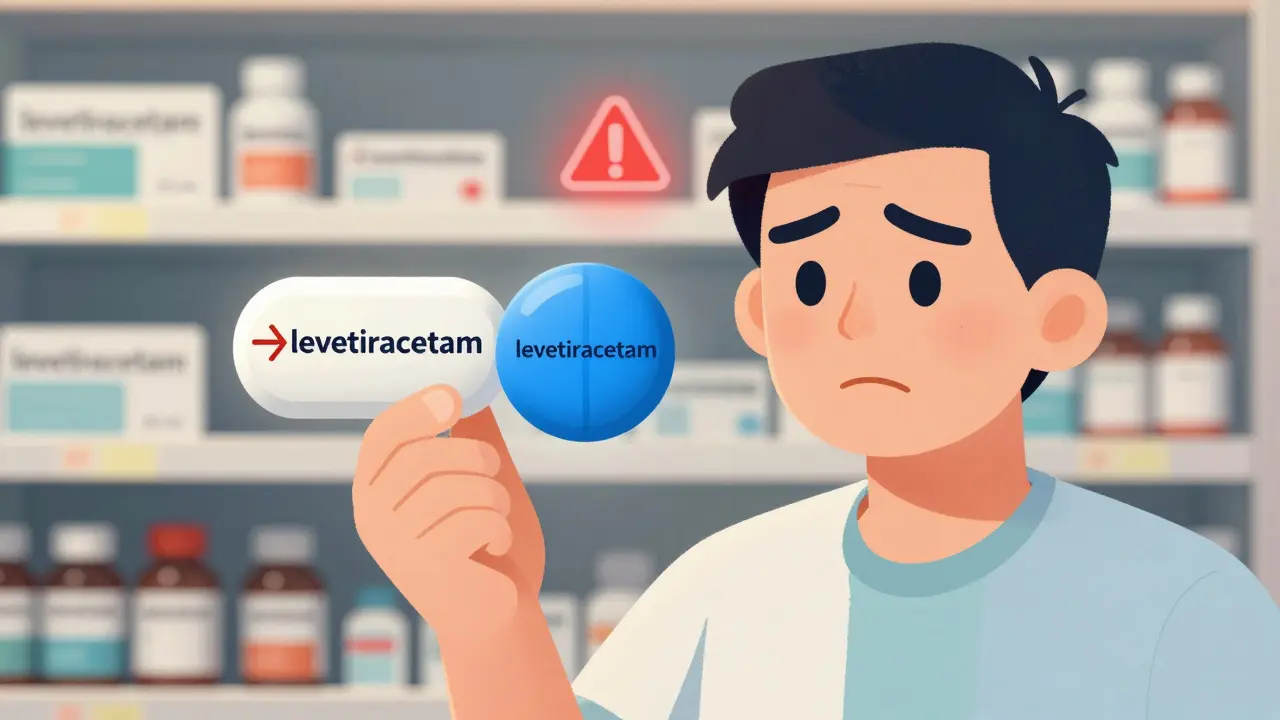
Clinical studies show that while most generic drugs are as safe and effective as brand-name versions, certain medications - especially those with narrow therapeutic indices - can pose risks when switched. Patients on antiepileptics, heart drugs, and thyroid meds should be cautious and monitor for changes.
Read More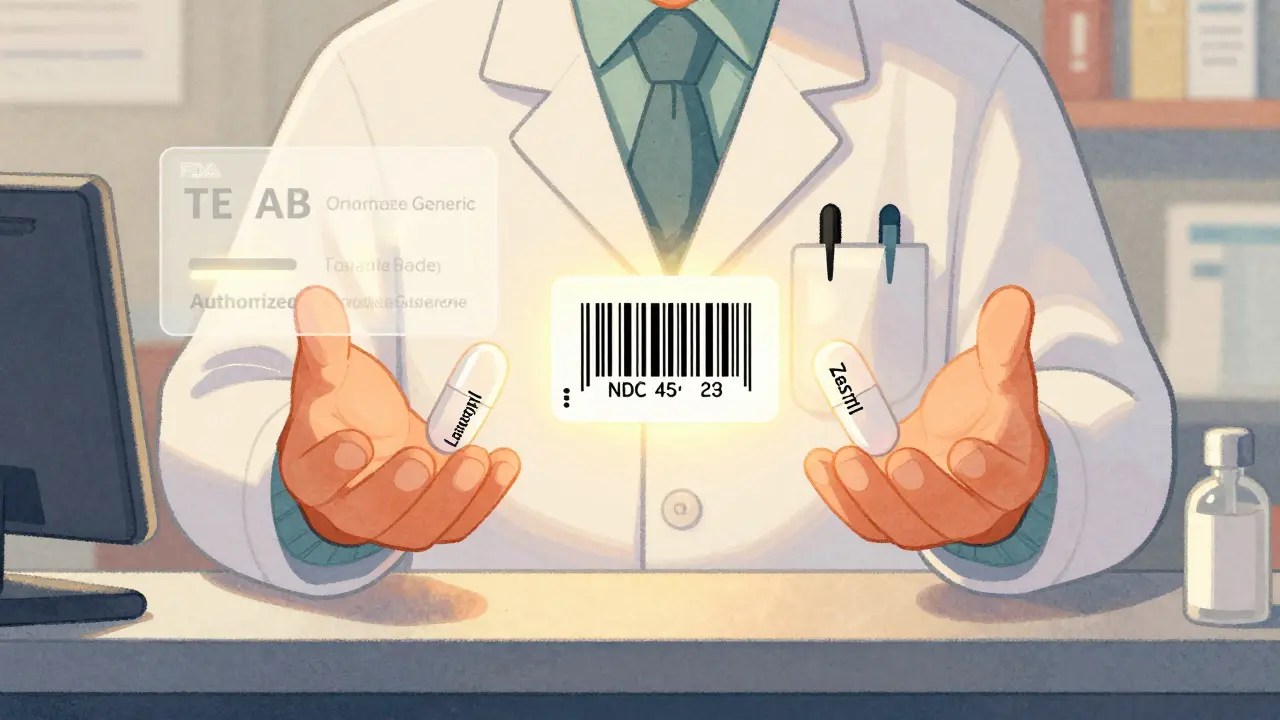
Learn how pharmacy systems accurately distinguish between generic and brand drugs using NDC codes, TE classifications, and FDA guidelines. Best practices for safe, compliant, and cost-effective drug dispensing.
Read More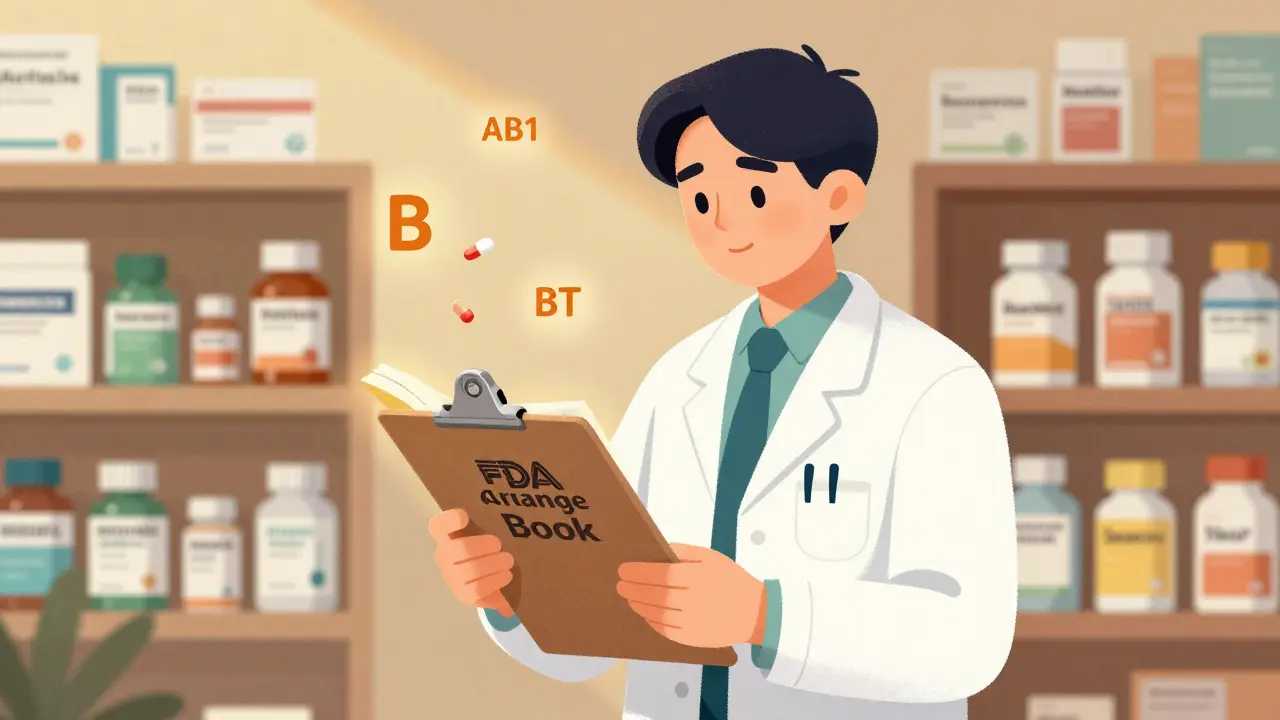
The FDA's therapeutic equivalence codes tell pharmacists which generic drugs can be safely swapped for brand-name medications. Learn how A and B ratings work, why they matter, and how they save billions each year.
Read More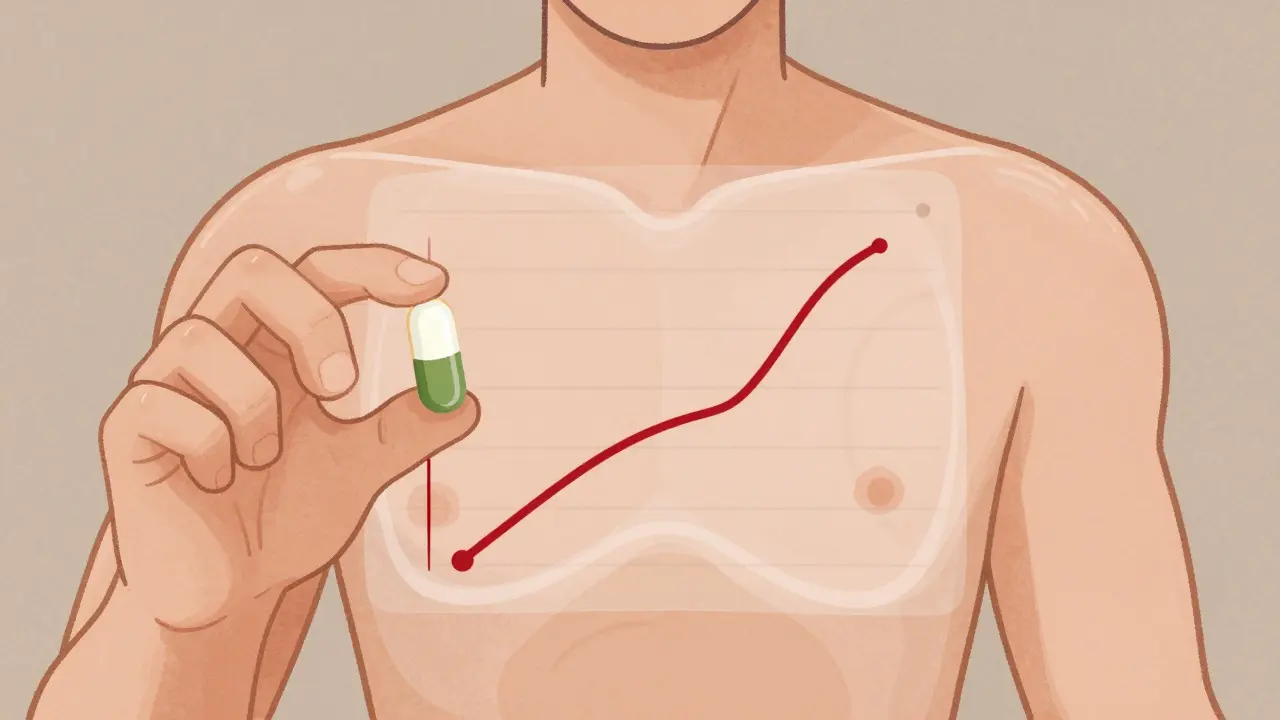
Bioequivalent medications are generic drugs proven to work the same as brand-name versions in your body. Learn how the FDA tests them, why they’re safe for most people, and when to watch for differences.
Read More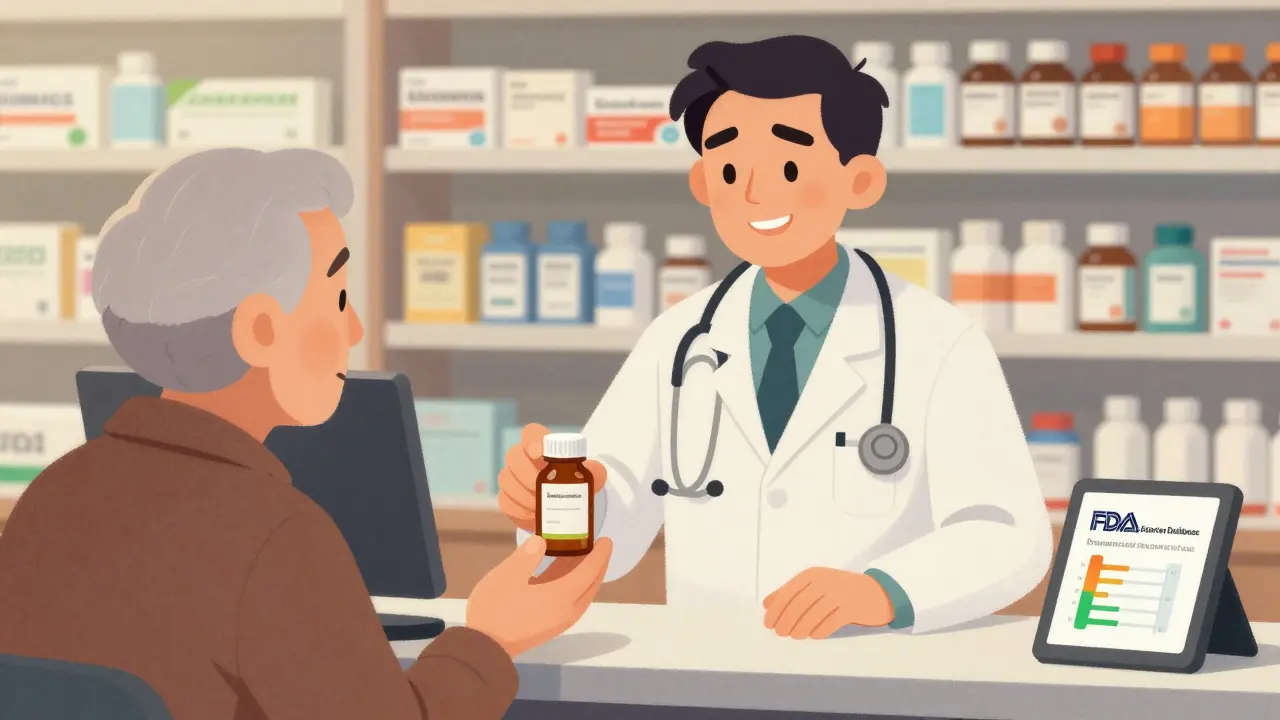
Pharmacists face patient skepticism, physician uncertainty, and regulatory confusion when substituting brand-name drugs with generics. Learn the real concerns behind the counter and why trust matters more than cost.
Read More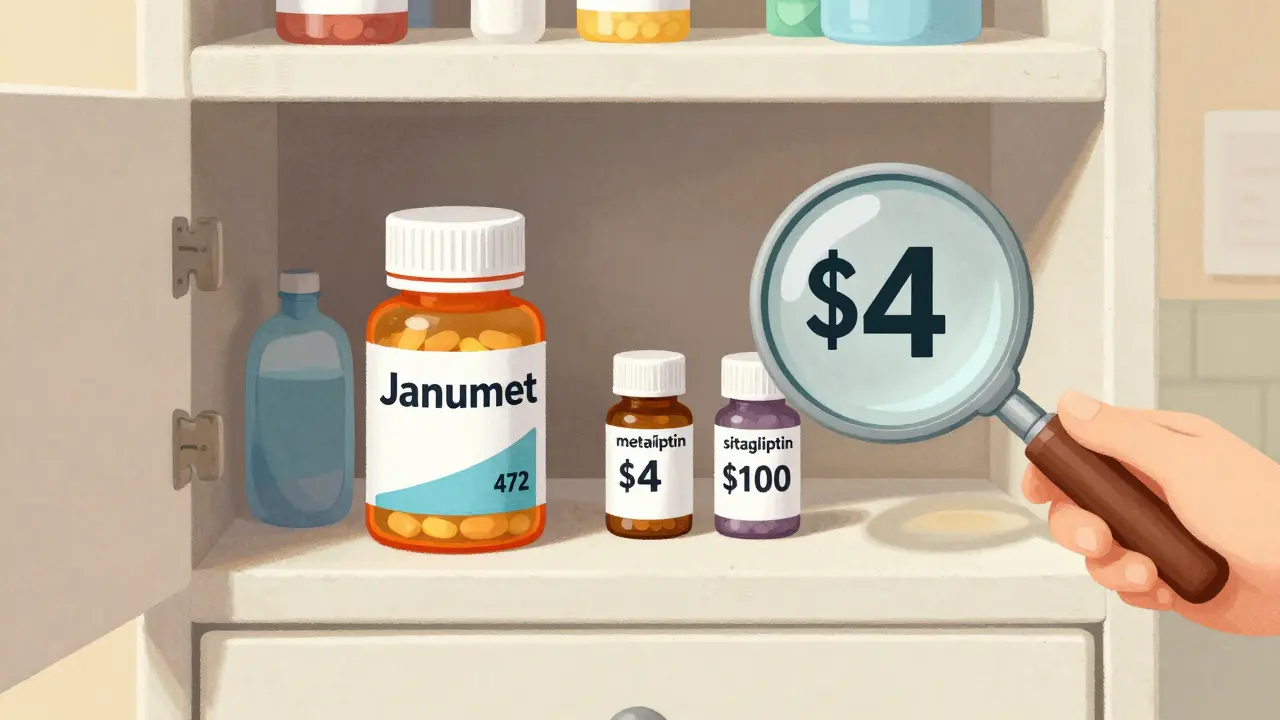
Combo generics often cost far more than buying the same drugs as separate generics. Learn how much you could save by switching - and when combos are actually worth the price.
Read More
Long-term safety studies show mixed results when comparing generic and brand-name drugs. While most generics are safe, real-world data reveals important differences in outcomes-especially for critical medications and those made overseas.
Read More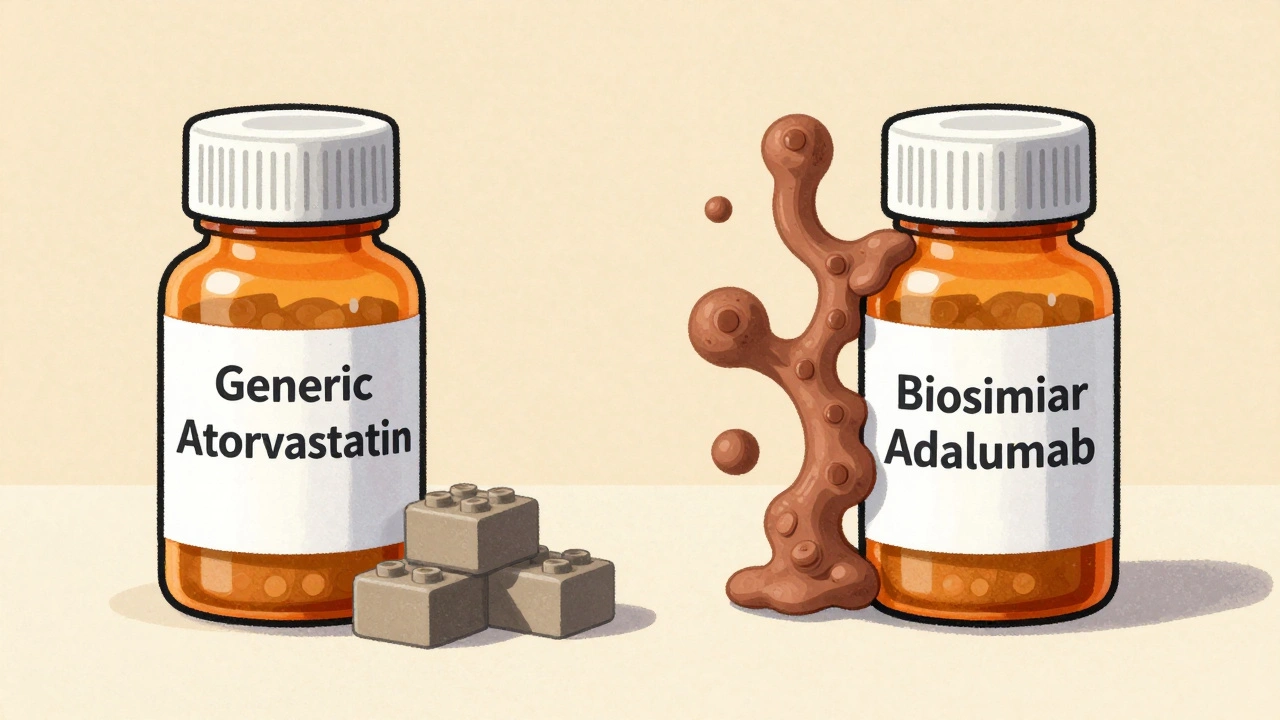
Biosimilars and generics both lower drug costs, but they're not the same. Learn how they differ in science, safety, and savings so you can make the right treatment choice.
Read More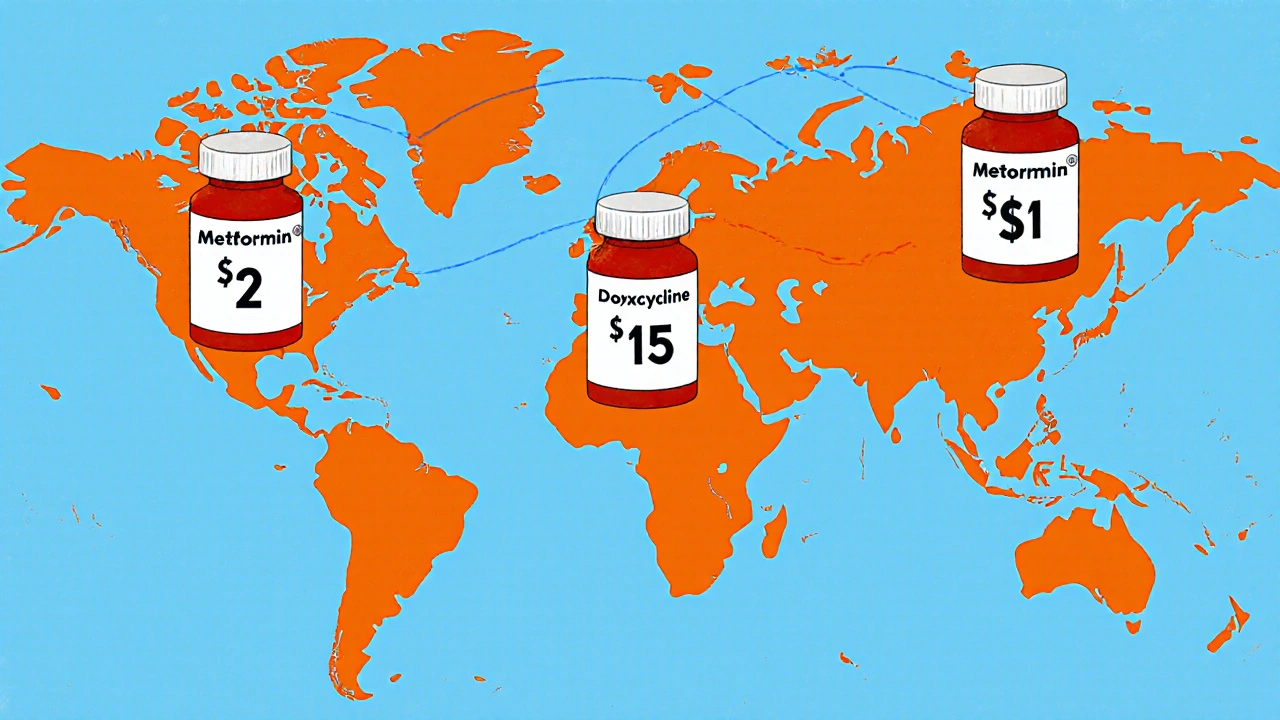
Generic drugs save money, but their availability and price vary wildly around the world. Why do the same pills cost 10x more in some countries? Here’s how policy, manufacturing, and culture shape global access.
Read More