Category: Health and Medicine - Page 2
Explore the difference between rate and rhythm control for Atrial Fibrillation. Learn how these strategies impact heart health and the critical role of stroke prevention.
Read More
Discover how long-term opioid use lowers testosterone, leading to fatigue and low libido. Learn about symptoms, diagnosis criteria, and treatment options including TRT.
Read More
Prolactinomas are the most common type of pituitary tumor, causing hormone imbalances that affect fertility, sex drive, and vision. Learn how they're diagnosed, treated with medication like cabergoline, and when surgery or radiation may be needed.
Read More
Asthma and COPD both cause breathing trouble, but they’re different diseases with different causes, symptoms, and treatments. Learn how to tell them apart and what each means for your long-term health.
Read More
Bile acid diarrhea is a common but often missed cause of chronic diarrhea. Learn how to get diagnosed, which binders work best, and simple diet changes that can stop symptoms fast.
Read More
Mixing sedatives like opioids, benzodiazepines, or alcohol can cause life-threatening CNS depression. Learn the real risks, who's most vulnerable, and what to do to stay safe.
Read More
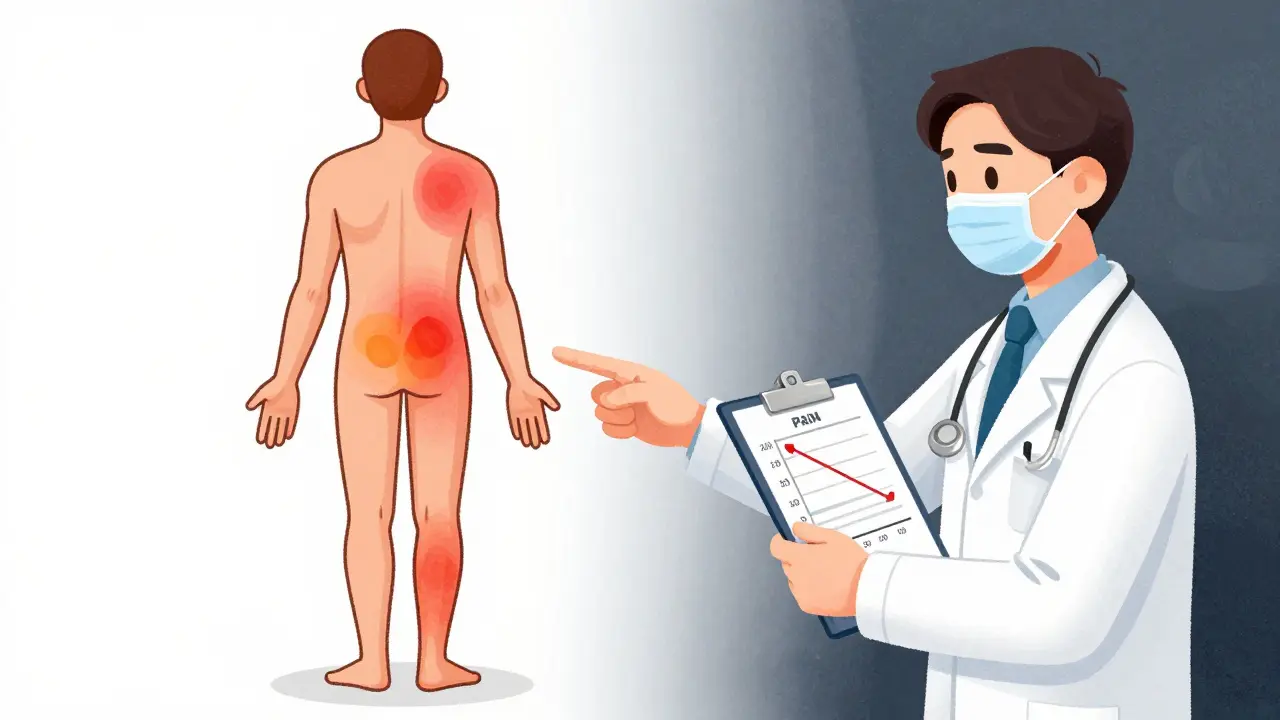
Learn how to spot opioid-induced hyperalgesia - when pain gets worse from opioids - versus tolerance. Key signs include spreading pain, allodynia, and worsening symptoms with higher doses.
Read More
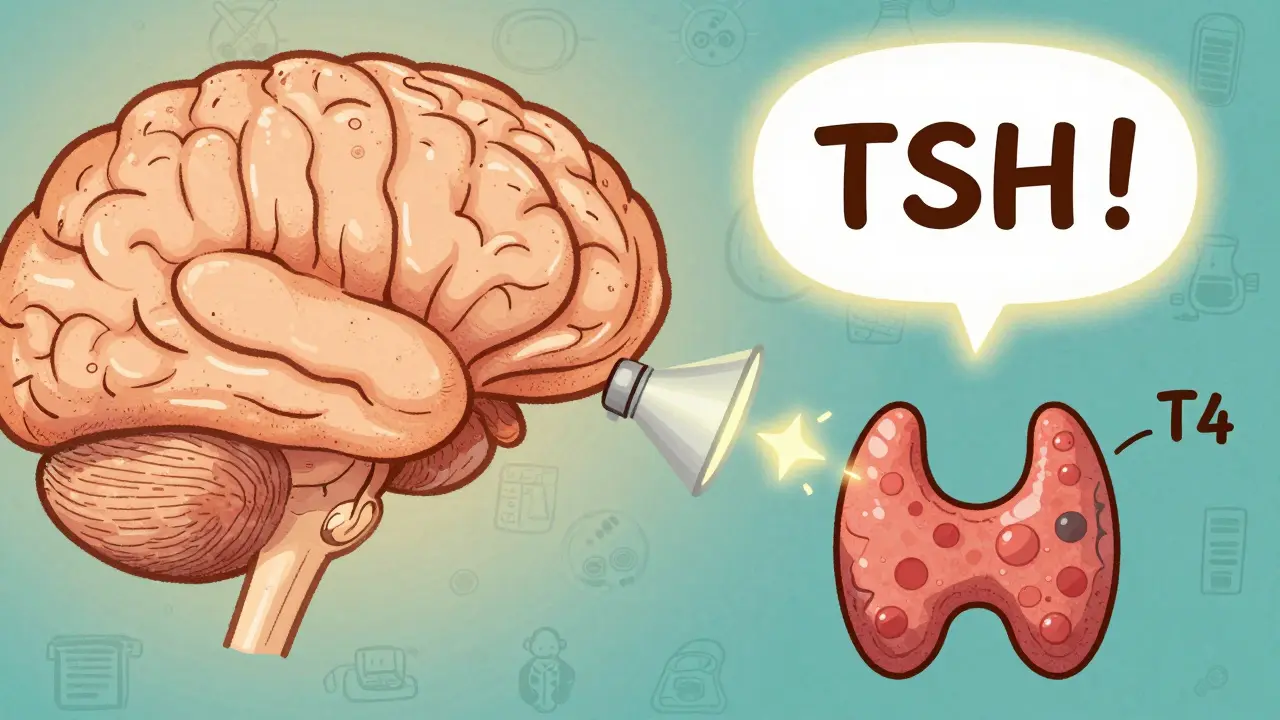
TSH and free T4 are the two key tests for thyroid function. Learn how they work together to diagnose hypothyroidism and hyperthyroidism, why relying on TSH alone can miss problems, and how dosing levothyroxine is tailored to age, pregnancy, and symptoms.
Read More
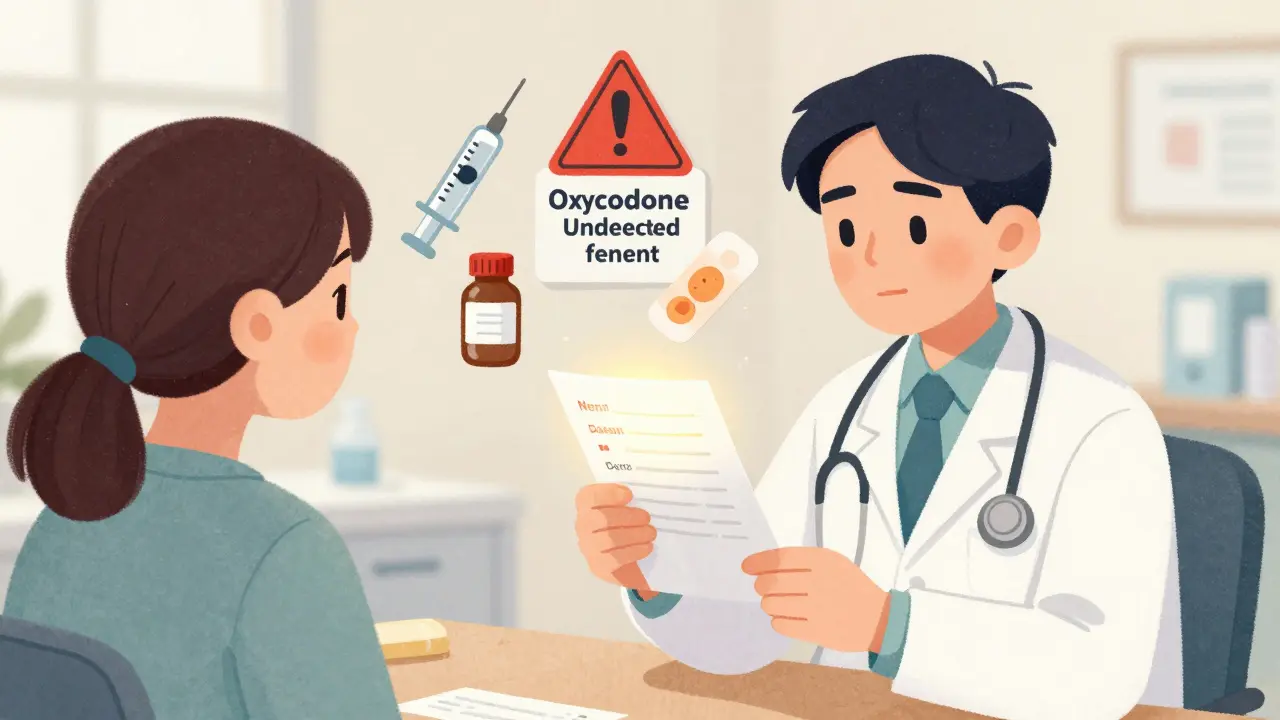
Urine drug screens and risk stratification help doctors monitor opioid treatment safely. But false negatives and outdated tests can mislead. Learn how to ensure accurate results and avoid unnecessary penalties.
Read More
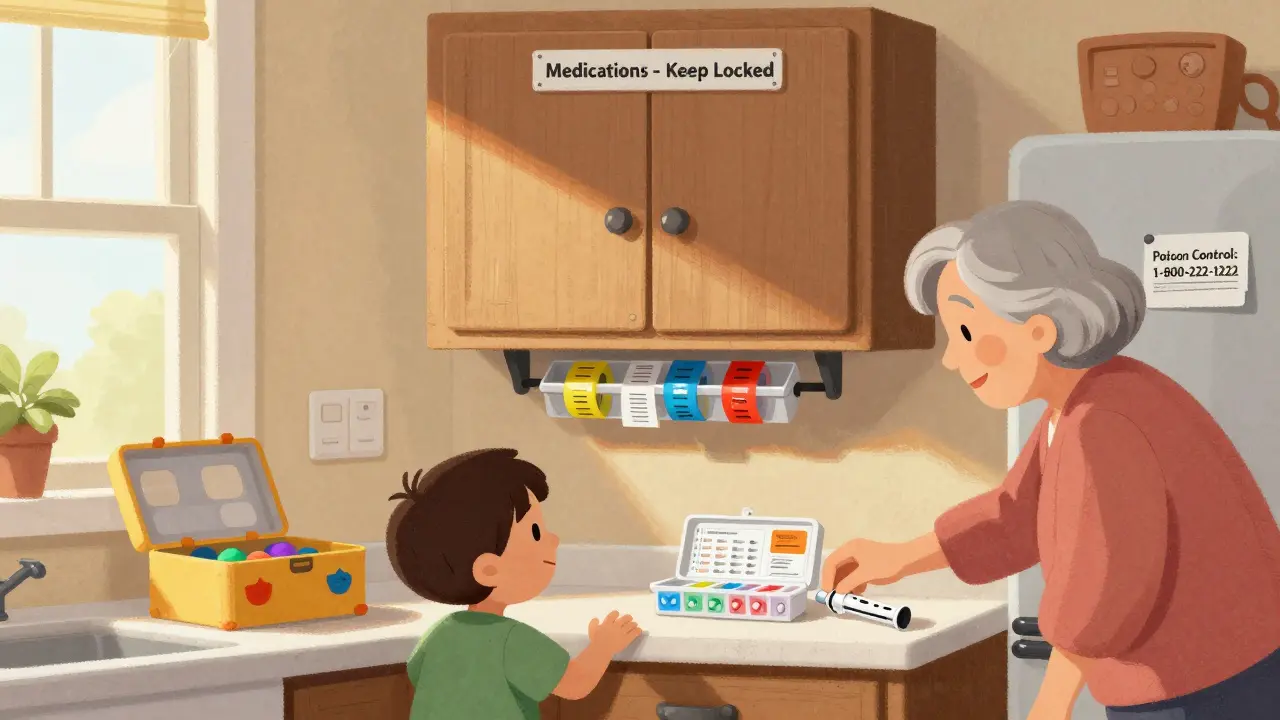
Learn how to create a safe medication routine at home to prevent accidental poisonings and dosing errors. Simple steps like locking up meds, using pill organizers, and keeping a master list can protect your whole family.
Read More