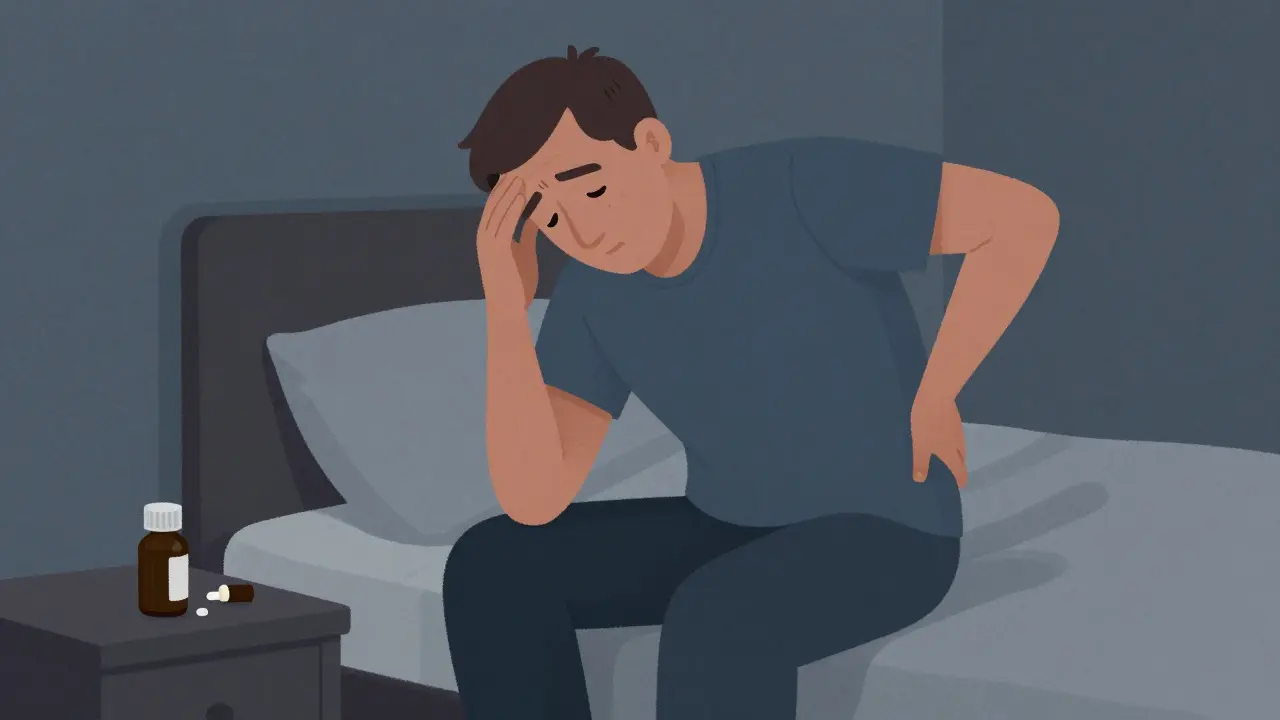
Opioids and Low Testosterone: Symptoms, Causes, and Treatment Options
Discover how long-term opioid use lowers testosterone, leading to fatigue and low libido. Learn about symptoms, diagnosis criteria, and treatment options including TRT.
Read More
Welcome to the hub where everyday health questions get straight answers. Whether you’re curious about a prescription, worried about an eye condition, or need to verify an online pharmacy, we’ve gathered easy‑to‑read guides that cut through the jargon.
Our drug pages break down the why, how and what‑to‑watch for each medication. For example, the Zebeta article explains how bisoprolol lowers blood pressure, lists common side effects like fatigue, and gives handy tips for taking it with food. The Cipro guide covers when ciprofloxacin is prescribed, red‑flag reactions such as tendon pain, and practical dosing reminders. Similar quick‑reference pieces exist for Roxithromycin, Inderal, Zithromax IV, and Zovirax, each focusing on real‑world usage rather than textbook theory.
If you’ve noticed eye floaters and wonder about ocular hypertension, our in‑depth piece connects the dots, points out warning signs, and tells you which tests can rule out glaucoma. PTSD and chronic pain often travel together; the article outlines how they feed each other and shares simple steps you can discuss with a GP or therapist. For chronic lung issues, the oxygen therapy guide shows how supplemental oxygen eases breathlessness and improves daily function.
Safety isn’t just about pills. The “Buy Symbicort safely online” guide walks you through spotting legitimate pharmacies, checking accreditation seals, and avoiding payment scams. The same practical mindset applies to buying any medication online – you’ll know what red flags to watch for before you click ‘add to cart.’
All our content follows a human‑first approach: short paragraphs, plain language, and clear actions. We avoid medical mumbo‑jumbo so you can decide quickly if you need a doctor’s visit, a dosage tweak, or just reassurance.
Got a question about side effects? Want to know if a supplement interacts with your prescription? Each article ends with a concise FAQ that addresses the most common concerns – like whether you can take Inderal with a beta‑blocker or how long you should stay on oxygen therapy each day.
We keep the information fresh by referencing the latest guidelines and research, but we never overwhelm you with technical details. Think of this page as your personal health cheat‑sheet, ready to be bookmarked and revisited whenever a new symptom or prescription pops up.
Ready to explore? Click any title below to get the full guide, then use the practical tips to talk confidently with your healthcare provider. Knowledge is the first step toward better health, and we’re here to make that step easy.
Discover how long-term opioid use lowers testosterone, leading to fatigue and low libido. Learn about symptoms, diagnosis criteria, and treatment options including TRT.
Read More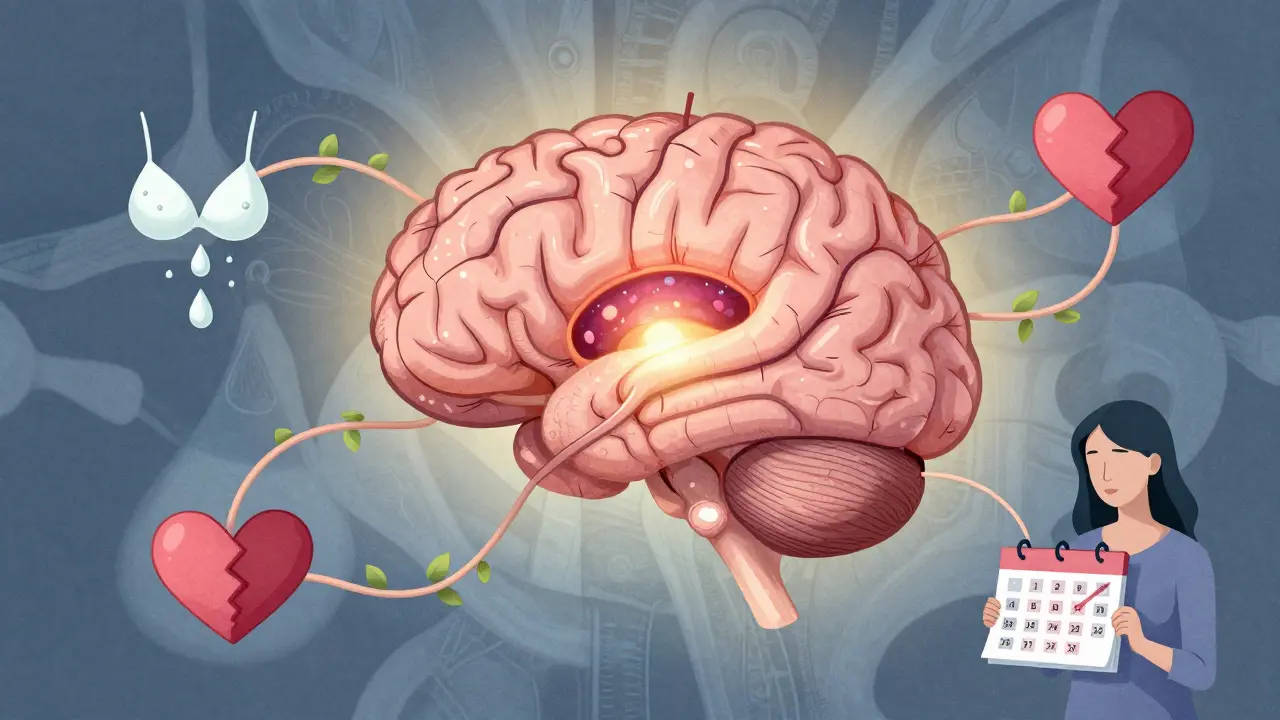
Prolactinomas are the most common type of pituitary tumor, causing hormone imbalances that affect fertility, sex drive, and vision. Learn how they're diagnosed, treated with medication like cabergoline, and when surgery or radiation may be needed.
Read More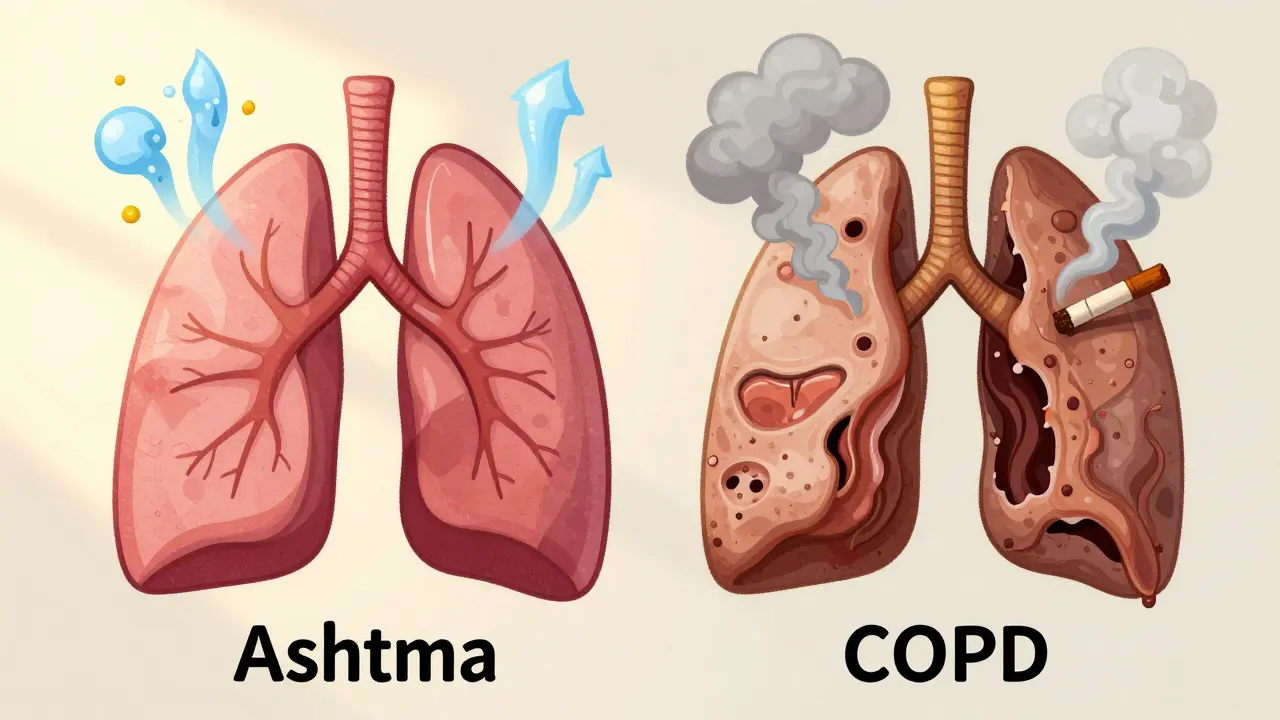
Asthma and COPD both cause breathing trouble, but they’re different diseases with different causes, symptoms, and treatments. Learn how to tell them apart and what each means for your long-term health.
Read More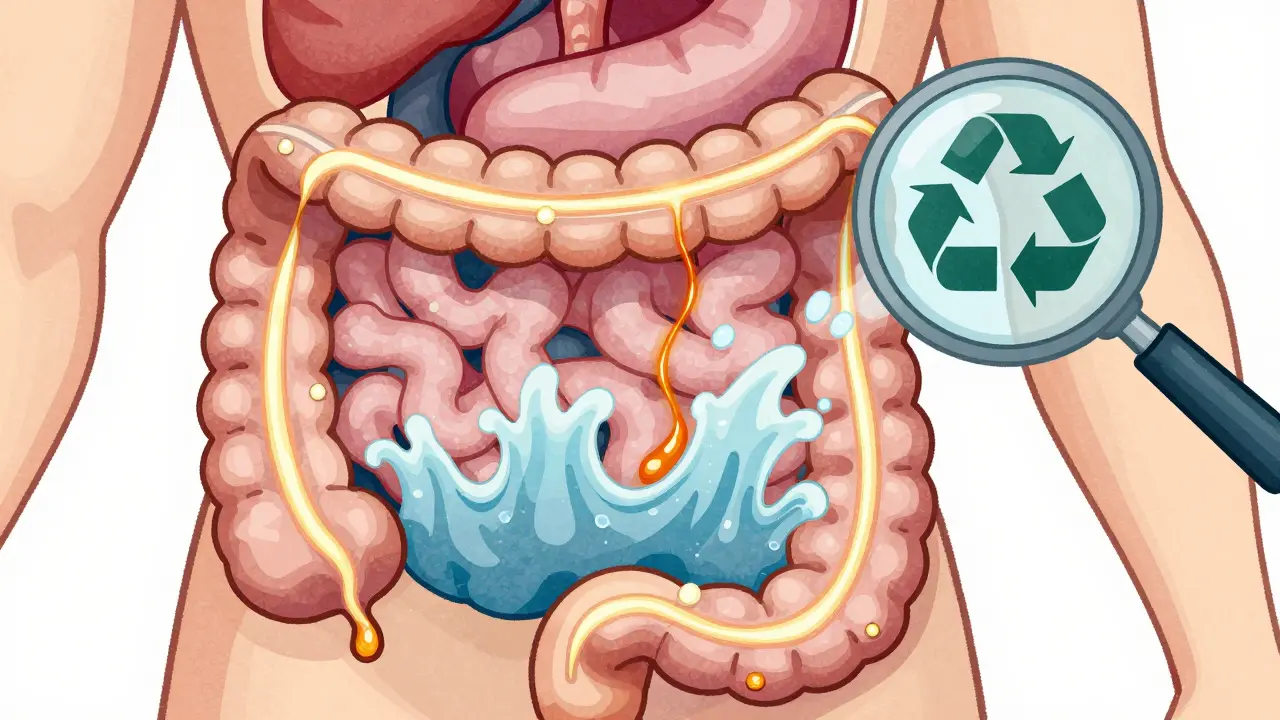
Bile acid diarrhea is a common but often missed cause of chronic diarrhea. Learn how to get diagnosed, which binders work best, and simple diet changes that can stop symptoms fast.
Read More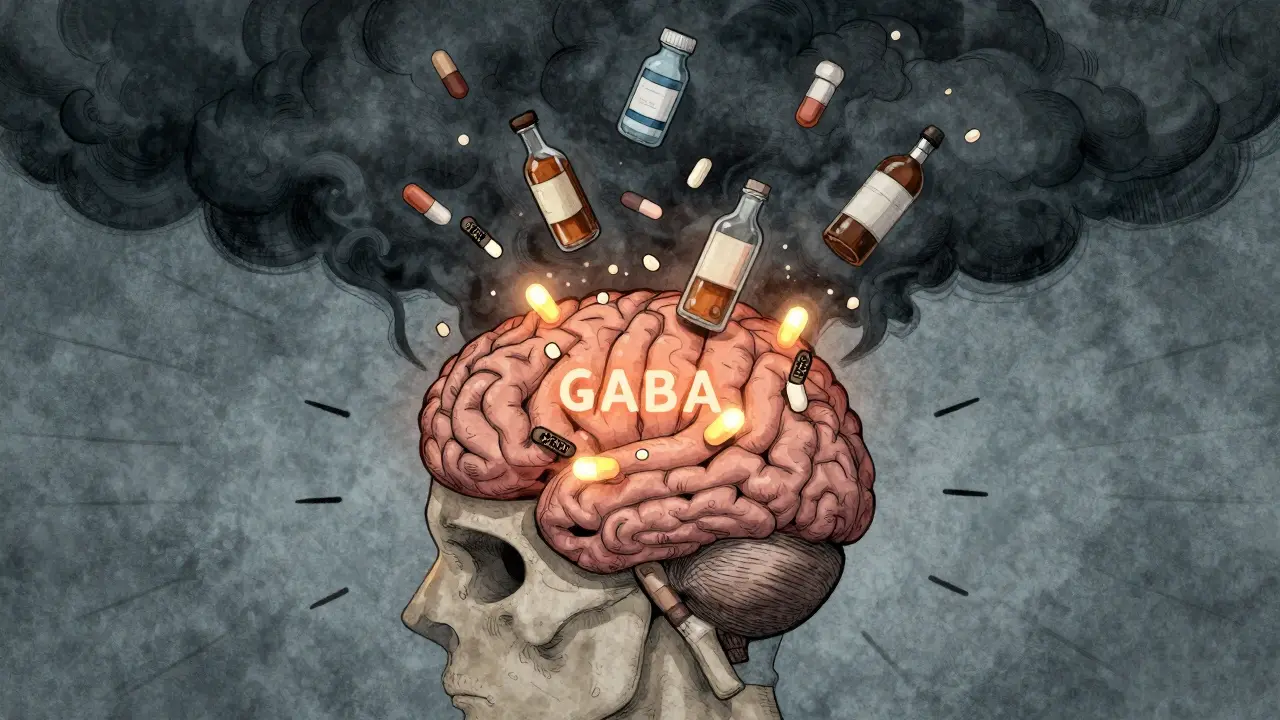
Mixing sedatives like opioids, benzodiazepines, or alcohol can cause life-threatening CNS depression. Learn the real risks, who's most vulnerable, and what to do to stay safe.
Read More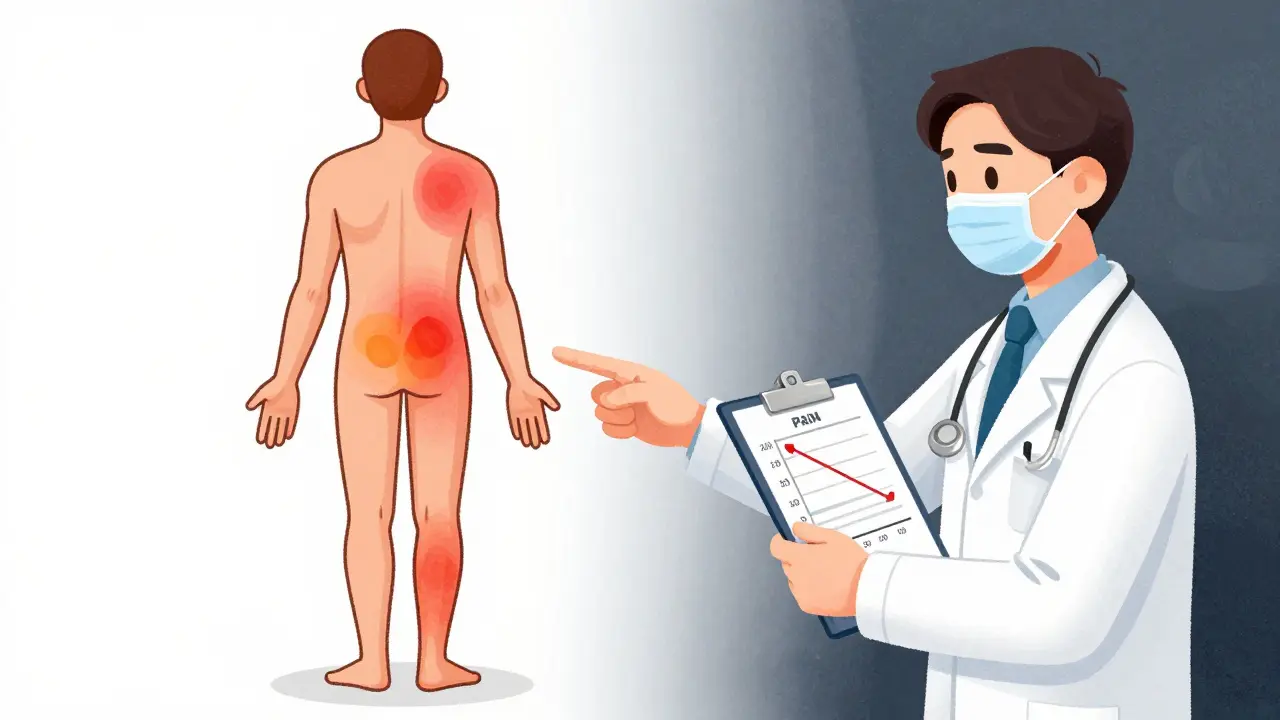
Learn how to spot opioid-induced hyperalgesia - when pain gets worse from opioids - versus tolerance. Key signs include spreading pain, allodynia, and worsening symptoms with higher doses.
Read More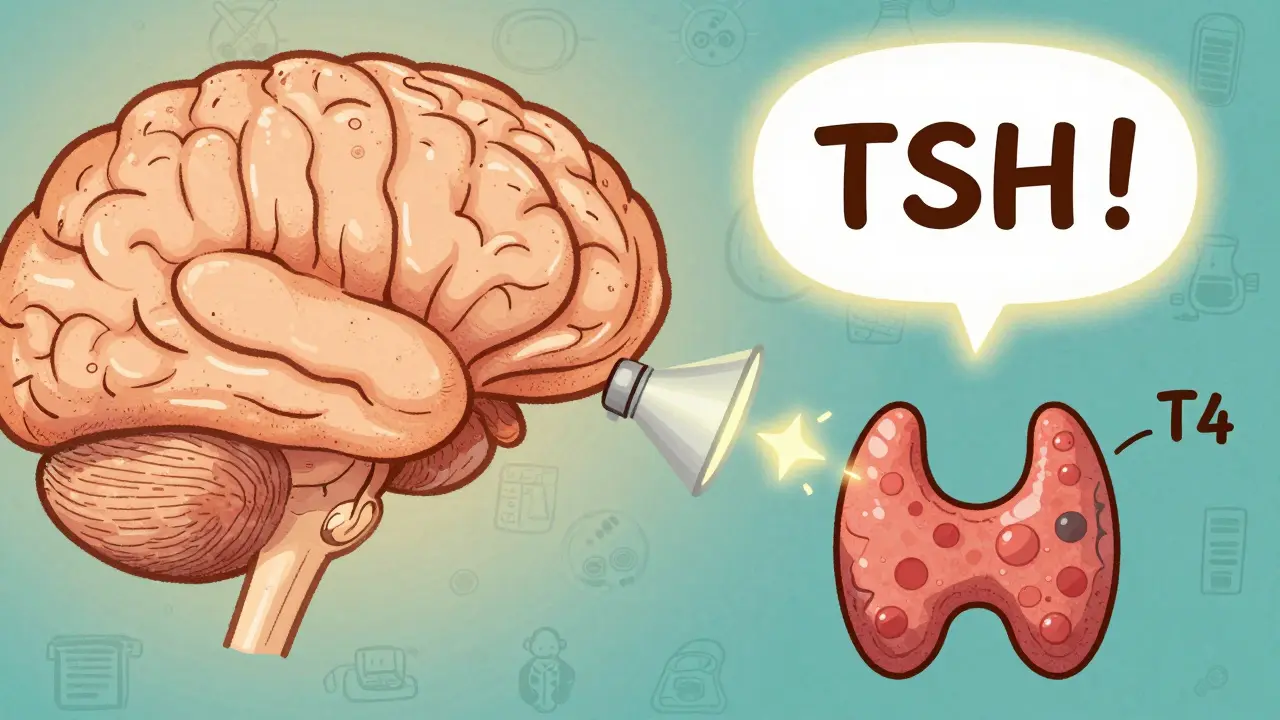
TSH and free T4 are the two key tests for thyroid function. Learn how they work together to diagnose hypothyroidism and hyperthyroidism, why relying on TSH alone can miss problems, and how dosing levothyroxine is tailored to age, pregnancy, and symptoms.
Read More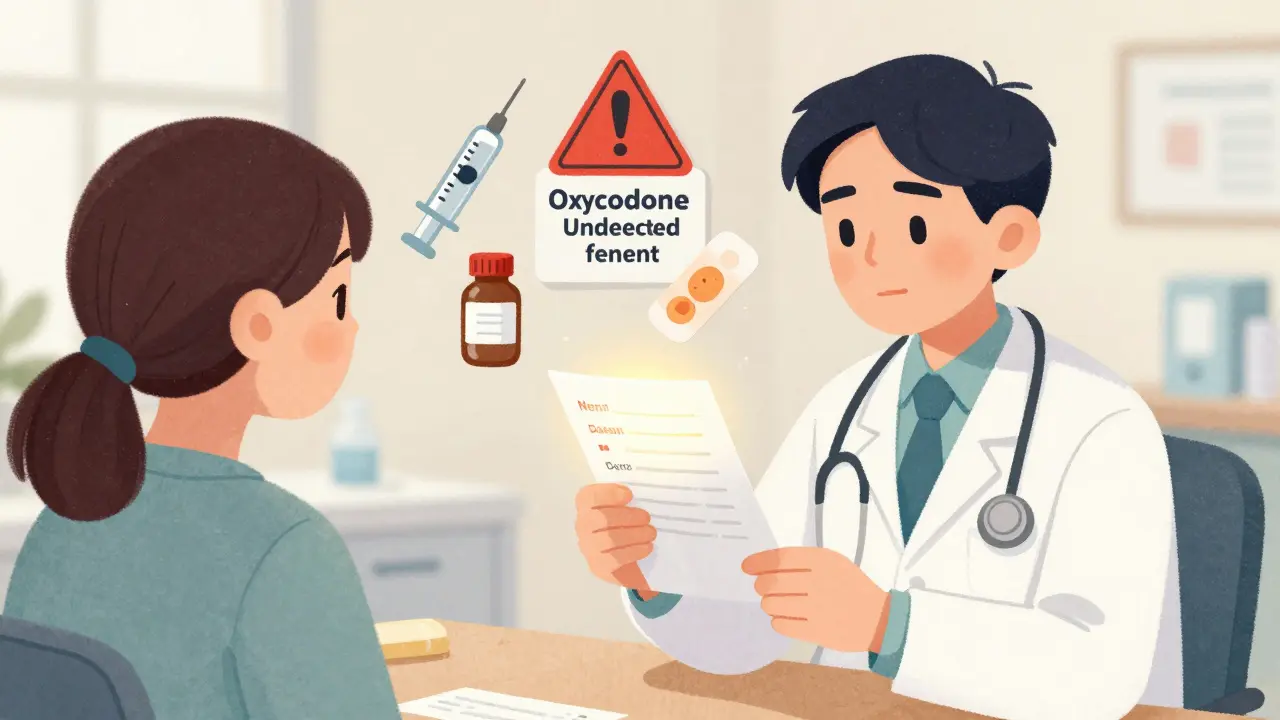
Urine drug screens and risk stratification help doctors monitor opioid treatment safely. But false negatives and outdated tests can mislead. Learn how to ensure accurate results and avoid unnecessary penalties.
Read More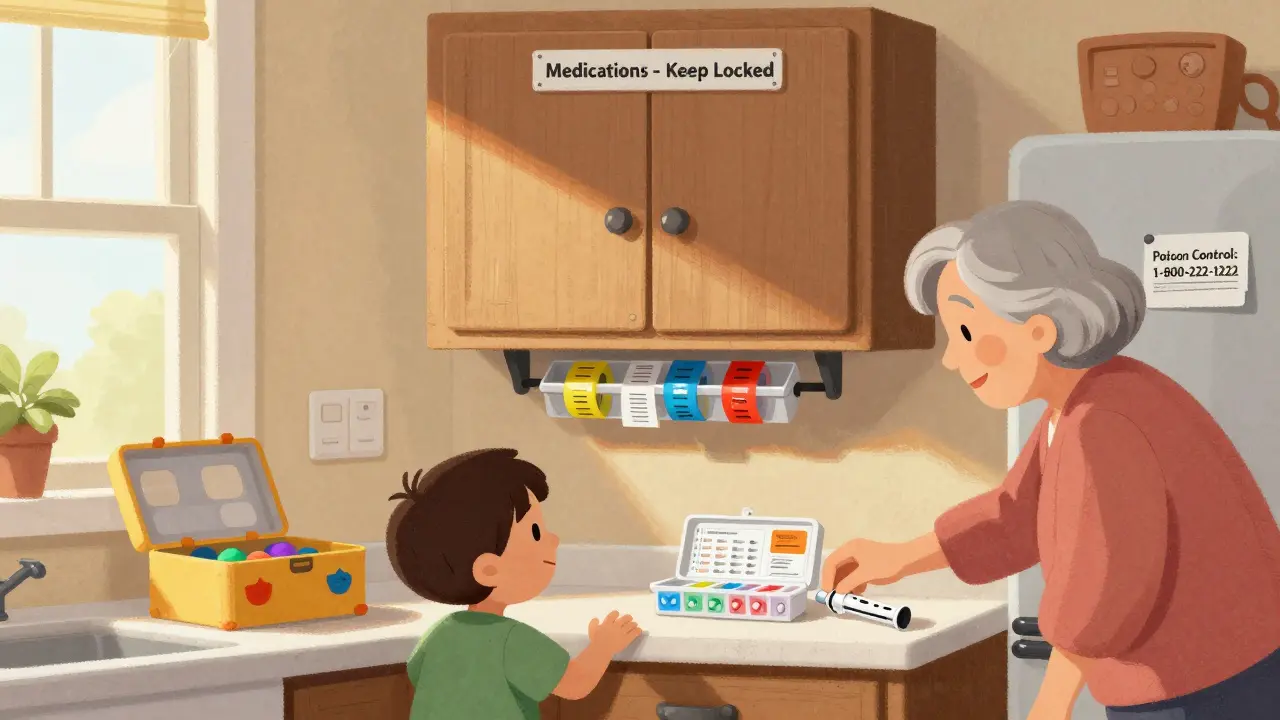
Learn how to create a safe medication routine at home to prevent accidental poisonings and dosing errors. Simple steps like locking up meds, using pill organizers, and keeping a master list can protect your whole family.
Read More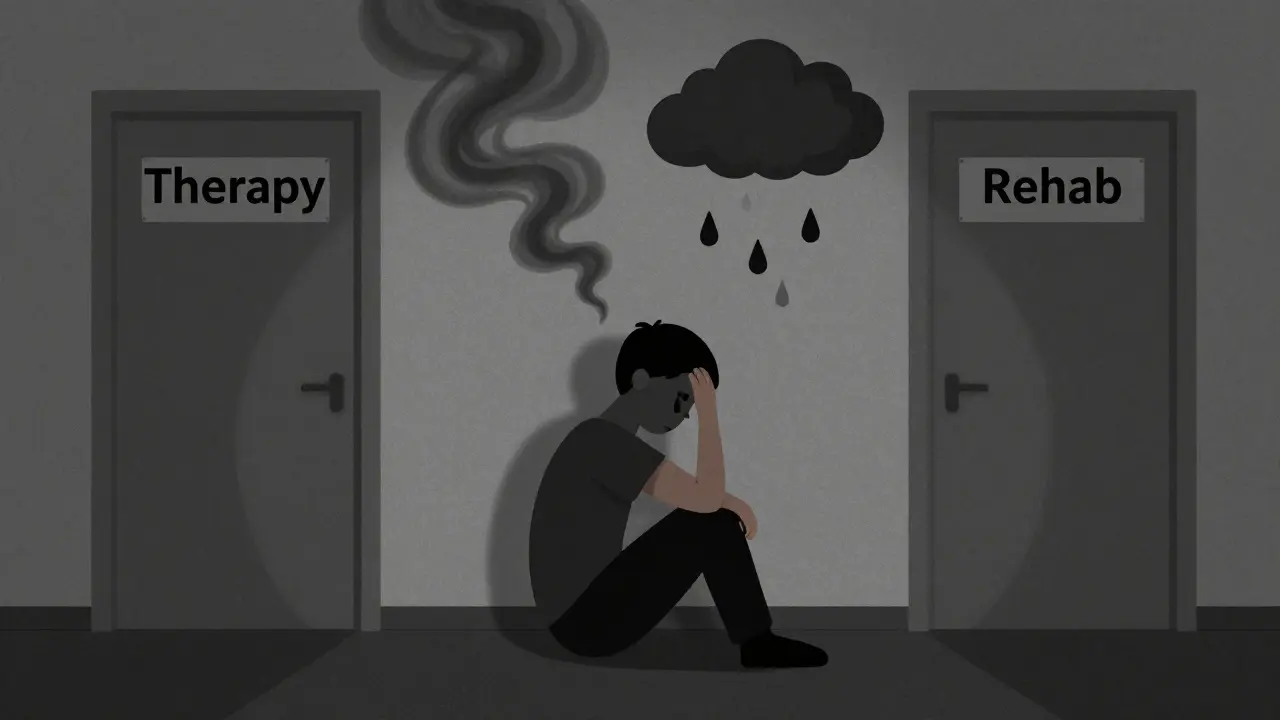
Integrated dual diagnosis care treats mental illness and substance use together, not separately. Learn how this evidence-based approach helps millions recover by addressing both conditions with one team, one plan, and one path forward.
Read More